OpenAI CEO Sam Altman testified Tuesday that Elon Musk wants "total control" of the ChatGPT developer and has even said he would pass the artificial intelligence startup to his children after his death. During his high-profile legal battle with Musk, Altman recalled to a jury a "chilling moment" from nearly a decade ago. At the time, Musk was still helping to manage OpenAI and demanded "full control."
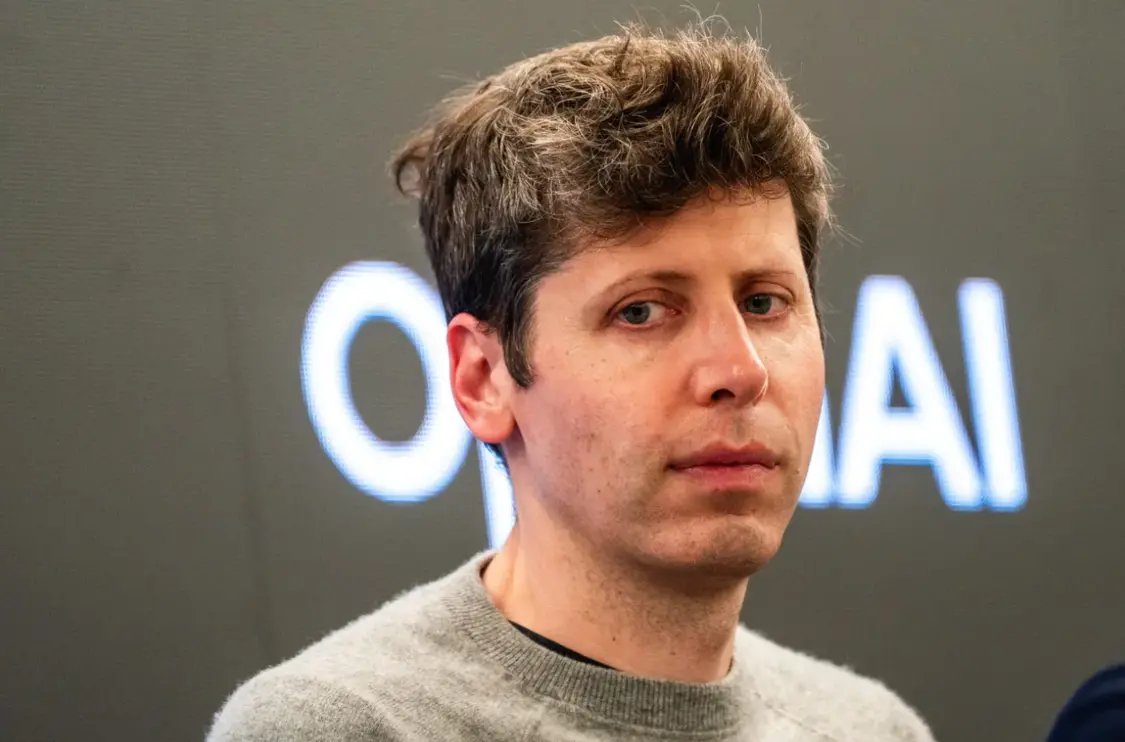
Altman testified that as OpenAI's co-founders discussed Musk's request for a controlling stake, Musk was asked, "What happens when you die if you have control?"
According to Altman, Musk responded: "I haven't really thought about it, but, you know, maybe it should be, control should be passed down to my kids."
Altman told the nine-person jury that he was "disturbed" by that plan.
The CEO's description of Musk's thoughts on inheritance comes as the Musk v. Altman case enters its third week in federal court in Oakland, California.
Musk has taken OpenAI and Microsoft to court, hoping to prove that their cooperation betrays the artificial intelligence company's original intention of being a non-profit. During Tuesday's court hearing, Altman, one of the defendants in the case, blasted Musk for his eager pursuit of profit and power.
Altman told the jury that Musk "firmly believed that if we were going to form a for-profit company, he had to have complete control from the beginning."
Altman said: "This is because he believes that only he can make those forward-looking key decisions." He also added that he learned from Musk himself and his former chief of staff that the Tesla CEO has made up his mind to only devote himself to companies that he can fully control for the rest of his career.
Altman said he opposed having one person control OpenAI.
Altman said: "Part of the reason we founded OpenAI is that we believe that general artificial intelligence should not be controlled by any one person, no matter how well-intentioned the original intention."
He told the jury that Musk had said he would "give up control in the future," but Altman didn't believe it.
Altman said in his testimony: "I have a lot of experience in the field of start-ups. I have seen many battles for control, and I understand one thing from it - especially when a company is developing well, the founder or the person in power usually does not give up control. They can hold on to this power forever."
Altman said that Musk's SpaceX is a typical example of this type of "technology company controlled by the founder."
When asked about Musk's desire to merge OpenAI into Tesla, Altman dismissed it. He said: "Tesla is a car company and it does not have the mission vision of OpenAI."
This civil lawsuit centered on OpenAI, which the two co-founded in 2015, and Altman’s testimony became a key node in the trial.
Musk was the first witness to testify last month, accusing Altman and other OpenAI executives of stealing from the "non-profit public welfare institution" they co-founded.
"Essentially, they're trying to steal a charity, and we're trying to stop them," Musk told the jury.
On Tuesday, when Musk's lawyer asked Altman directly, "Did you steal this charity?" Altman immediately retorted: "I really can't understand this statement."
Musk, who left the company in 2018, claims he poured tens of millions of dollars into OpenAI to support its founding mission as a nonprofit dedicated to developing artificial intelligence for the public good, but that mission was later partially abandoned due to the company's partnership with Microsoft, also a defendant in his lawsuit.
The outcome of this trial, which has entered its third week, may reshape the field of artificial intelligence. If Musk wins the case, OpenAI and its backer Microsoft will face huge compensation.
Altman's testimony comes after numerous tech giants — including OpenAI president and co-founder Greg Brockman and Microsoft CEO Satya Nadella — previously testified before an Oakland jury.
Before jury selection in the case, OpenAI issued a statement on the X platform, saying that Musk's lawsuit "has always been a baseless and jealous action aimed at suppressing competitors."