New research from Norwegian scientists shows that warm seawater traps hidden under Antarctica's ice shelves are melting the continent's ice at a much faster rate than expected, a discovery that could rewrite prediction models for global sea level rise. Research points out that relatively warm water is significantly accelerating the melting process from the bottom of ice shelves, making global sea level rise much faster than previously estimated by the scientific community.
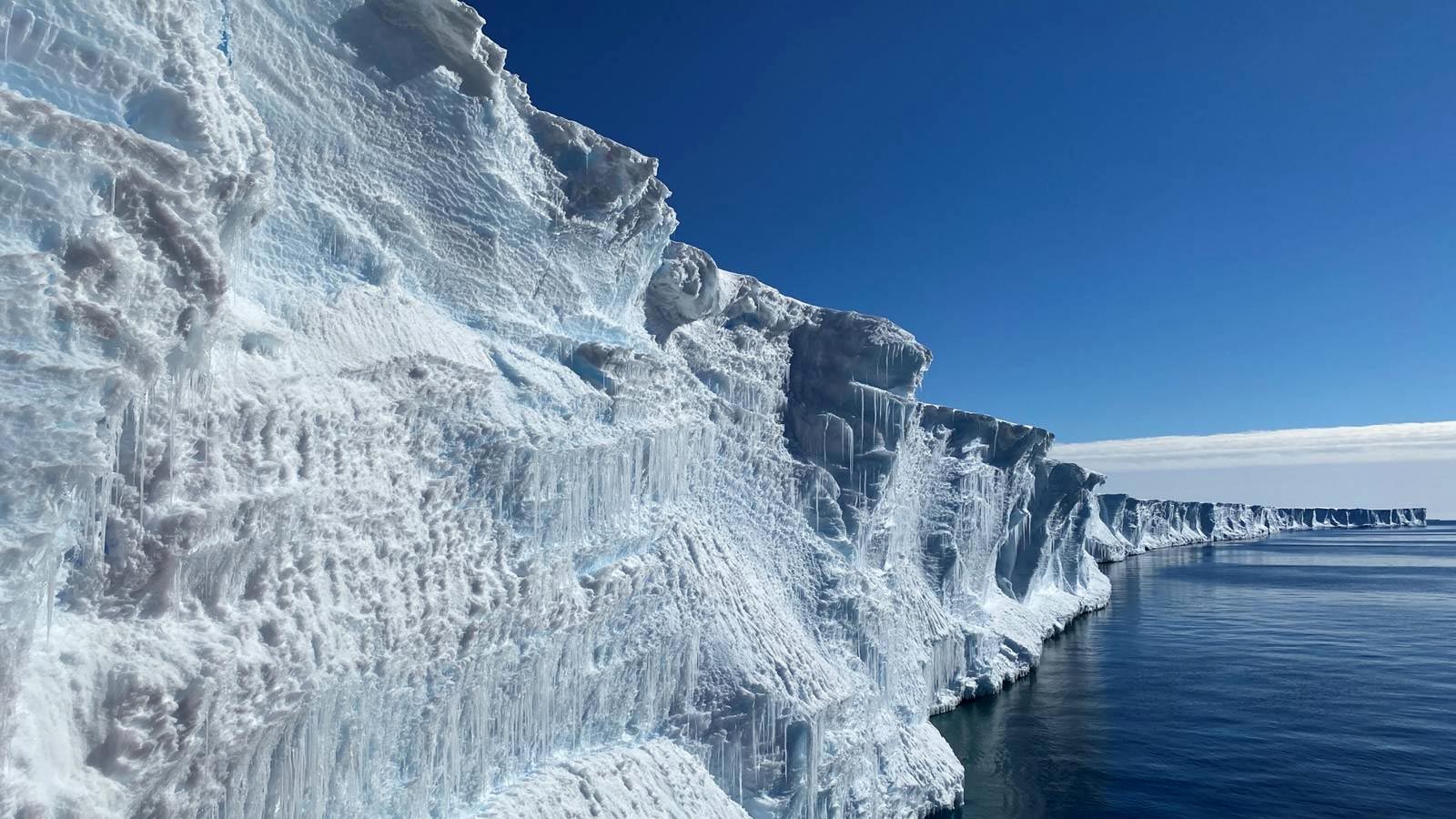
Ice shelves are huge floating ice structures that extend from glaciers into the sea and play a key barrier role in slowing down the flow of large amounts of land ice into the ocean. A research team based in Norway found that long channel structures at the bottom of ice shelves can form warm seawater traps and significantly increase the melting intensity in specific areas. Once these ice shelves become thinner and less stable, the glaciers behind them will flow into the ocean more rapidly, significantly accelerating global sea level rise beyond most current projections.
The United Nations Intergovernmental Panel on Climate Change has identified unstable polar ice shelves as a major climate threat, but the process remains difficult to fully understand and model. The research team focused on the Finbrisson Ice Shelf in East Antarctica and conducted an in-depth analysis of the underwater melting mechanism. The results show that the shape of the bottom of the ice shelf has an important impact on the circulation of seawater below it. When there is a channel structure at the bottom, the water flow will form a small circulation system, allowing warm water to stay on the surface of the ice layer instead of flowing away. This continuous heat accumulation greatly intensifies the melting process.
The researchers found that the melting rate within these channels can be increased locally by about an order of magnitude. "We found that the shape of the ice shelf's base is not just a passive feature, it actively traps ocean heat in locations most critical for melting impacts," explains study lead author Torey Hartmann from the iC3 Center for Polar Research in Tromsø, Norway. "The Finbrisson Ice Shelf is located in East Antarctica, a region generally considered colder and less susceptible to impacts than other parts of the Antarctic continent.
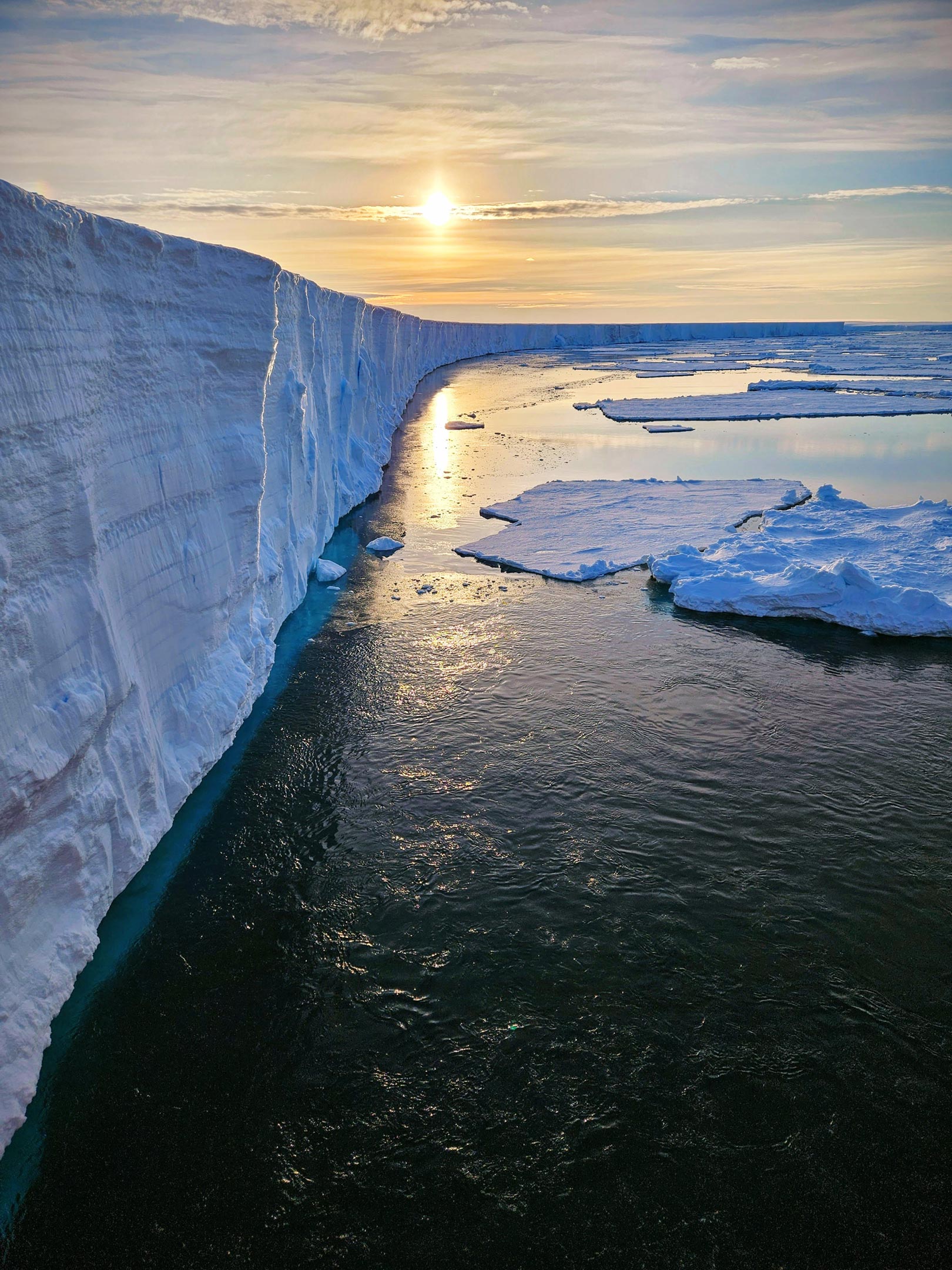
"We observed under the Finbrisson Ice Shelf that even small amounts of warm water can significantly increase melting within the channels. The result is that the channels can expand and, in the worst case, weaken the stability of the entire ice shelf," said Hartmann. "Shockingly, when channels exist at the base of the ice shelf, even modest inflows of warm deep water can have a huge impact," added Qin Zhou, co-first author of the study. "This means that what some scientists generally believe is a colder ice shelf may be more fragile than expected."
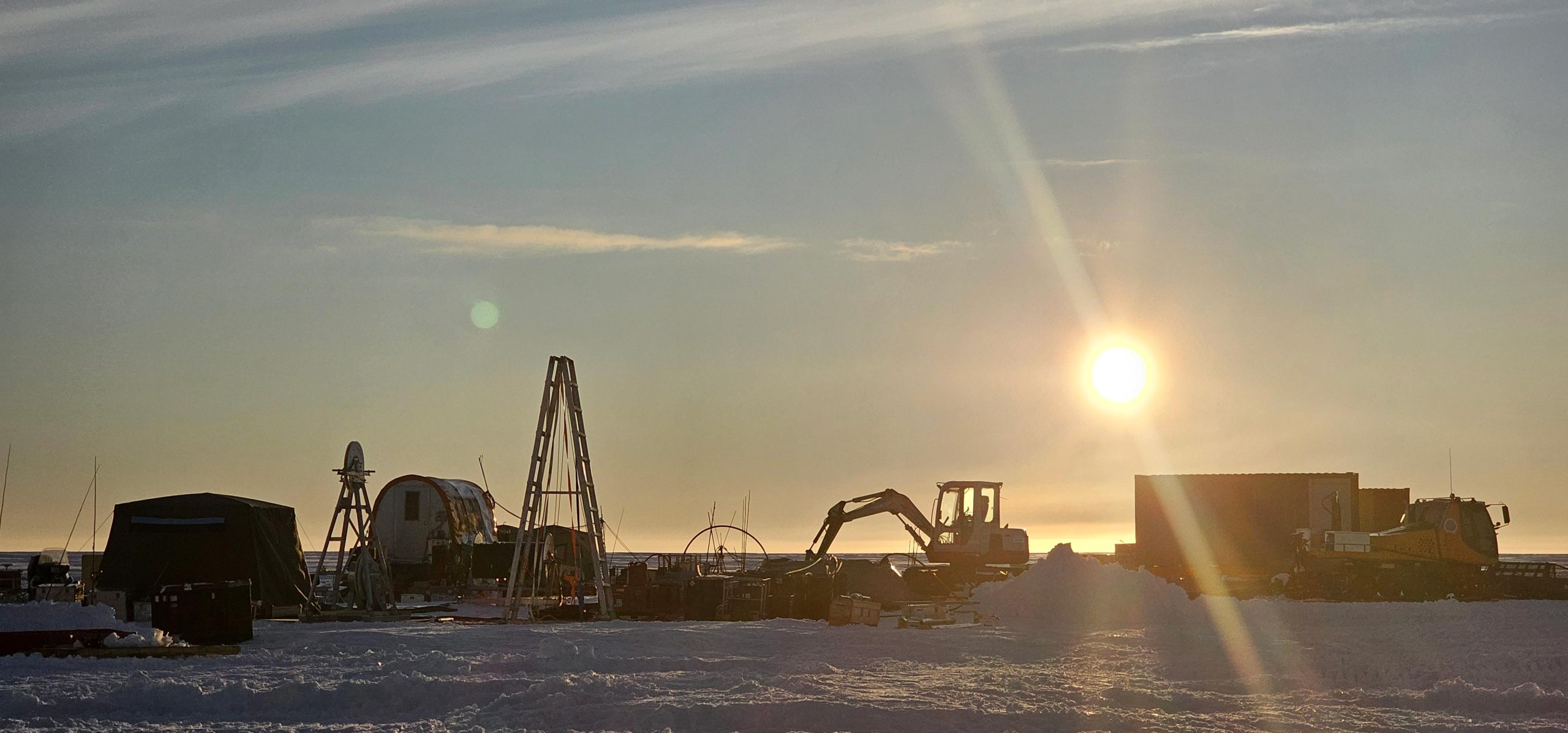
To study this phenomenon, the researchers combined detailed maps of the bottom of the Finbrisson Ice Shelf with high-resolution computer models of the ocean cavity beneath it. The team compared using a smooth ice shelf underside to a simulated version that included real channels under colder and slightly warmer ocean conditions, an approach that allowed them to isolate how the channels affected water circulation, mixing and melting. The work also integrates earlier field observations in the region. Researchers say combining long-term measurements with advanced modeling is critical to understanding the small-scale features hidden beneath Antarctic ice shelves. Hartmann himself has spent hundreds of days conducting fieldwork on the Antarctic ice shelves.
Scientists warn that stronger melting in the channel could trigger dangerous cycles. As the channel deepens and widens, uneven thinning may occur in parts of the ice shelf, weakening the overall structure of the ice shelf. Fragile ice shelves are unable to effectively slow the flow of glaciers behind them, potentially causing more land ice to flow into the ocean. "Current climate models fail to capture this effect," Hartmann warns. "This means they may underestimate the sensitivity of 'cold' ice shelves along the East Antarctic coastline to small changes or warming in coastal seawater. Such changes are already observed and are expected to intensify in the future."
The discovery could have major implications for climate science and coastal planning. Ice sheet and climate models need to better account for these small-scale melting processes to improve future sea level predictions, the researchers say. Changes in meltwater flows may also affect ocean circulation and marine ecosystems around Antarctica. The research paper, "Channeled topography amplifies melt susceptibility of cold Antarctic ice shelves," has been published in the journal Nature Communications. The research was co-led by Tore Hartmann from iC3 Polar Research Center and Qin Zhou from Akvaplan-niva. Both scientists are based in Tromso, the Arctic capital of Norway.