Microsoft plans to launch a new 13-inch Surface laptop later this year, equipped with the same level of 8GB of memory as Apple's MacBook Neo, but priced at a whopping $1,299, which has been criticized as selling the same amount of memory at twice the price of the MacBook Neo.
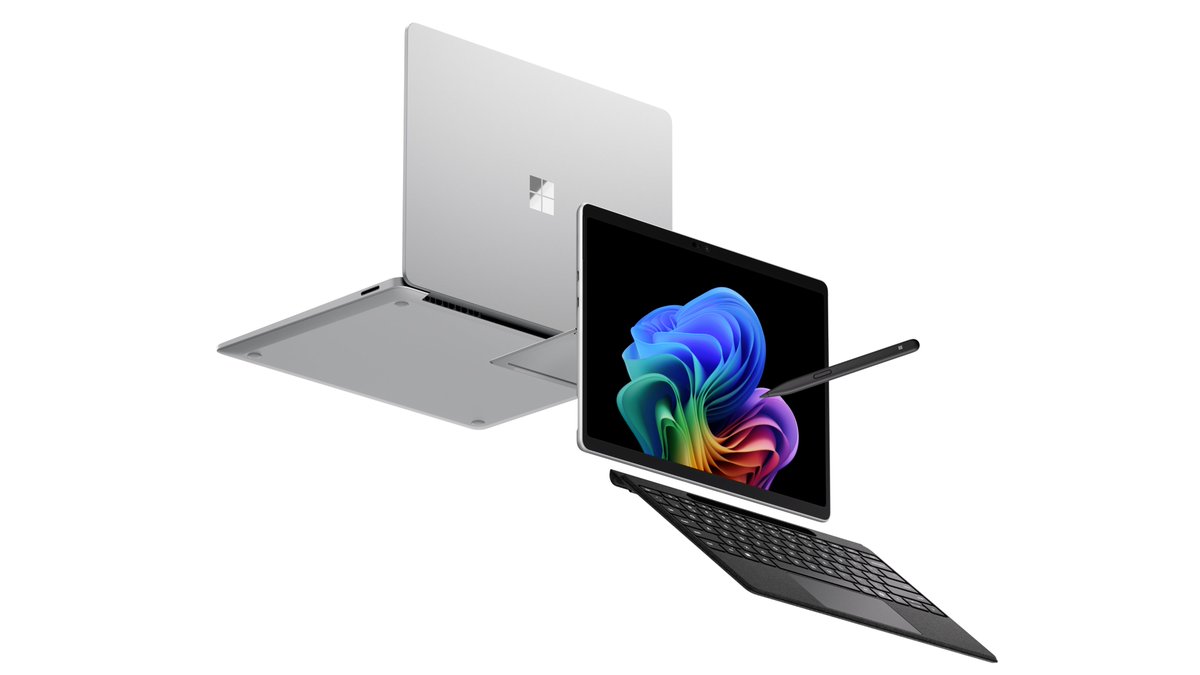
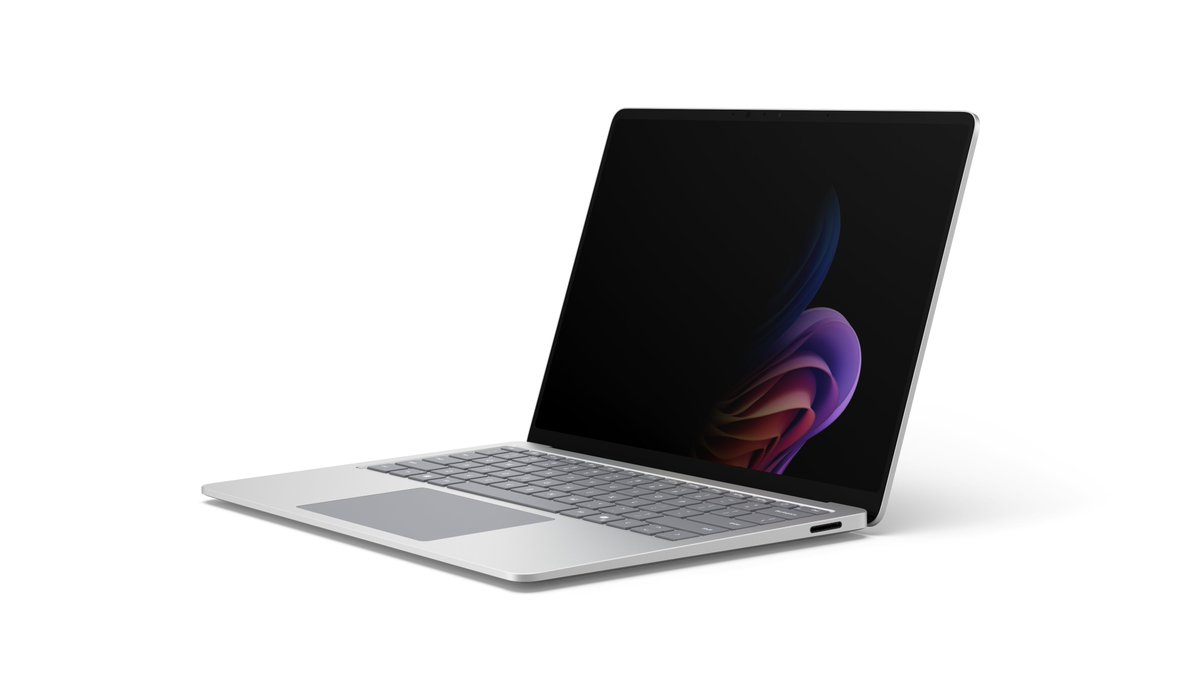
Microsoft has recently released updated versions of a number of Surface products, including the 13-inch Surface Pro, 13-inch Surface Laptop, 13.8-inch Surface Laptop and 15-inch Surface Laptop, powered by Intel Core Ultra Series 3 and Qualcomm Snapdragon X2 processors. Some models have upgraded display pixel density, are equipped with new touchpads that support Windows 11 tactile feedback, and have added privacy anti-peep screen functions similar to Samsung Galaxy S26 Ultra. The overall positioning is biased towards the high-end business market.
However, for the 13-inch Surface Laptop, its price/performance ratio is considered to be significantly declining. The latest version mainly upgrades the Intel processor and uses an anti-reflective screen in terms of configuration, but the price reaches $1,499. For comparison, the 13-inch MacBook Air equipped with the M5 chip starts at $1,099, which creates a strong contrast in the combination of price and configuration.
More controversially, Microsoft also plans to launch another 13-inch Surface laptop within the year, equipped with 8GB of memory and priced at $1,299. The report emphasized that this memory specification is the same as Apple's MacBook Neo, but the expected price is twice that of Neo, triggering strong doubts about Microsoft's pricing strategy. Commentators believe that Microsoft seems to have ignored the current market's sensitivity to the balance between price and performance, and has also underestimated the disadvantages that Windows systems still have in terms of resource utilization efficiency compared to macOS.
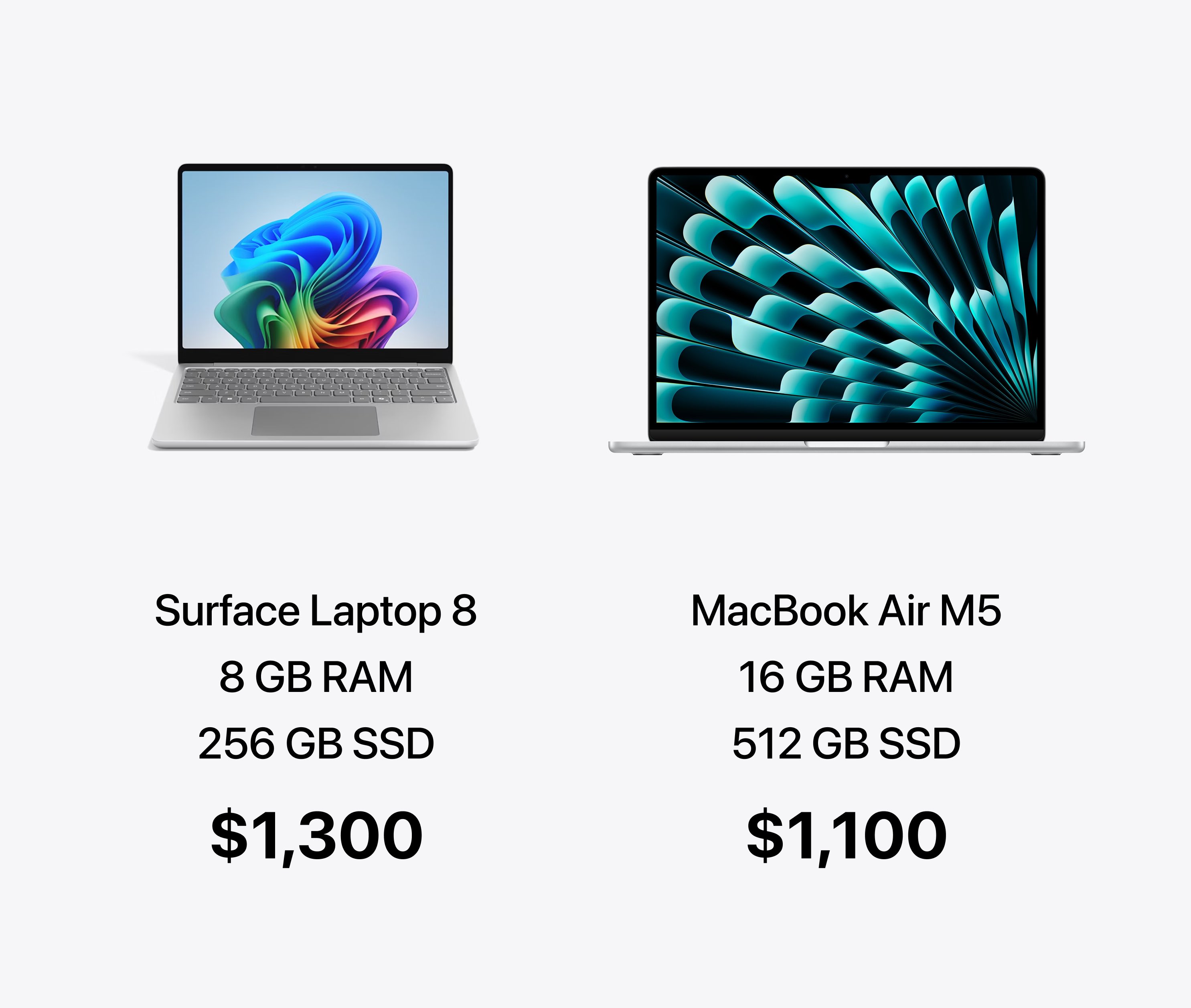
Technology blogger Vadim Yuryev, who has long been paying attention to the PC and Mac markets, posted on social platforms that he has been evaluating Apple and Windows laptops for ten years and has never seen Apple provide users with twice the memory and storage of the Windows camp at the same price, or even $200 cheaper. Now this "abnormal" situation is emerging. This view further amplifies the contrast between Microsoft's high-price strategy and Apple's pricing advantage.
Another analysis pointed out that in this round of product updates, although some Surface models have had bright upgrades in terms of screen, privacy protection and touch experience, the overall price system is moving closer to the high-end. In the competition with Apple MacBook, especially MacBook Neo, Microsoft has clearly lost ground in the "cost-effectiveness" dimension. The article describes Microsoft's current pricing attitude as "it seems to have given up even pretending to compete with Apple on price" and calls it an "almost delusional pricing approach."
The report concluded by commenting that while Apple continues to strengthen MacBook performance and price advantages through self-developed chips and product integration, if Microsoft continues to follow the path of high-priced, low-memory basic configurations, it may further weaken the appeal of the Surface series among consumers. For users who rely on the Windows ecosystem, how to make a trade-off between price, performance and system optimization may become the core issue in purchasing decisions in the future.