Nvidia recently released its first quarter financial report for fiscal year 2027, with revenue hitting a new high of US$81.615 billion, a year-on-year increase of 85%. Among them, the data center business contributed US$75.246 billion in revenue, a year-on-year increase of 92%, and continues to be the company's core growth engine; the edge computing business revenue reached US$6.369 billion, a year-on-year increase of 29%.
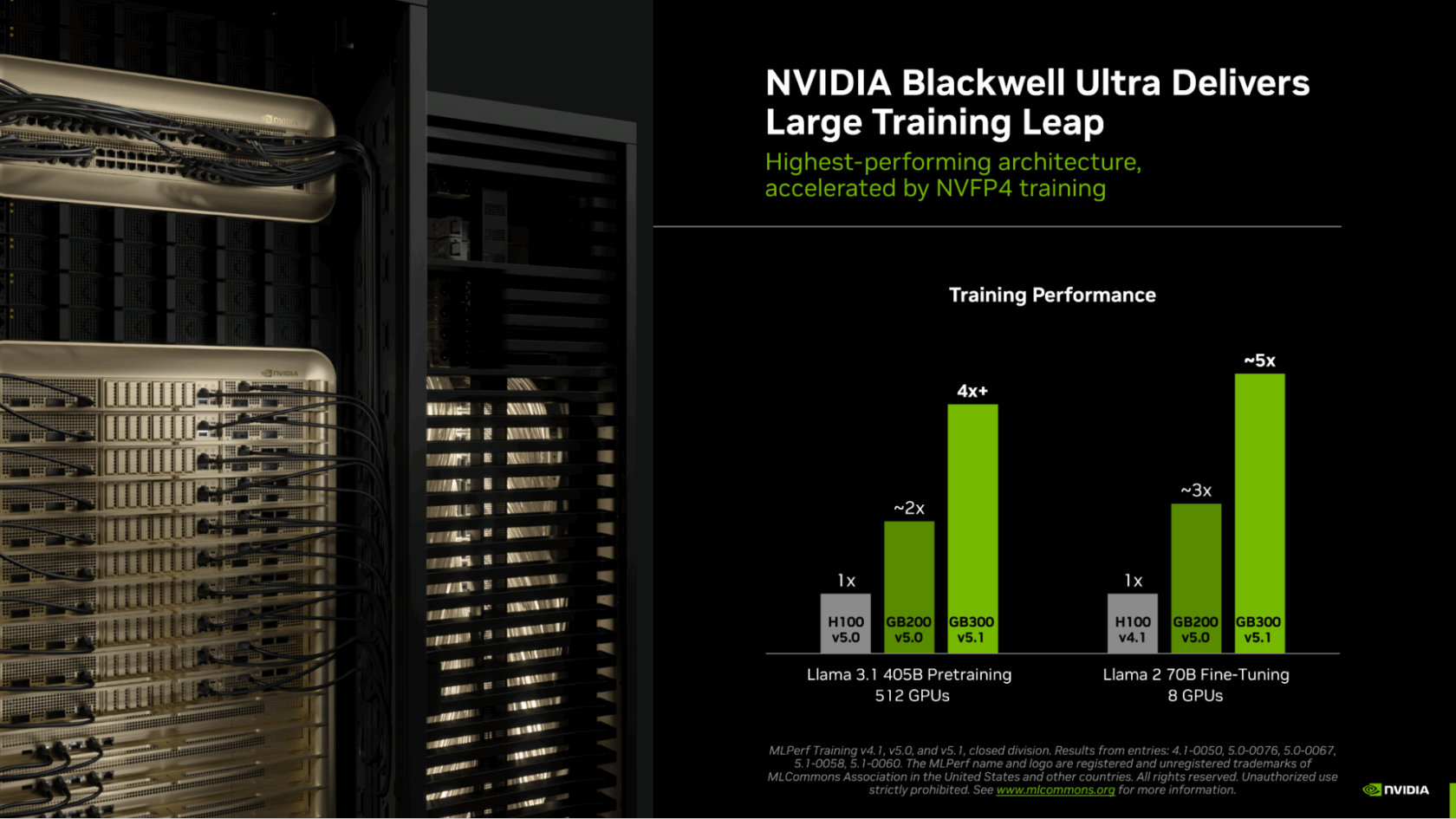
During the earnings call, Nvidia highlighted the strong demand for Blackwell GB300 and NVL72 systems, saying they are "full of momentum" among cutting-edge large models and ultra-large-scale cloud vendors. At present, "hundreds of thousands" of Blackwell GPUs have been deployed worldwide, and the number of data centers with power exceeding 10 megawatts has almost doubled in one year to more than 80 sites, making it one of the fastest ramping products in the company's history.
With the shortage of AI computing power, there has also been a "price increase" for older generation GPUs. NVIDIA management pointed out that a phenomenon known as the "wine effect" is taking place: Hopper architecture H100 rental prices have increased by about 20% this year, and A100 cloud prices based on Ampere architecture have also increased by nearly 15% compared with the same period last year. Amid high demand for computing power, cloud service providers are further opening up their older-generation hardware resources to AI companies to meet continued demands for training and inference.
However, although Blackwell, Hopper and Ampere are still hot, the market attention has begun to turn to the next generation Vera Rubin platform. The platform is part of NVIDIA's so-called "extreme collaborative design" ecosystem, covering a variety of chips and software solutions, and is positioned as a one-stop infrastructure platform for "Agentic AI factories." Officially confirmed that Vera Rubin has entered the mass production stage, and is expected to begin shipping the first batch to customers in the third quarter of 2026, enter the large-volume stage in the fourth quarter, and continue to expand the delivery scale in the first half of 2027.
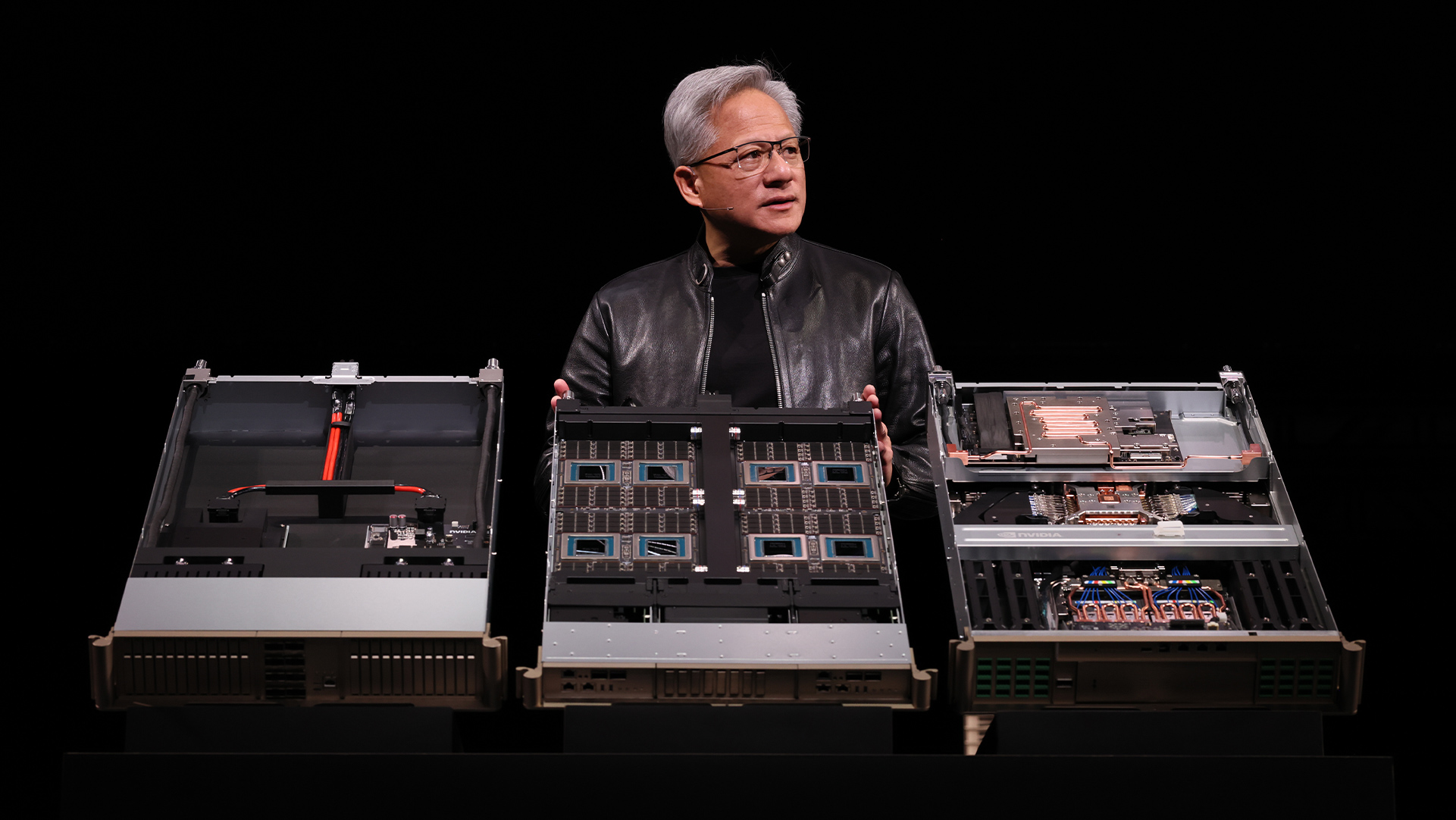
Nvidia CEO Jensen Huang said that the company’s “one generation per year” product rhythm is still advancing at a high speed and is “almost unmatched by anyone.” After Vera Rubin, Nvidia also plans to launch Rubin Ultra in 2027 and Feynman in 2028, once again lengthening the AI infrastructure product roadmap. At the same time, NVIDIA is also mass-producing Vera CPUs and deploying them into complete cabinet solutions as planned. The first batch of Vera CPUs has been delivered to early customers such as OpenAI, SpaceXAi, Oracle and Anthropic for use in new-generation Agentic AI scenarios.
In terms of business structure, inference has become Nvidia’s fastest growing segment. Huang said that the company's share of the inference market is "rapidly increasing" and said that Vera Rubin will achieve "greater success" than Grace Blackwell. In his view, almost all cutting-edge large model companies will adopt Vera Rubin at the first opportunity, which has not fully appeared in the previous Blackwell generation, thus laying the market expectation for the new platform to "start at a high point".
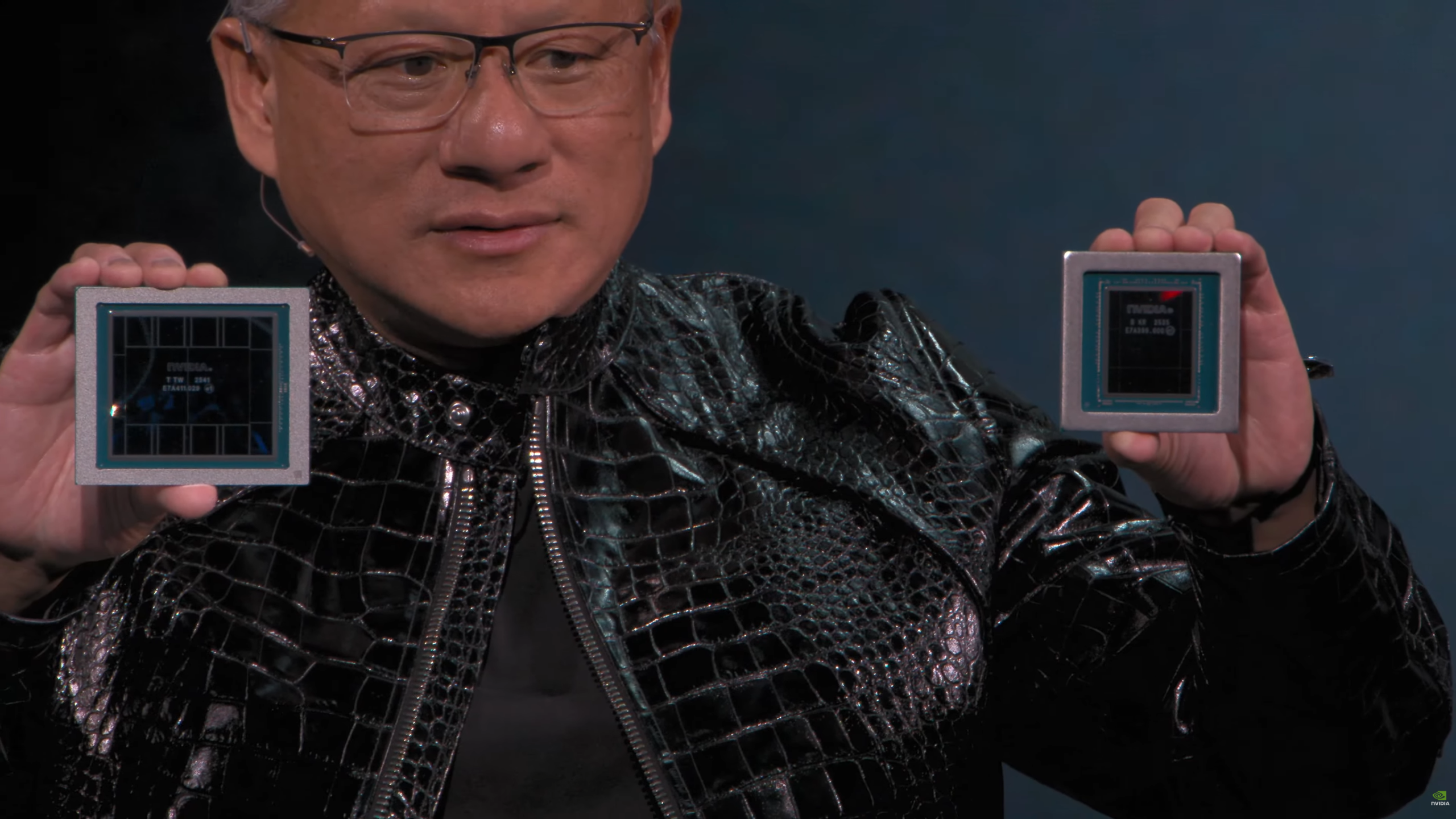
Taken together, NVIDIA is making progress on multiple fronts: on the one hand, the Blackwell platform has driven data center revenue to record highs, while pushing up the prices of old cards such as Hopper and Ampere; on the other hand, the Vera Rubin platform will be the first to be launched in the third quarter of 2026, and will enter an accelerated phase from the fourth quarter of 2026 to the first half of 2027, providing core computing infrastructure for the upcoming wave of Agentic AI factories. As the competition for AI infrastructure continues to heat up, NVIDIA continues to consolidate its dominant position in the global AI computing power market through rapid product iteration and complete ecological layout.