According to Bloomberg, as the co-founder and CEO of the popular AI company Anthropic, Dario Amodei has huge influence, but he has only one direct report.
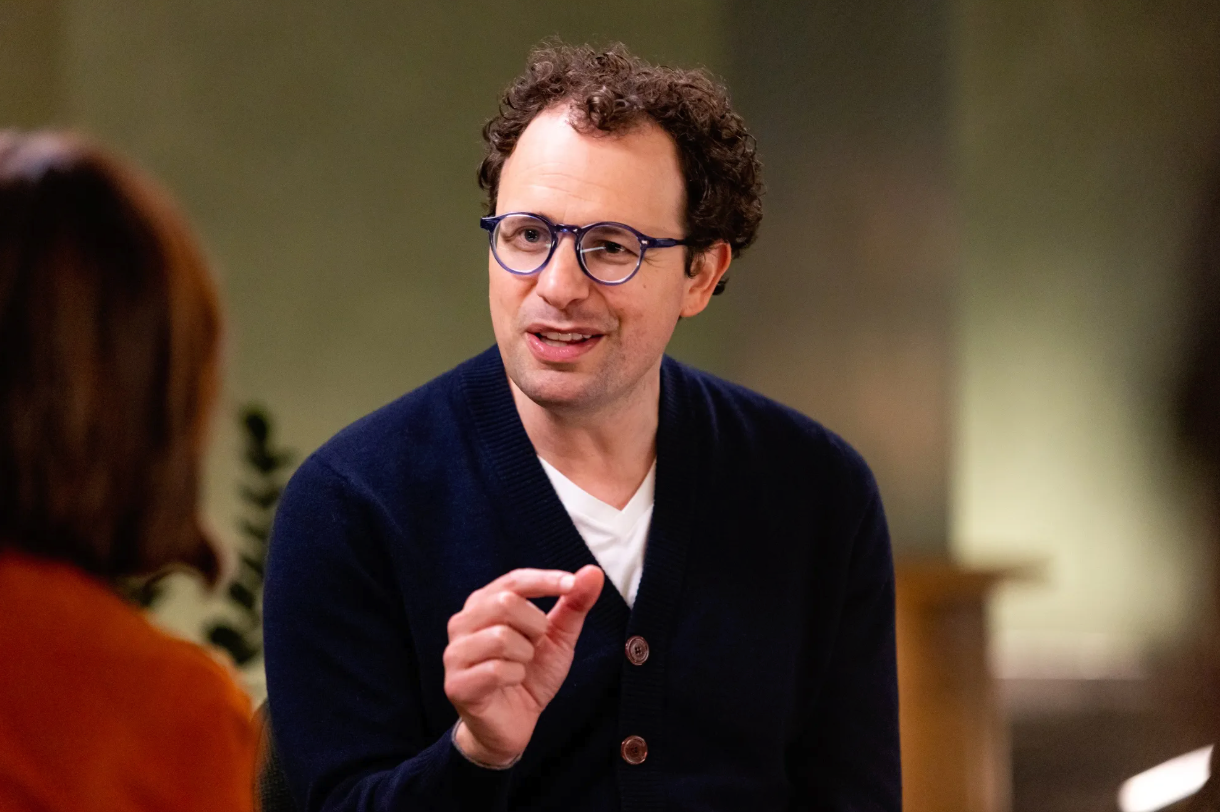
Anthropic CEO Amodei
This is rare in the technology industry. Right now, many technology company leaders are reducing layers of management and expanding the scope of direct management. For example, OpenAI CEO Sam Altman has about six direct reports. Nvidia CEO Jensen Huang said that 60 people report to him.
Anthropic is experimenting with a different leadership model: The CEO spends almost all of his time in macro-level discussions, building organizational culture, and providing input on research direction and company strategy, rather than managing senior leadership team members.
Anthropic's executive team now reports to Dario's sister, Anthropic president Daniela Amodei. Daniela is responsible for most of the company's day-to-day operations and reports to Anthropic's Board of Directors. The only person Dalio directly manages is his chief of staff, Avital Balwit.
“It feels incredibly freeing,” Dalio told Bloomberg’s “The Circuit.” “It makes it easier than ever to do all the things I need to do.”
Big and small things cannot be dealt with at the same time
Dalio is a first-time company founder with a PhD in biophysics from Princeton University who spent his early career as a researcher in the laboratory. For him, this means often spending a lot of time thinking about AI and what it means for humanity. He does this kind of thinking in all-hands-on-deck “vision exploration” meetings. During these sessions, he provides insights on a wide variety of topics. At the same time, he will also elaborate his views through lengthy public articles.
“In many ways, it’s really a trade-off between macro and micro work. It’s hard to focus on the strategic big picture if you have a zillion little things to do tomorrow,” he said. “So it often makes a lot of sense to separate those things so you can do both.”
Dario served as vice president of research at OpenAI, the developer of ChatGPT, before leaving due to differences with the company's leadership and co-founded Anthropic in 2021. Prior to that, he served as a senior research scientist at Google. Daniela, on the other hand, has more experience dealing with people management at tech startups, whether as an early employee at Stripe or leading the security and policy team at OpenAI.
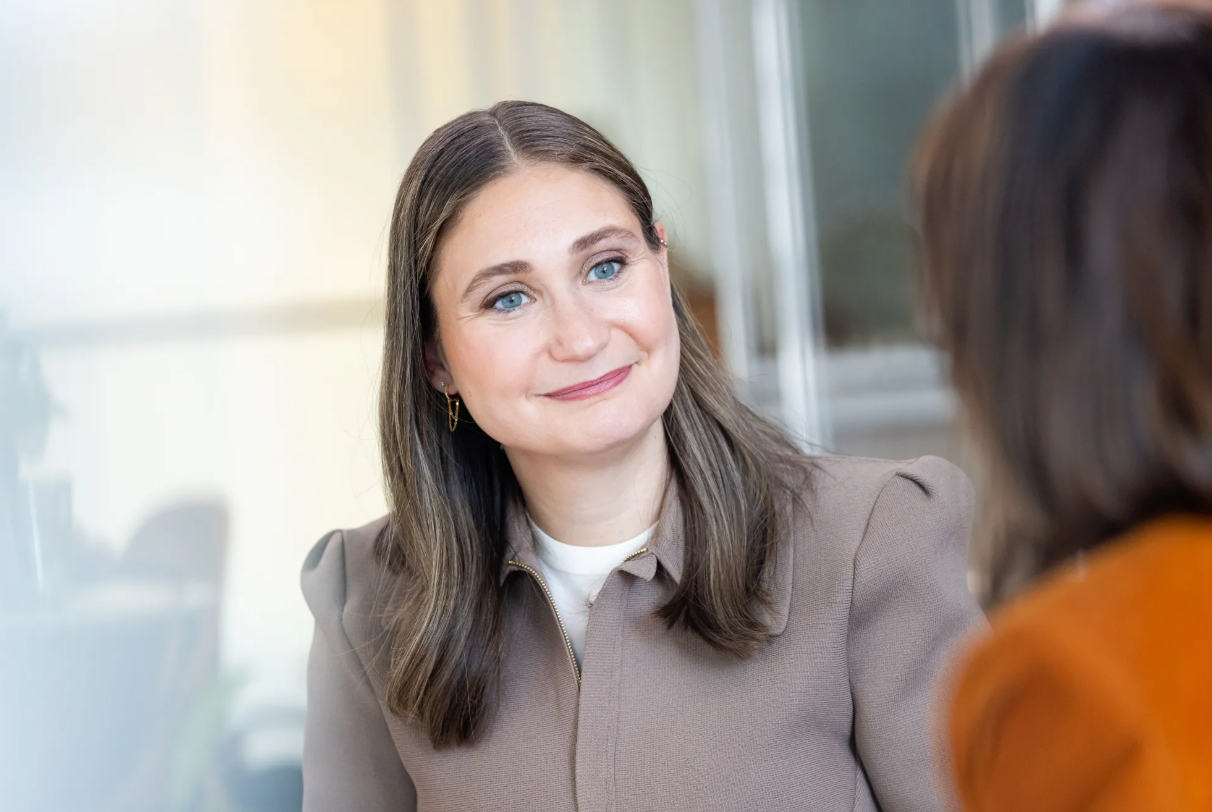
Daniela is responsible for day-to-day operations
Anthropic was valued at nearly $1 trillion in its latest funding round and is racing against time to go public before OpenAI. The company hired veteran technology executives including CFO Krishna Rao in 2024 and chief commercial officer Paul Smith in 2025 to support the company's rapid expansion. They work with all seven of Anthropic's co-founders. The Amodei siblings have publicly stated that the continued retention of these co-founders is a reflection of the startup's cohesive culture.
Focus on company culture
Dalio estimates that "probably half" of his time is spent talking to employees about "Anthropic's culture and how it works." He said maintaining company culture is probably his and Daniella's "number one priority."
"When you're scaling a company at such a rapid pace, you're bringing in a lot of employees from big tech companies. If you don't tell them how Anthropic works, they're going to automatically copy the only model they're familiar with, which is how their old company works," he said.
Raffaella Sadun, an economist and professor of business administration at Harvard Business School, points out that how many direct reports a CEO manages is not just a matter of personal preference or leadership style, but also reflects the nature of the organization's work.
She believes that if you think of an enterprise as a problem-solving machine, lower-level employees are responsible for handling routine matters, while more difficult problems and exceptions are passed up the hierarchy. This means that a CEO's span of control can be wide when other leaders in the organization are experienced and able to independently handle issues within their purview; but if a company like Anthropic continues to face a series of novel and high-stakes issues that require a higher level of judgment, the CEO's span of control may need to be narrower, with fewer people directly managing.
In either case, organizational structure must be carefully considered. "A manager's time is the scarcest resource," says Sadouin. Ideally, corporate structures should be designed with the goal of protecting this resource.