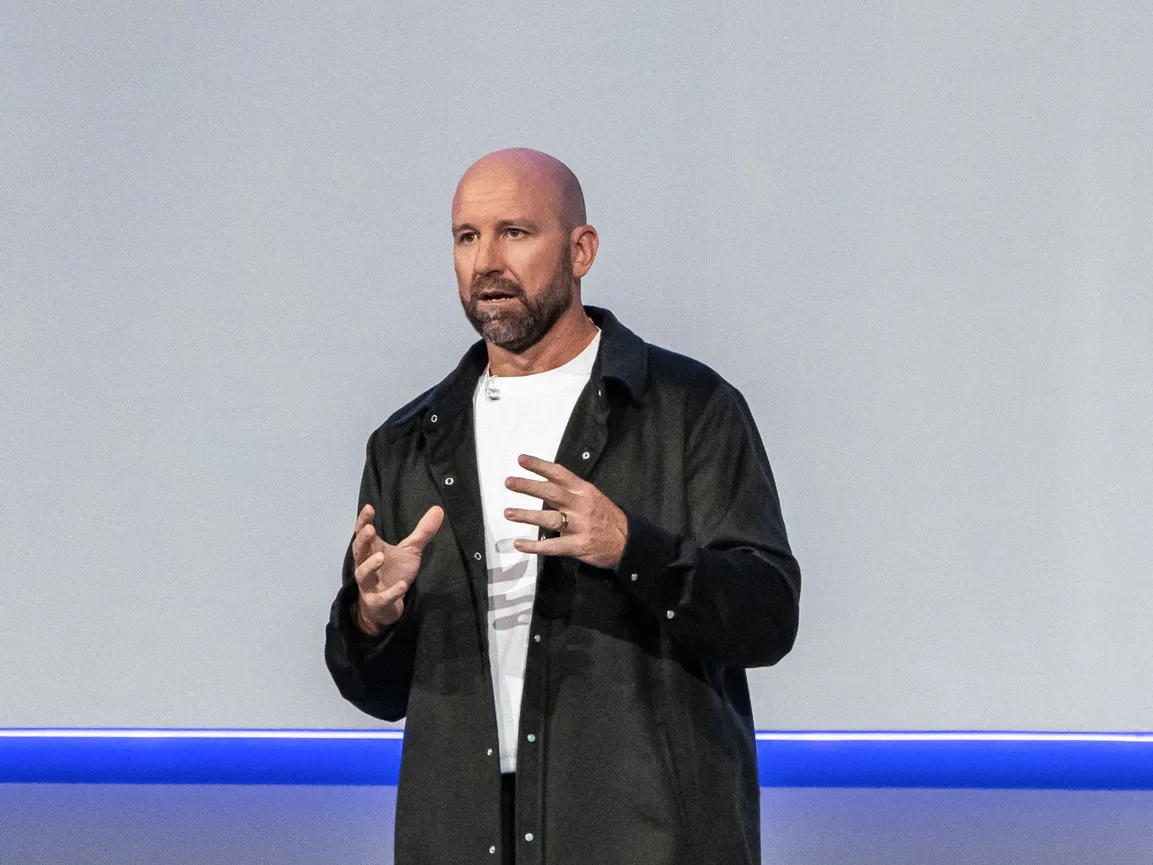
In an internal post, Meta Chief Technology Officer Andrew Bosworth admitted that the company handled the launch of its new artificial intelligence unit "atrociously" and said management would "rekindle" a more positive corporate culture by improving communication, career development support and restoring some job benefits in response to widespread employee dissatisfaction with low morale. The post was published on Monday, and the content was subsequently obtained by the media.
Previous reports quoted employee feedback saying that the Applied AI engineering department established by Meta in March this year caused strong dissatisfaction internally. About 6,500 engineers and product managers were concentrated in this new department, responsible for improving the company's generative AI models. However, many people believed that the work content was mechanical and boring, and some even compared it to a "labor camp." Bosworth admitted in an internal post that the company had ignored the perspectives and feelings of its employees while quickly adjusting its strategy.
He wrote that frequent organizational adjustments and the violent cycle of "expansion and layoffs" undermine employees' trust in the stability of the management structure, and also weaken their confidence that their professional abilities will be valued and their careers can continue to develop. He noted that this approach leaves many teams in a “unattended” position as their strategies take a sharp turn, making it difficult for employees to see the real impact of their work. Meta declined to comment on the reports.
The current unease within the Applied AI team is seen as part of the backdrop for Meta's overall decline in morale, including mass layoffs, employee monitoring measures, and other labor-related disputes that are building up employee distrust. In recent days, multiple executives, including CEO Mark Zuckerberg, have acknowledged problems in internal posts and promised changes in response to employee concerns about the work environment.
In the lengthy memo, Bosworth, who has long been considered a close confidant of Zuckerberg, said employees will receive more personalized management support in the future. He revealed that Meta planned to cap the number of direct reports per manager at about 20 and try to minimize the frequent replacement of direct reports by employees in subsequent organizational restructuring. The company's requirement is that managers should focus primarily on "management" itself, rather than taking on too many independent projects at the same time; employees can also choose to use the internally provided "AI coaching" tool to assist personal development and performance improvement.
When interacting with employee comments, Bosworth once again reflected on the problems with the Applied AI team, saying that he and other executives "obviously did a very poor job" in promoting the new AI strategy, failing to clearly explain the vision of the new department to employees, nor how the company would support their career development during this change, and how these roles would evolve over time.
However, he still defended his original decision to "quickly recruit people to join the AI team" and believed that it was the right approach given the competitive situation at the time. He reminded employees that at some stages, the company's business needs will take precedence over personal interests. "Sometimes you may have to do some work that you are not so passionate about for a period of time, because there will always be times when sacrifices are needed."
Another key executive, Maher Saba, vice president of Applied's AI team, said in an internal post on Friday that employees who were "forcibly" transferred to the team can now compete for other positions within the company, as long as they can successfully obtain the new position. Looking back on the original decision, he explained that the reason why the company mobilized internal talents on a large scale was to give full play to Meta’s “scale advantages and employee professional capabilities” compared to other laboratories in the AI competition. Saba also emphasized that the company will "return to normalcy" next, allowing employees to apply for positions based on their interests and regain more "career options."
Currently, the top priority of the Applied AI team is to improve the performance of Meta's cutting-edge AI models in terms of code generation and "agentic" capabilities. In the future, it is expected to expand to areas such as security, debugging, and product development. Saba borrowed and rewritten Meta’s famous slogan of “move fast and break things” in its early years in its internal presentation, and described the Applied AI team’s new slogan as “moving fast and fixing forward.” He pointed out that in such a rapidly changing field, the traditional semi-annual engineering roadmap is no longer suitable because "the work itself is evolving in an extremely dynamic way."
In the memo, Bosworth also sought to allay employee concerns about whether AI will replace their jobs. He said that the company does not agree with the view that "AI will completely replace AI practitioners," but also reminds employees to pay attention to this sentence: "It is not that AI will take away your job, but the people who can use AI may." In his view, the measurement of employee performance is not just whether they use AI tools, but whether they can use AI to create real business "impact."
In terms of resource allocation, Bosworth admitted that the company will still have "difficult choices" in the allocation of computing power in the future, and competition for AI computing resources among different teams will continue to exist. He promised that the senior management will be as transparent as possible, make reasonable investments to alleviate computing power bottlenecks, and encourage employees to report problems to them in a timely manner.
In order to boost morale and improve the office experience, Bosworth also announced that Meta will re-enhance the "fun" and "pleasure" of the offline office environment. Specific measures include upgrading the "kitchen" and pantry in the office, increasing the supply of snacks and beverages, increasing business travel budgets, and increasing spending on offline social activities for the team, giving employees more opportunities to meet and communicate in real life instead of just collaborating through screens.
He ended his post by writing that he hopes the company can "rekindle the best culture that attracted everyone to Meta in the first place."