In 2025, after acquiring the remaining assets of the once iconic early PC brand Commodore, retro gaming YouTuber Christian Simpson, who goes by the screen name “Peri Fractic,” chose to pick up where the old computer company left off in the mid-1990s. He and his team first reproduced the company's most representative product, the Commodore 64. The new machine almost completely restored the appearance of the original version in 1982, while adding a few modern configurations such as Wi-Fi and USB interfaces. About 30,000 units have been sold since its launch, making it a successful "nostalgia business."
After that, Simpson pushed the timeline to the mobile phone era in the early 21st century to imagine "what kind of products the Commodore would make if it continued." In his view, Nokia and other manufacturers dominated the mobile phone market at that time. If Commodore survived, "They will probably be like Apple and eventually make a mobile phone, or at least a mobile phone, because other companies have done this."
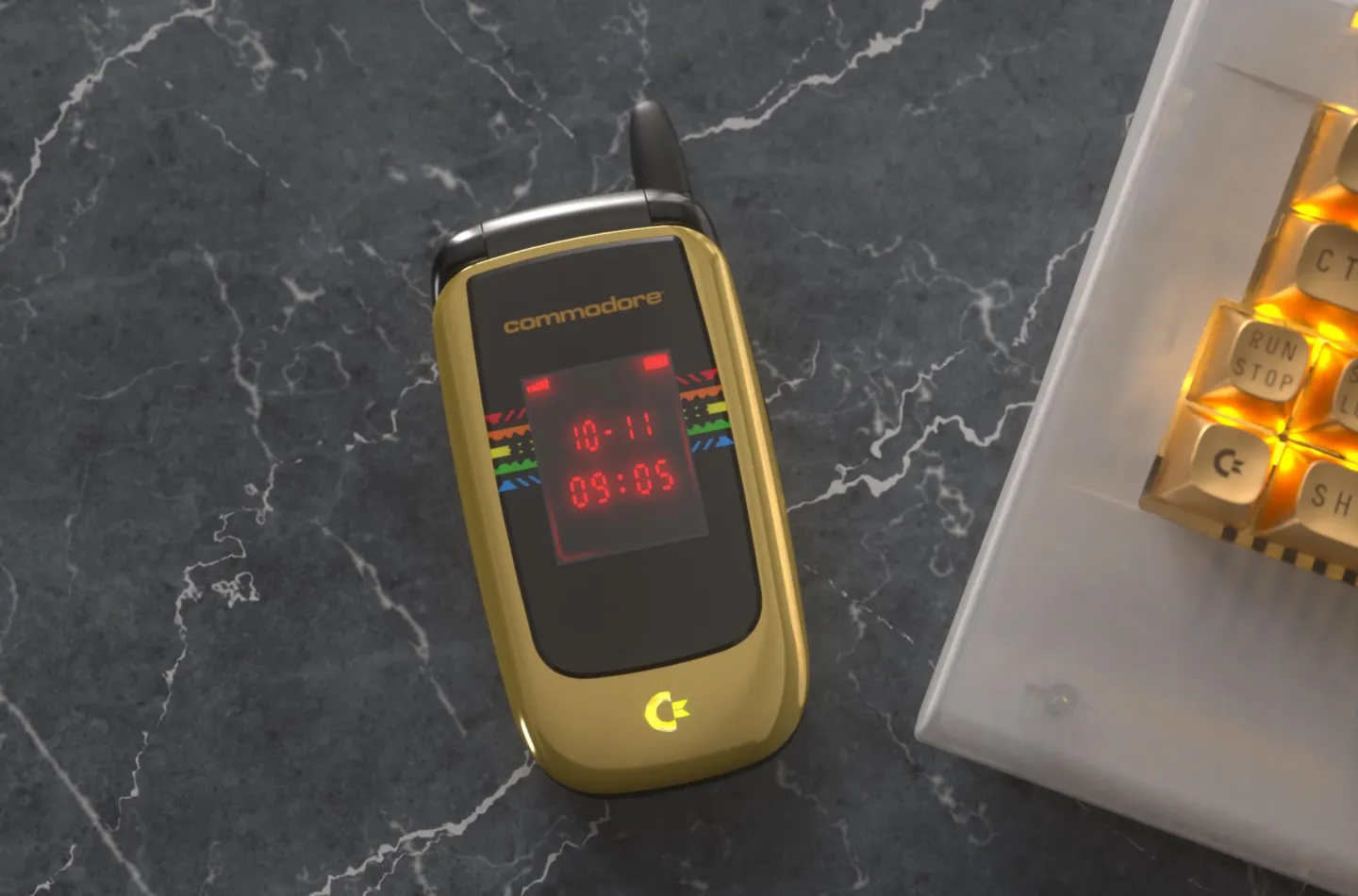
Today, this assumption has become a reality. Commodore is preparing to release a new phone that has never appeared in the original historical timeline-Callback 8020, which is a flip phone starting at $499. This product clearly pays homage to the feature phone era in the early 21st century in terms of color and design, while at the same time trying to respond to a very 2026 problem: We all spend too much time on our phones.
In terms of hardware configuration, Callback 8020 does not pursue high performance. It is equipped with a 3.25-inch internal screen with a resolution of 480×640, powered by a MediaTek Helio G81 processor, 4GB of memory, 64GB of storage space, and retains a 3.5mm headphone jack and FM radio antenna. This "old-school" design makes the whole machine look retro at first glance, and the specification sheet also indicates that it may be slightly "slow" in performance.
In terms of product concept, Callback is closer to "minimalist phones" such as Light Phone, trying to find a balance between "meeting the functions users need" and "rejecting more interference." Simpson calls it "a phone somewhere between a feature phone and a smartphone": It completely blocks social media and web browsing functions at the system level, and doesn't even allow access to Facebook servers. However, since the phone is running a version of the privacy-focused Jolla Sailfish operating system, it can still technically run most Android apps.
In order not to preset all the needs for users, Commodore plans to create an "application whitelist" mechanism for Callback: users can apply to add an Android application to Callback's app store, and then AI and manual review will determine whether it is approved. Simpson said that the team will be happy to introduce practical applications such as Uber and Spotify into the platform, but will strictly block applications such as Slack and Gmail that easily consume time and energy; in order to bypass the use of the store, the device still supports sideloading installation.
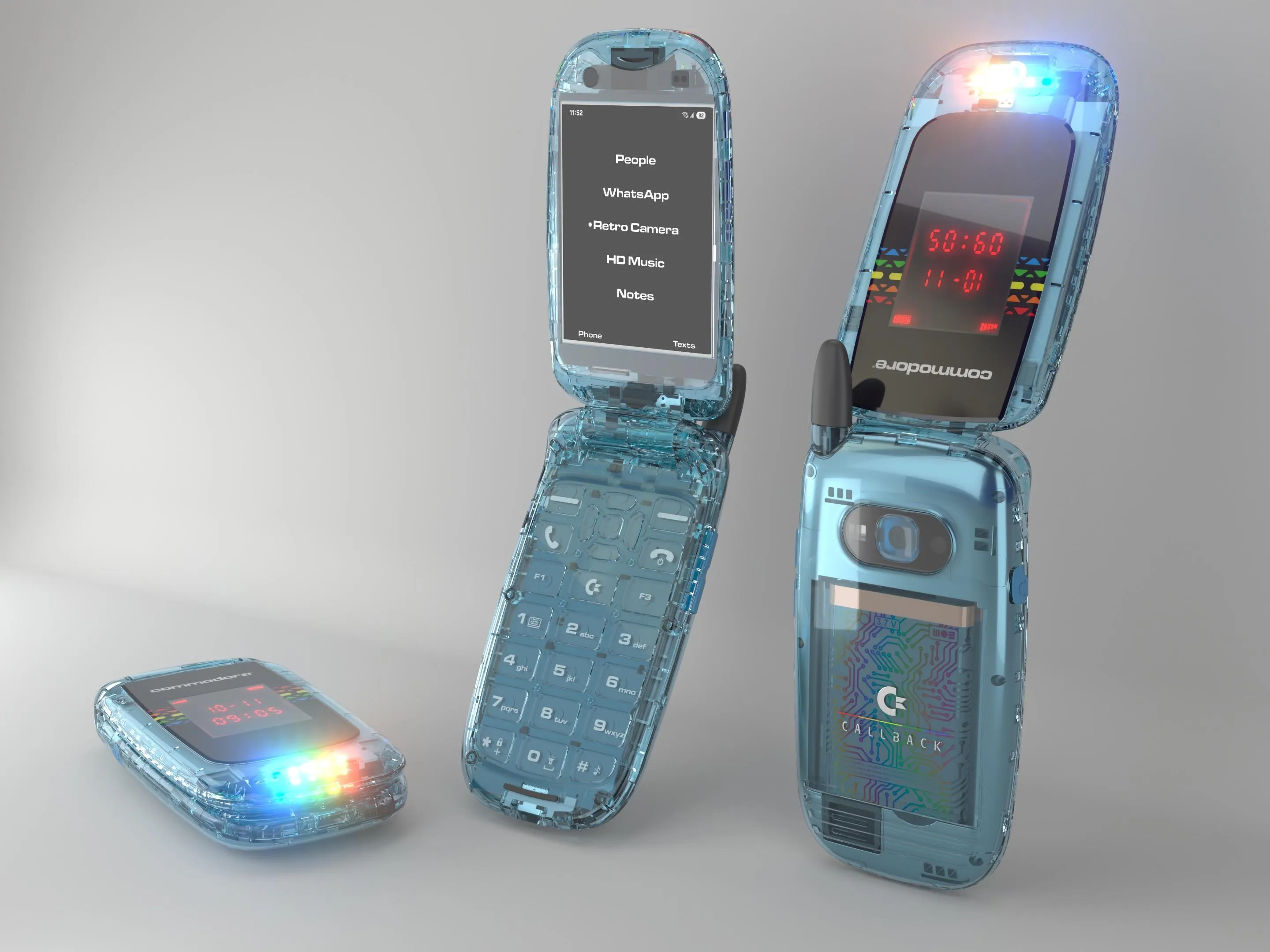
In terms of usage scenarios, Commodore positions Callback as an "off-duty and weekend phone" to keep users away from various work applications and notifications. The whole machine is deliberately designed to be "quiet": the five colored LED lights built into the body prompt notifications by changing light effects instead of disturbing the user through vibrations. The external screen only displays the time, date, battery and network connection status, and does not undertake more information input and output, which further controls the frequency of interaction between the user and the mobile phone.
Still, Callback retains several features that modern users take for granted. It is equipped with a 48-megapixel camera that supports taking photos; users can send text messages via voice or traditional T9 method. The machine has a built-in DAC decoder known as "audiophile grade" and comes with headphones to enhance the music playback experience. As for "making phone calls", the most traditional function of the mobile phone, it is naturally retained, but beyond these basic needs, it does not provide many additional functions.
In terms of appearance and version, the standard Callback model is available in three colors: beige, white and silver. In addition, the Commodore also launched a very eye-catching translucent blue version, priced at $549.99; and a gold "Founder's Limited Edition" priced at $640. The company plans to begin shipping before the end of the year, and Simpson remains optimistic about the timeline despite the current tight supply of components such as memory. He revealed that Commodore has reserved cost buffer space in pricing. If this part of the cost is not fully used in the end, it may reward consumers in the form of a "discounted first price".
Considering that Callback is positioned more as a “second phone”, the starting price of $499 is slightly high in the actual market. However, from a trend perspective, the timing of Commodore's entry is quite subtle: more and more users are looking for solutions to get rid of the shackles of full-featured smartphones, and at the same time, the Y2K-style nostalgia wave has made a clear resurgence in the field of consumer electronics. At the intersection of the mood of the times and product positioning, for some users, the Commodore may have an opportunity to be remembered again.