Tokyo, Japan: Japanese technology giant SoftBank Group Corp. announced that it will use the technology of the American artificial intelligence company OpenAI to launch a cybersecurity "patch service" for critical infrastructure companies in Japan to deal with the intensifying threat of cyber attacks.
Masayoshi Son, chairman and CEO of SoftBank Group, warned at a press conference in Tokyo that Japan's weak links in the field of network security have constituted a "crisis." If attacks in the past were like "rifle shooting," now they are more like "machine gun fire," with power and frequency doubled.
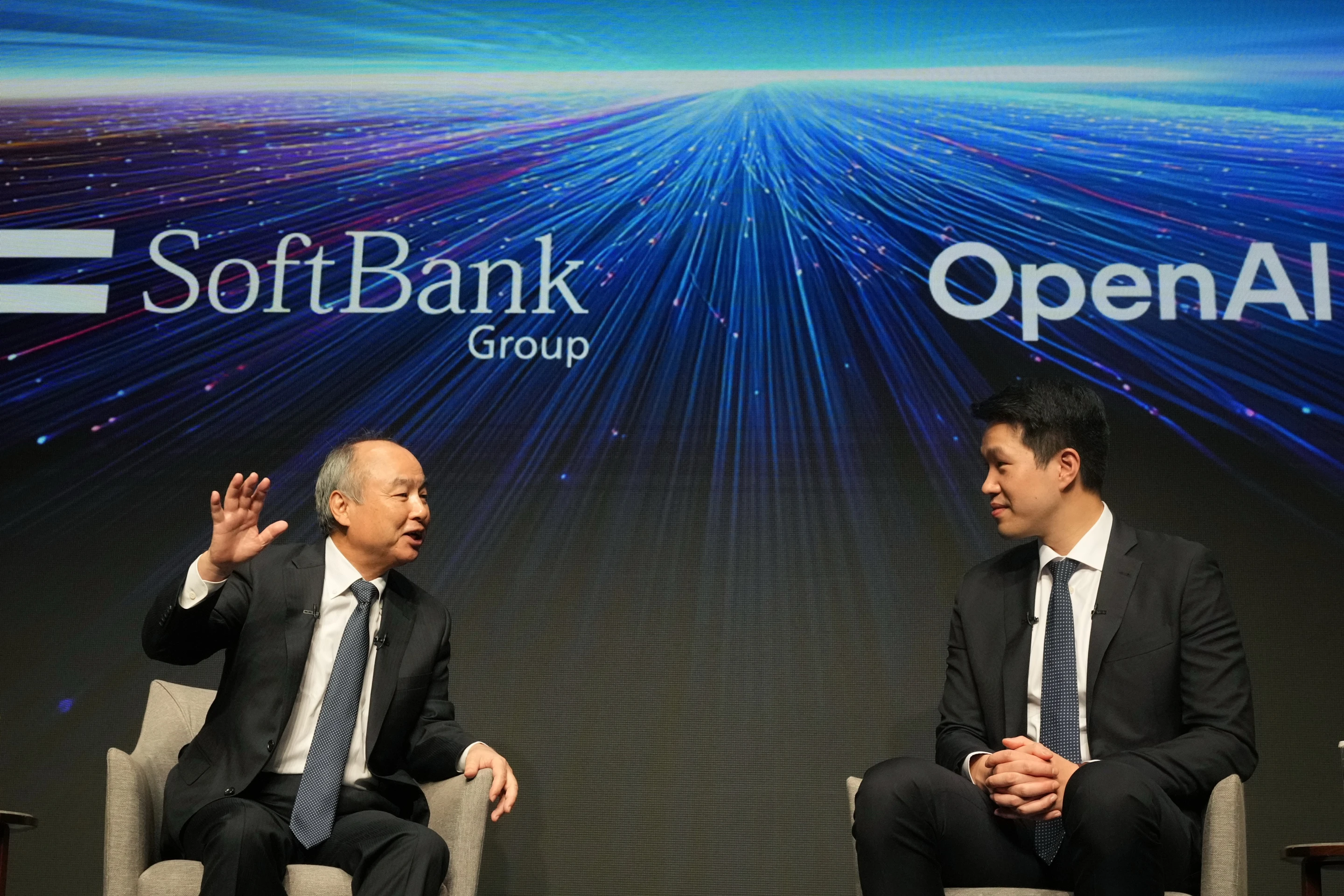
Masayoshi Son said that the services launched this time will focus on approximately 3,000 companies in key positions in Japan, including airports, power systems, transportation and other infrastructure operators related to the national economy and people's livelihood. He described SoftBank as having the responsibility to provide protection for these key nodes on the "lifeline of the country" and repeatedly called potential attack parties "bad guys", emphasizing the need to use technical means to "patch" before attackers.
According to SoftBank, this "patch service" process includes two major steps: first, use AI technology to conduct a comprehensive diagnosis of the company's systems and networks to identify potential loopholes and weak points; then analyze these "vulnerabilities" and "vulnerability points", propose corresponding patching plans, and help companies implement reinforcements. The company hopes to use OpenAI's capabilities in large models and intelligent analysis to discover problems more quickly and systematically that are difficult to cover in a timely manner with traditional security audit methods.
This conference is also a staged demonstration of the results of the cooperation between SoftBank and OpenAI in the Japanese market. The two parties established a joint venture last year, SB OAI Japan, a 50-50 joint venture company that specializes in developing and exclusively selling artificial intelligence services based on OpenAI technology for the Japanese market, including both general AI applications and enterprise-level solutions. This security service for critical information infrastructure is regarded as one of the core products of the joint venture.
OpenAI CEO Sam Altman (Sam Altman), who was originally scheduled to attend the conference, was unable to attend the event in person, but appeared through a brief video. He explained in the video that due to the early birth of his new daughter, he could only cancel his trip to Japan, but he still emphasized that OpenAI attaches great importance to its in-depth cooperation with SoftBank in the Japanese market and hopes that this security service can alleviate concerns about the escalation of cyber attacks. Instead, OpenAI chief research officer Mark Chen attended the event and participated in the conversation with Son.
SoftBank said that attendees at the conference on the day can apply for a free security diagnosis to actually experience this AI-driven "patching" solution. Although the two parties did not announce the specific amount and commercial scale of the project, judging from SoftBank’s statement, this service has high hopes and is expected to become an important growth point in the field of AI security.
With the popularity of generative AI, the number and complexity of network attacks are believed to be growing "exponentially", and attack methods are becoming increasingly automated and intelligent. Security practitioners point out that adversaries can use AI to quickly generate more confusing and targeted attack codes, phishing emails, or penetration scripts, forcing the defender to upgrade its "protective arsenal" with the help of AI tools. The security services launched by SoftBank and OpenAI in this cooperation are the product of this change in offensive and defensive postures. They reflect the trend of large Japanese technology companies trying to use the power of international AI to improve the defense capabilities of their country's critical information infrastructure.