Northrop Grumman of the United States recently announced that it will launch a Pegasus rocket carrying a service robot aircraft to perform an in-orbit "rescue" of a NASA space observatory that is about to fall into the atmosphere due to orbital decay. This action is regarded as a new milestone in on-orbit service and life extension of commercial aerospace propulsion.
The target of this mission is the Neil Gehrels Swift Gamma-Ray Burst Observatory, which has been operating since November 2004 and has been in service for nearly 22 years. The satellite has provided a large amount of key data for high-energy astrophysics research by observing gamma-ray bursts and their afterglow in the X-ray and ultraviolet/visible light bands. However, it now faces the inevitable fate of atmospheric re-entry due to multi-year orbital attenuation.
In most cases in the past, once such scientific satellites experienced problems such as continuous decline in orbital altitude and exhaustion of fuel, relevant agencies often had no choice but to accept the end of them burning up in the atmosphere, and a set of "good satellites" that could still work normally were scrapped. With the rapid development of launch vehicle capabilities and space robotics technology, the situation similar to "no return" is beginning to turn around, and on-orbit active service and life extension missions are gradually moving from concept to reality.
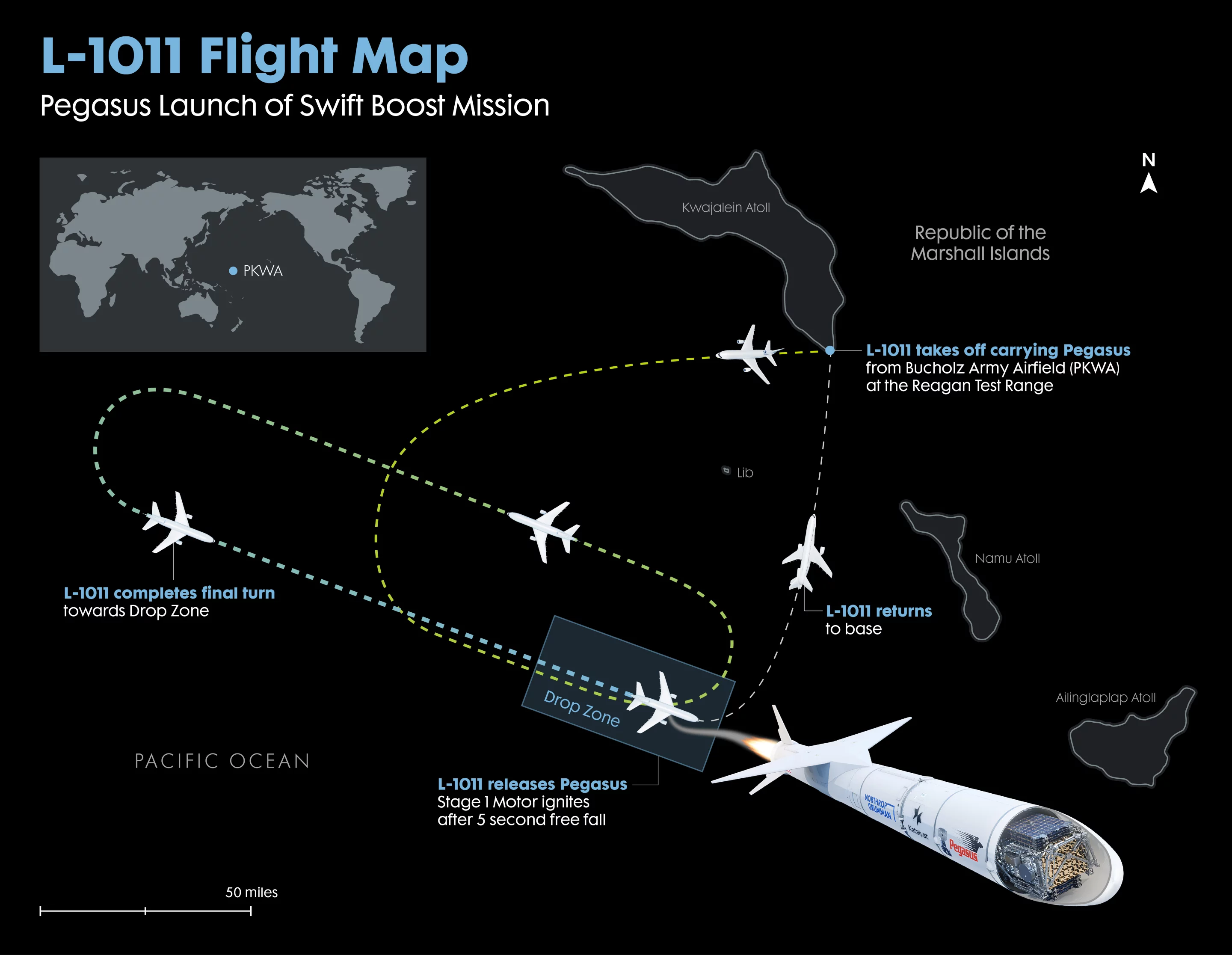
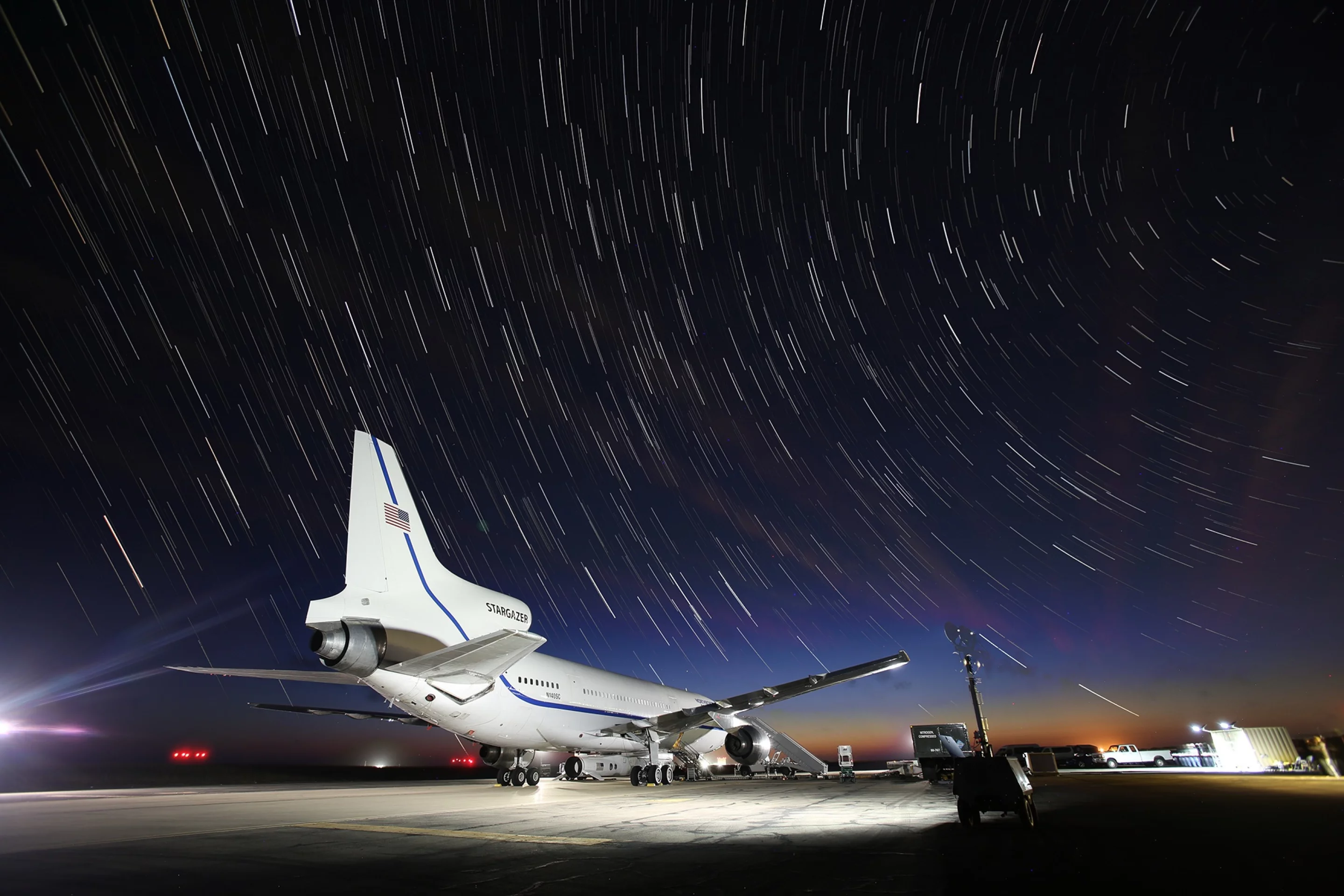
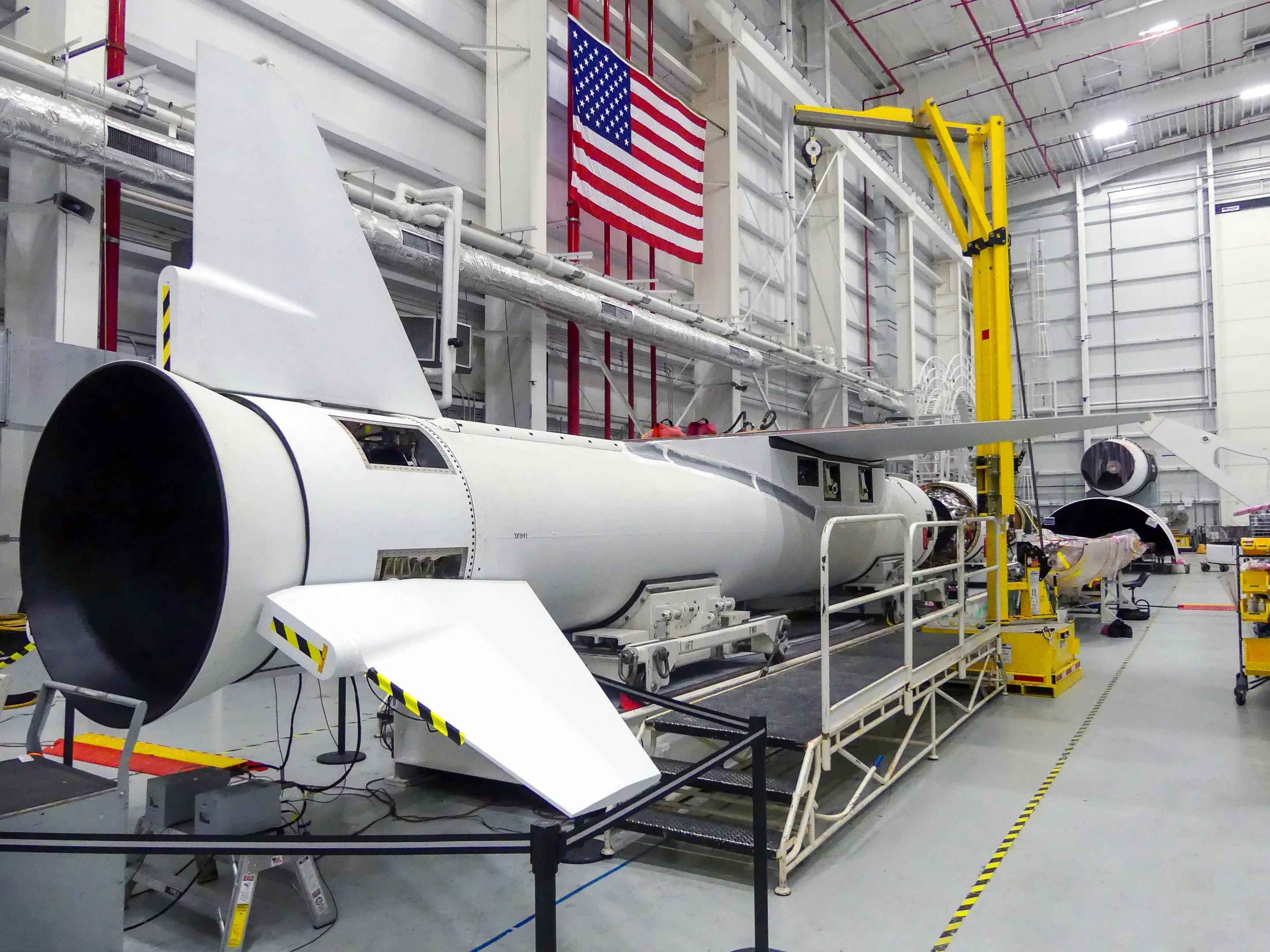
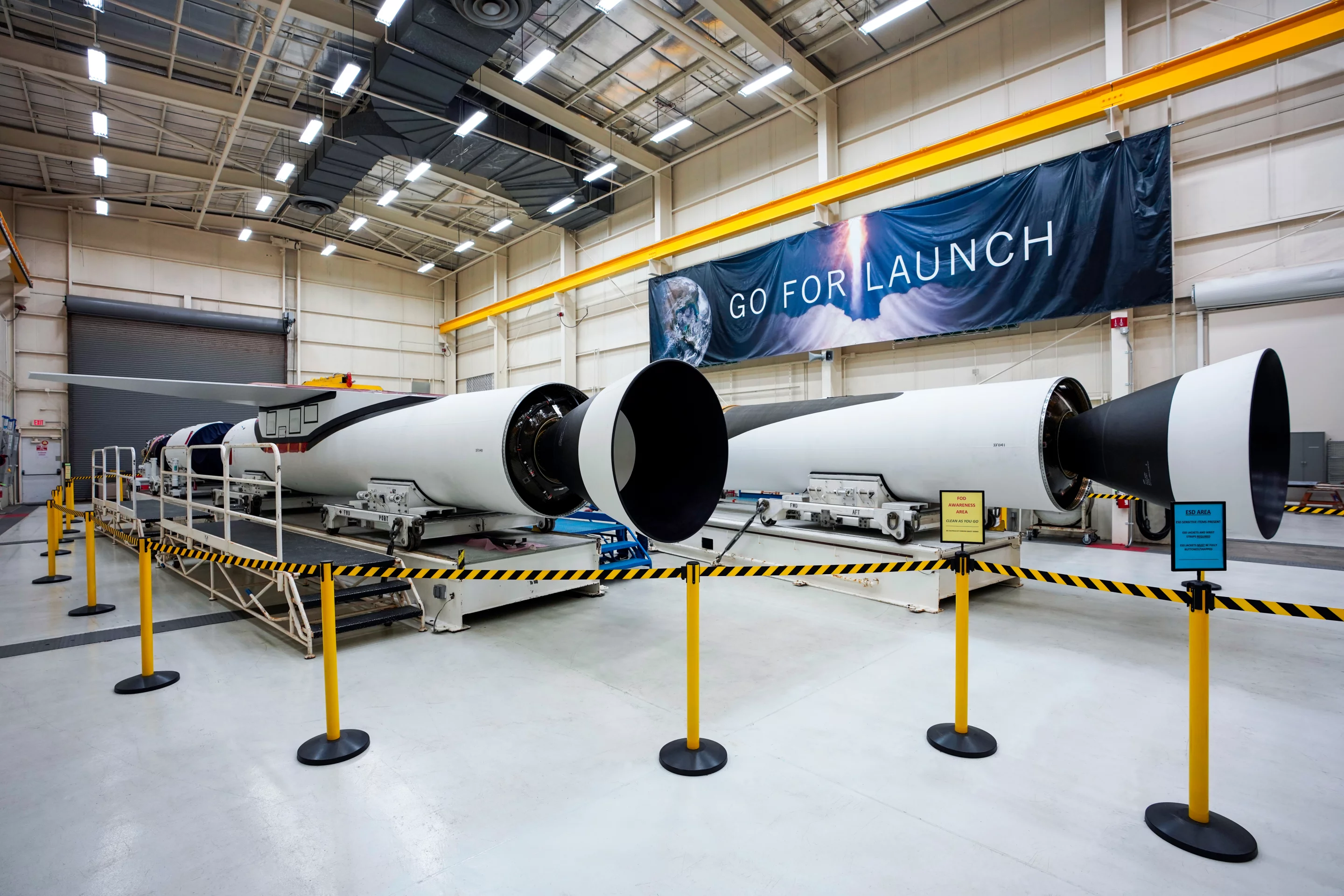
According to the announced mission plan, Northrop Grumman will use a "Pegasus" XL small solid launch vehicle launched from the air by an L-1011 "Samsung" Stargazer transport aircraft. The rocket fairing will carry a LINK service vehicle developed by Katalyst Space Technologies and weighing about 400 kilograms. The transport aircraft will release the rocket over the equatorial waters near Kwajalein Atoll in the Marshall Islands. After the Pegasus is ignited, LINK will be sent into an orbital plane that is almost exactly the same as Swift, with an orbital inclination of about 20.6 degrees.
After separating from the rocket's upper stage, LINK will rely on its own propulsion system to gradually adjust its orbit and chase the target satellite over days or even weeks until it completes orbital rendezvous at a relative speed of approximately 17,000 miles per hour (approximately 27,000 kilometers per hour). The task sounds simple and straightforward, but the technical challenges are extremely high: limited by the round-trip delay of the measurement and control link signal, the rescue aircraft must rely heavily on autonomous control during the critical stage, processing observation data from optical cameras and lidar ranging sensors in real time, and completing relative navigation and attitude control decisions with the onboard guidance flight software and imaging system.
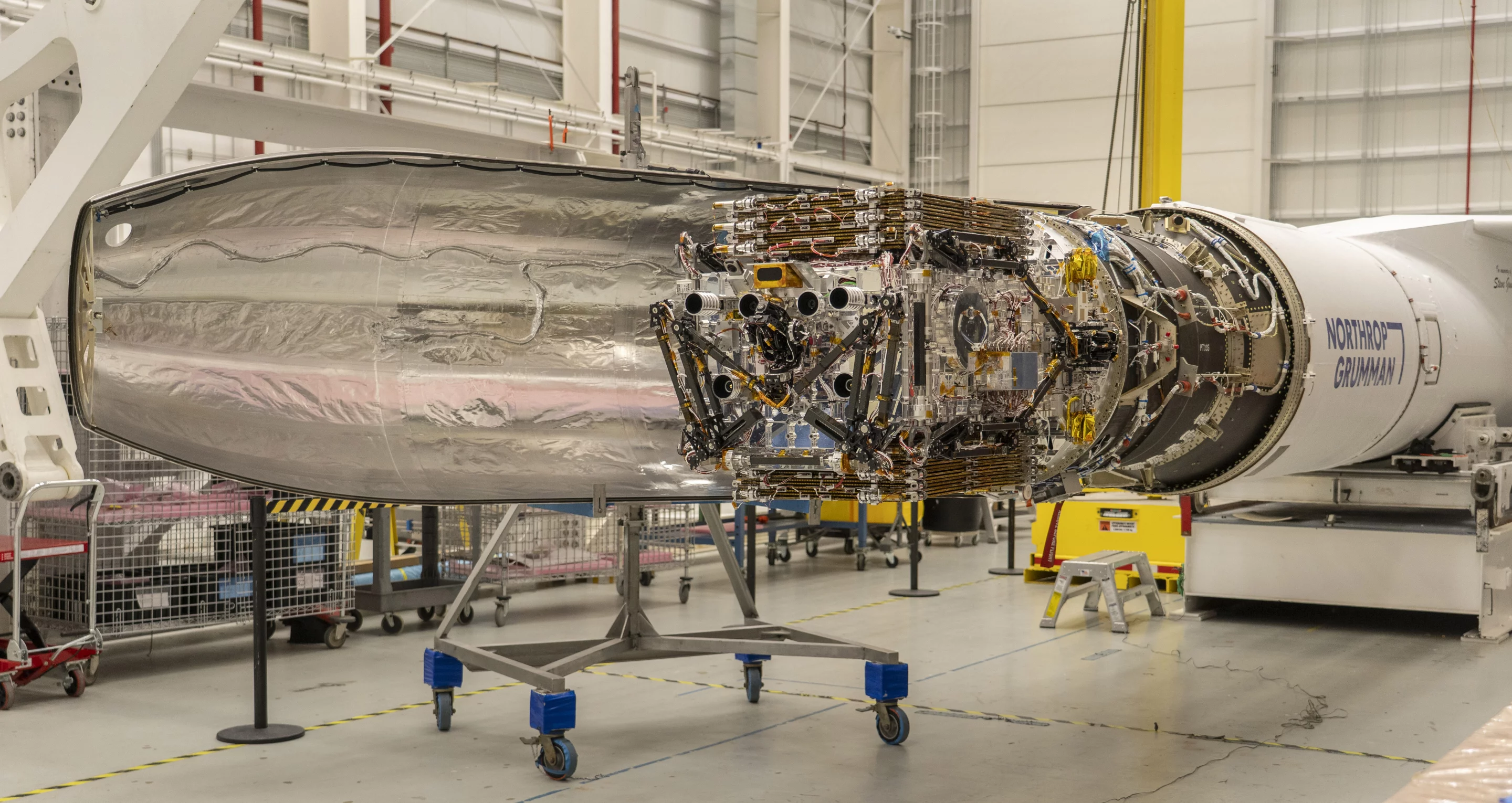
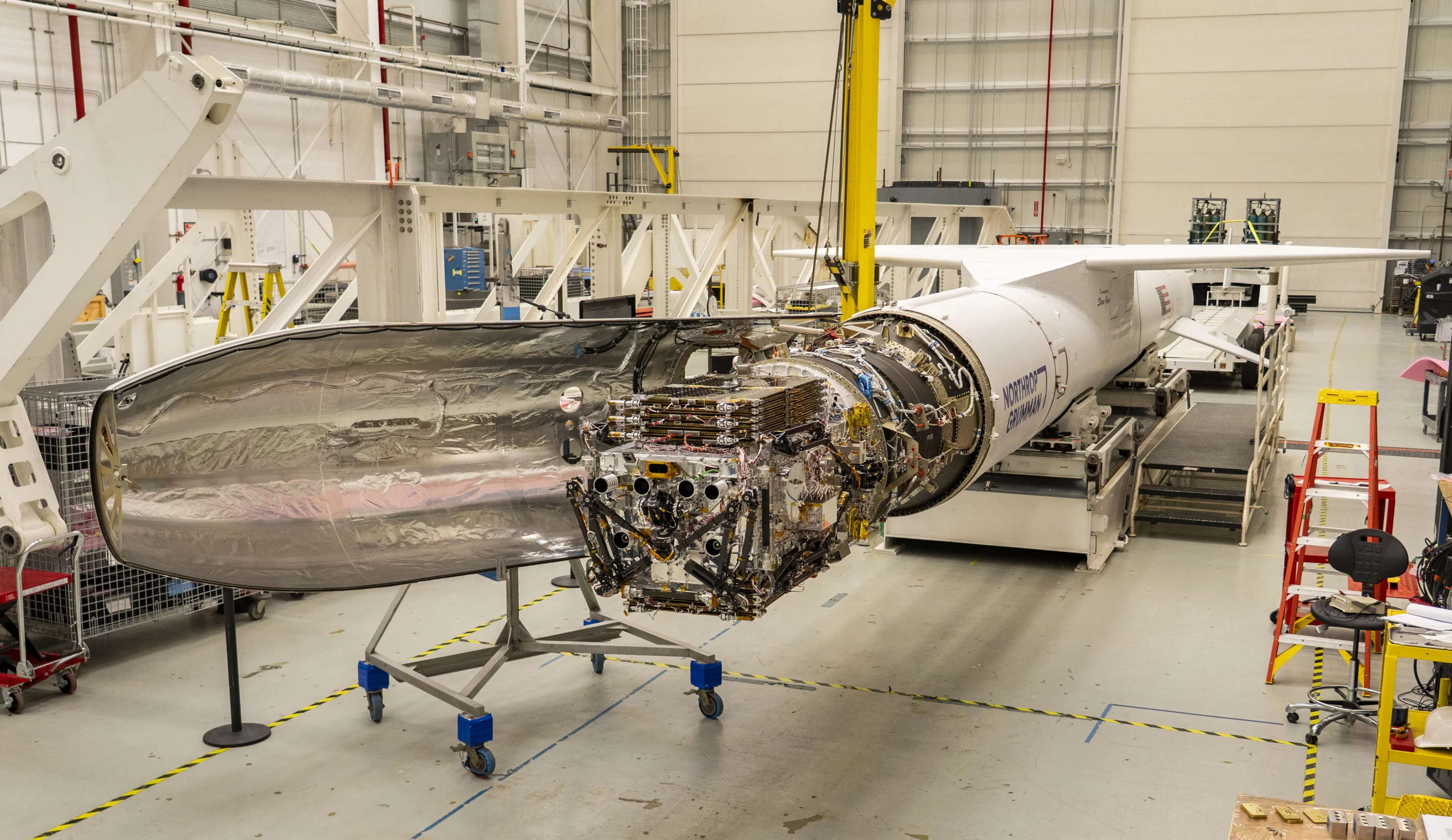
What’s even more troublesome is that the Swift satellite was not designed with any external maintenance or docking interfaces in mind. It has neither a standardized docking ring nor a magnetic capture device or cooperative navigation beacon. There is no precedent for its structure and surface condition after nearly two decades of exposure to the space environment. Therefore, LINK needs to first scan and evaluate the target satellite at close range to find the ground lifting fixed points used for ground transportation and installation on the "Delta" rocket, and plan the capture strategy accordingly.
Once a suitable structural part is found and confirmed to be safe, LINK will extend three "scary" mechanical arms to firmly grasp these ground fixtures, thereby taking over Swift's attitude and orbit control. LINK will then ignite through its own propulsion system to push the observatory to a new orbit at an altitude of about 600 kilometers, allowing it to once again gain a safe on-orbit life of "several years" and gain valuable time for subsequent high-energy astronomical observations.
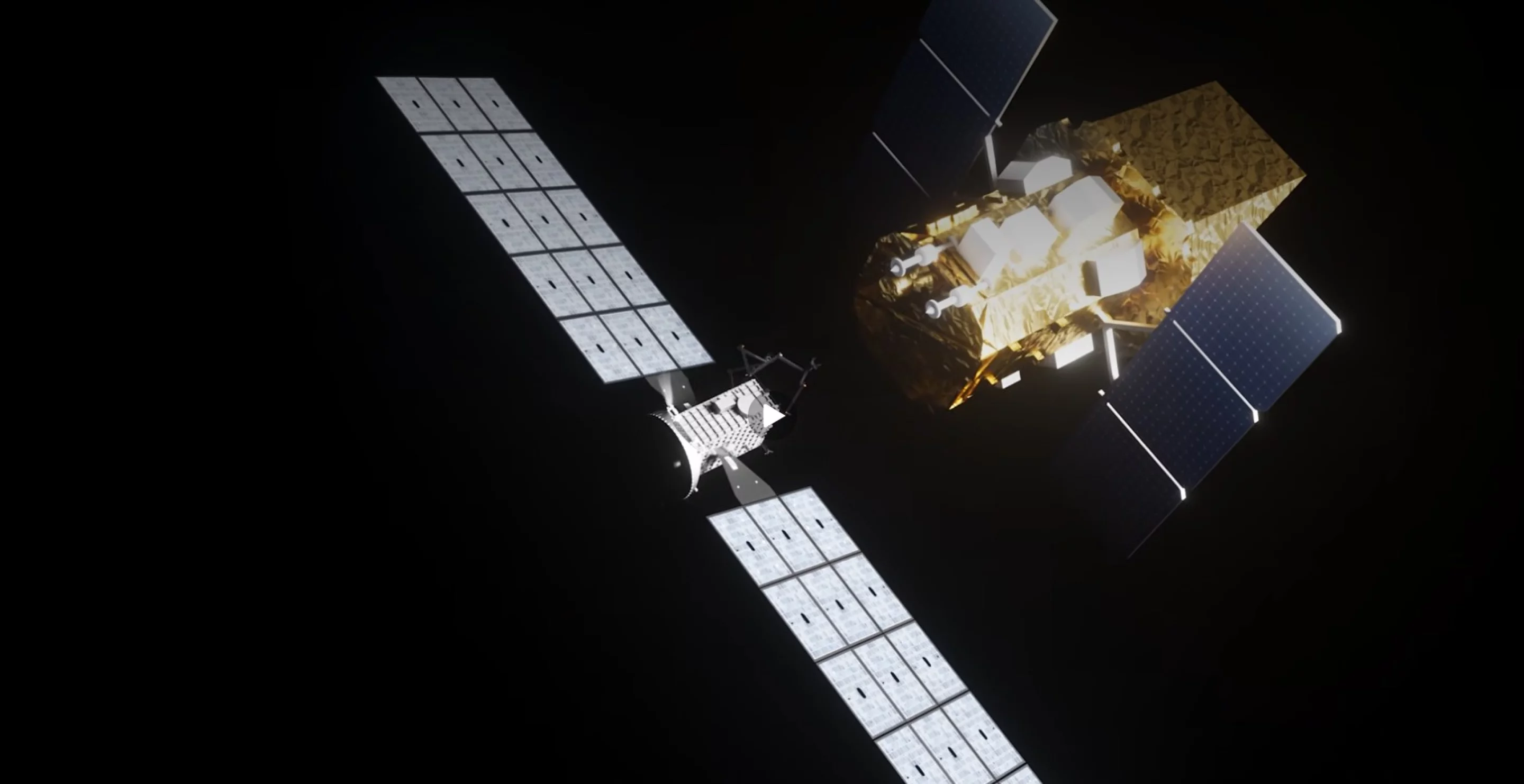
If the mission is completed as planned, it will be the first time that a commercial aircraft has successfully captured a U.S. government satellite that has not been reserved for on-orbit service. It will also be the first time in the world to attempt to capture and orbit a scientific satellite in a completely "unprepared" state. For the commercial aerospace industry, this means that services such as on-orbit rescue, life extension, and orbit cleaning are moving from the conception and testing stages to large-scale operations, and their potential market value cannot be underestimated.
The rescue launch is currently planned for late June 2026. Steve Hollo, chief engineer of Northrop Grumman's Pegasus rocket, said that Pegasus has been tasked with launching scientific satellites for many years, and this rapid response mission taking off from Kwajalein Atoll fully demonstrates the rocket's capabilities in rapid assembly, testing and global mobile deployment. The latest mission also comprehensively upgraded the entire set of electronic equipment, modernizing while inheriting existing technology accumulation. He emphasized that the Pegasus is not fixed at a single ground launch site, which gives it unparalleled advantages in flexibility and response speed over other launch vehicles, providing key support for such time-sensitive satellite rescue operations.