Recently, Epic Games CEO Tim Sweeney was interviewed by foreign media. He said that no company in the current game industry can achieve absolute market monopoly, and giants such as Sony, Microsoft, Valve, Apple and Google cannot control the entire game ecosystem alone. He called on all major platforms to abandon the closed competition model, promote ecological interconnection, and work together to address common challenges in the industry.
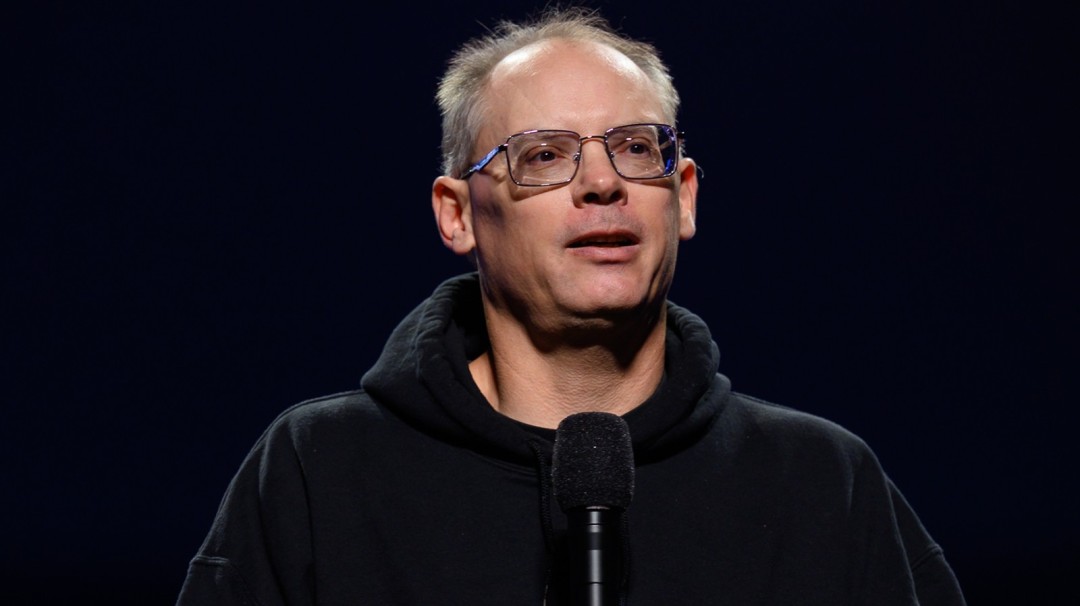
In recent years, global AAA game R&D costs have continued to rise, and leading game business sectors such as PlayStation and Xbox have experienced large-scale layoffs, putting overall industry development under pressure.
Sweeney pointed out that it is difficult to fundamentally resolve the dilemma simply by shrinking business and reducing personnel. Companies should not blindly compete for market share, but should actively connect cross-platform player communities and industrial ecology to replace vicious competition with win-win cooperation.
Talking about the path to breaking the situation, Sweeney once again explained the “Team Open” open cooperation initiative he launched. This initiative aims to break down the barriers between game products and virtual economic systems of different manufacturers and eliminate platform islands.
He revealed that after experiencing the industry downturn, the development ideas of traditional game giants such as Microsoft and Sony have undergone significant changes. Previously, companies generally pursued closed-loop ecology and strengthened market control. Now, facing common challenges, the willingness of all parties to cooperate has increased significantly. In the long run, the overall value of the industry created by cross-platform interconnection is much higher than the benefits of their respective closed development.
In addition, Sweeney took the initiative to show goodwill for cooperation to Valve, the leading PC gaming platform company, saying that Epic is willing to provide support to help Valve seize new opportunities in the industry. He judged that as industry consensus gradually forms, openness and interoperability will become an important trend in the future development of the game industry. Only by deepening collaboration and jointly building an open ecosystem can the stable and healthy development of the game industry be promoted.