Apple is preparing to "seriously pile on materials" on its next-generation slim flagship model, iPhone Air 2. One of the most watched changes is that it is expected to use a larger battery and a new 2nm A20 Pro chip to improve the poor battery life of the original iPhone Air.
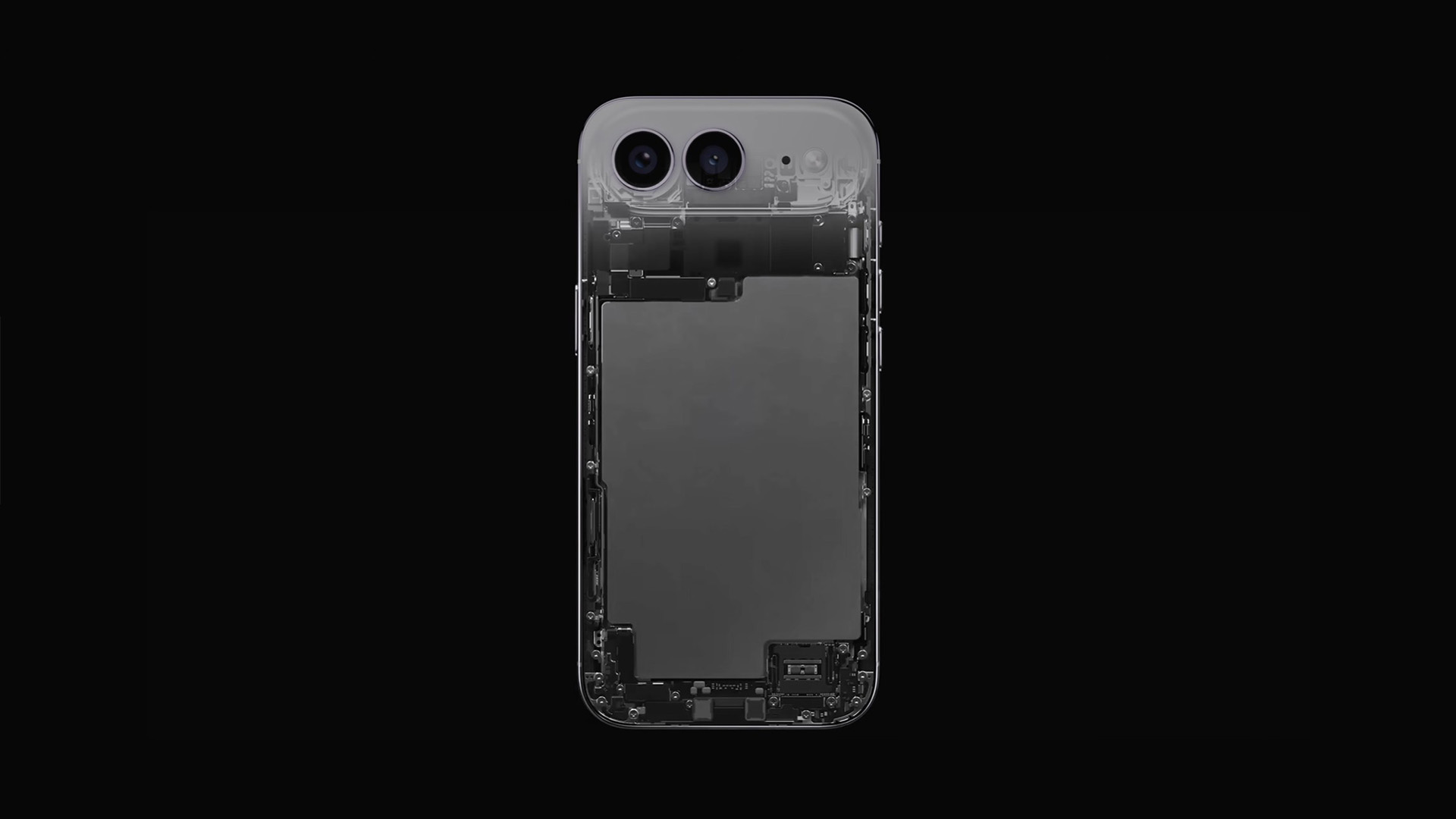
The report pointed out that the current iPhone Air is only equipped with a 3149mAh battery capacity, which forces Apple to go to the extreme in software scheduling and hardware power consumption control in order to barely guarantee the daily battery life of the entire machine. Even so, users still cannot obtain stable and satisfactory battery life performance in all usage scenarios. The latest rumors say that this situation is expected to be alleviated to a certain extent on the iPhone Air 2: Apple will equip it with a battery of more than 3500mAh and make multiple upgrades to the system architecture.
News from the supply chain shows that iPhone Air 2 is expected to use a 6.55-inch LTPO OLED display that supports ProMotion technology and has a refresh rate of up to 120Hz. Compared with the existing iPhone Air’s 6.5-inch LTPO OLED screen, the new phone is slightly larger in size while continuing to retain the advantage of a high refresh rate. Regarding the rear camera, it is reported that the iPhone Air 2 will be upgraded to a dual 48MP solution, including a 48MP main camera and a 48MP ultra-wide-angle lens. Compared with the original model that only provided a 48MP wide-angle lens, the imaging system has significantly improved specifications.
In terms of performance, the supply chain and whistleblowers generally believe that the iPhone Air 2 will be equipped with the A20 Pro chip based on the 2nm process. This means that previous rumors that Apple may use a "shrunken version" of the A20 on this model to control costs have been temporarily denied. Compared with the 3nm A19 Pro equipped on the iPhone Air, the A20 Pro is not only more advanced in process technology, but is also regarded as a key platform that can bear greater data processing pressure and higher energy efficiency ratio.
As for the battery, the details about the capacity have been relatively vague in the relevant video revelations before, only emphasizing that "it will be equipped with a larger battery." The latest news further gives a specific numerical range: iPhone Air 2 is expected to use a battery of more than 3,500mAh, which is a certain increase compared to the existing 3,149mAh. However, the industry reminds that simply increasing battery capacity cannot completely determine the final battery life performance of a smartphone. It also needs to be considered in conjunction with various factors such as chip architecture, system optimization, and communication modules.
It is reported that the 2nm SoC of iPhone Air 2 will make an important contribution to energy efficiency performance. At the same time, the supporting iOS 27 is also expected to add an improved CPU scheduling strategy to further reduce overall power consumption pressure from the system level. In addition, in terms of baseband, Apple is believed to continue the strategy of using self-developed baseband for the first-generation iPhone Air: the new phone is expected to be equipped with a C2 5G modem. Compared with the C1X used in iPhone Air, C2 is said to be able to achieve lower energy consumption while maintaining higher transmission capabilities, thereby providing additional assistance to the battery life of the entire machine in network connection scenarios.
Judging from the comparison of specifications currently exposed, the main hardware differences of iPhone Air 2 compared to the original iPhone Air include: a larger 6.55-inch LTPO OLED screen, maintaining the highest 120Hz ProMotion refresh rate, upgrading from 3nm A19 Pro to 2nm A20 Pro chip, expanding the rear camera from a single 48MP to a "48MP main camera + 48MP ultra-wide-angle" dual-camera solution, and battery capacity from 3149mAh boosted to over 3500mAh. Sources generally believe that this series of upgrades will work together on the battery life experience, not just changes in the battery number itself.
Industry analysts have emphasized in previous reports about the iPhone 18 Pro Max that even with a large-capacity battery of up to 5,567mAh, the key to truly supporting its "record-level" battery life performance still lies in the 2nm chip architecture and iOS's in-depth optimization of scheduling and power consumption control. Similar logic is also applied to the prediction of iPhone Air 2: on the premise that the overall platform and system design are more mature, the new model is expected to have a screen lighting time that is several hours longer than the previous generation model, making it more attractive to upgrade.
At present, the above information mainly comes from supply chain news and social platform revelations, including digital chat sites with well-known revelation accounts. Given that Apple has not publicly disclosed the specific configuration and release schedule of iPhone Air 2, there are still variables in the relevant specifications and battery life performance. Whether the final mass-produced version is fully in line with the current rumors has yet to be verified by subsequent official launches and actual test data.