In order to cope with the cost pressure caused by the surge in global memory prices, Apple recently began testing DRAM memory chips from Changxin Memory (CXMT), and this Chinese supplier is currently included in the "Chinese military industry blacklist" by the U.S. Department of Defense. Industry analysts believe that even if Apple is finally allowed to use Changxin memory in some products, it will only be able to alleviate the memory price crisis in the short term at best, and it is still far from "radicalizing" the industry's supply and demand imbalance.
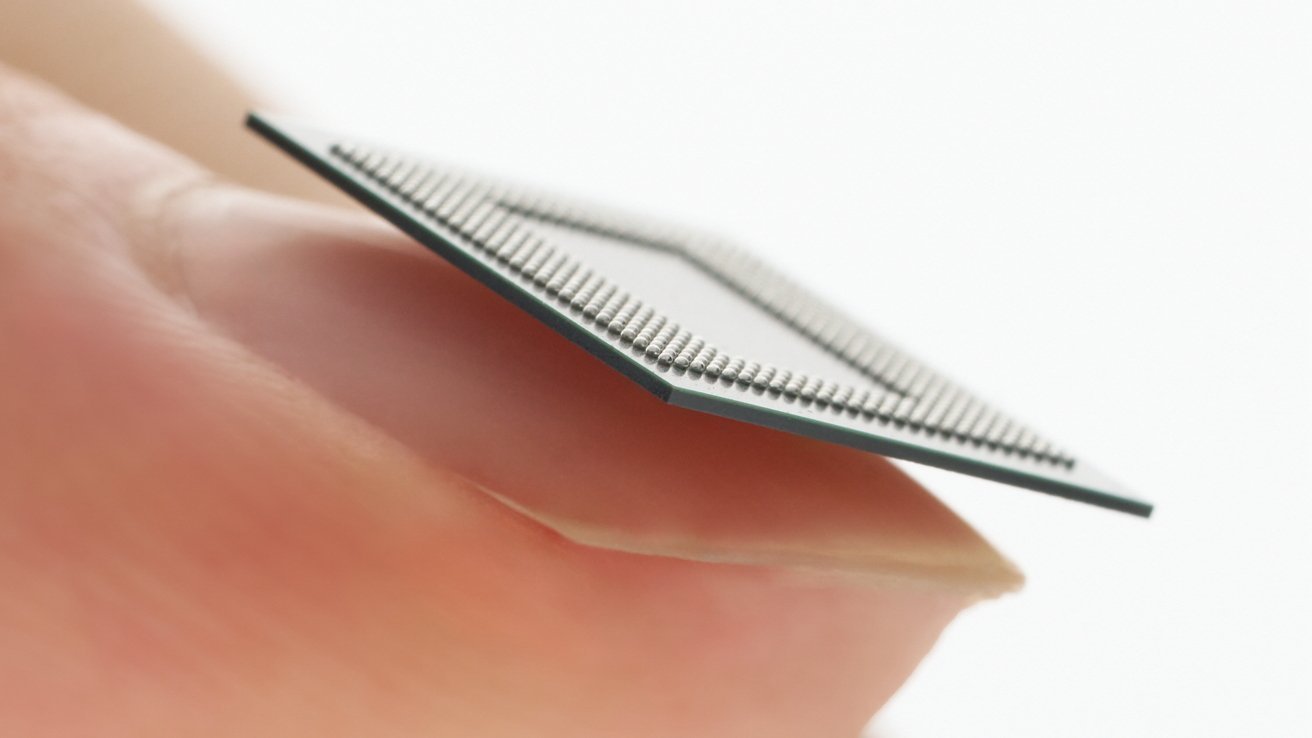
According to a report by the Financial Times citing two sources, Apple has purchased some smartphone-grade DRAM chips produced by Changxin for internal testing to evaluate whether their performance and quality meet its own product standards. If the test results meet the standards and can be released by the US government, these memories may be installed in iPhones sold in Western markets in the future, but the relevant arrangements are still full of uncertainty. As early as the end of June, there were reports that Apple had submitted an application to the Trump administration, hoping to be allowed to purchase memory from blacklisted Chinese suppliers to hedge against "painful price increases" in the memory market.
The core of the dispute lies in the contradiction between Changxin's identity and the US security review mechanism. Changxin Storage is included in the so-called "Chinese military industrial enterprises" list (1260H) in the United States. This list is determined by the Pentagon to have connections with the People's Liberation Army and is regarded as a potential "national security risk." Under current rules, U.S. companies can still purchase parts and components from companies on the list, but the U.S. Department of Defense is not allowed to sign contracts directly with these companies or suppliers that use their parts. For Apple, once it uses Changxin Memory in its products, it may mean losing some of its lucrative U.S. government orders, and it will also have to face domestic public opinion's amplified doubts about "security risks."
The bigger suspense is the threat of the "entity list". The report pointed out that Changxin was once at risk of being included in the U.S. “Entity List,” but it was only temporarily shelved after the White House intervened. Once it enters the entity list, U.S. companies will be almost completely prohibited from conducting transactions with it, which will completely block any business dealings between Apple and Changxin. At present, Apple purchases Changxin chips only for internal testing and has not entered mass production and sales, so it does not violate existing restrictions. From Apple's perspective, it is a preliminary step in line with consistent decision-making logic to verify the supplier's technical level through testing before taking the risk of requesting an exemption from the White House.
From an industrial background, Changxin is a DRAM manufacturer that grew up with the support of China's local policies. It was established in 2016 and was led by Zhu Yiming to launch a local storage manufacturing project with government support in order to reduce dependence on imported memory. The company has gradually improved its process system by acquiring Qimonda's relevant patents, introducing key technical talents, and purchasing ASML's deep ultraviolet lithography machines. During this process, Changxin continued to receive preferential land and financing support from the Chinese government, and it is estimated that it will receive a total of at least US$880 million in subsidies from 2023 to 2025.
These investments did not translate into immediate profits in the early stages: Over the past ten years, Changxin has accumulated losses of approximately US$5.4 billion. However, as global memory prices skyrocketed, this long-term strategy began to pay off. The report quoted data as saying that in the first quarter of 2026 alone, Changxin achieved revenue of US$4.8 billion, and is generally expected to further expand profit margins in the future as the price crisis continues.
In terms of global market share, CX is currently the fourth largest DRAM manufacturer in the world after SK Hynix, Samsung and Micron, accounting for approximately 11% of global DRAM wafer production capacity in 2025. Although this volume is still difficult to shake the top three giants, in the current environment of supply shortages and soaring prices, this 11% of production capacity is regarded as a potential "incremental buffer." However, due to the multiple restrictions on Chinese companies in the United States and the fact that Changxin mainly supplies products to the local market, there are still structural obstacles to the extent to which this production capacity can actually flow to international manufacturers such as Apple.
For Apple and other OEMs, the biggest problem right now is the high cost caused by the tight global memory supply, which seriously squeezes product profit margins and drags down market demand for PCs and mobile devices. Against this background, Apple is trying to persuade Washington to make limited policy adjustments in the highly sensitive and price-elastic memory segment, which is not unexpected from a business perspective. For Apple, national security risks are not the primary consideration in decision-making. How to reduce costs and maintain the competitiveness of iPhone and other products while ensuring supply security is the core goal.
However, industry analysts pointed out that even if the U.S. government finally agrees to Apple purchasing some memory from Changxin, the relief effect brought by this move may be "a drop in the bucket." First of all, Changxin’s current 11% global production capacity must give priority to meeting the needs of local customers. Apple must compete for limited resources with domestic companies in China that already rely on Changxin’s supply. Secondly, if Apple is exempted from the policy, other manufacturers with the same restrictions will also rush to find similar channels to share this "cheaper memory cake", so that the new supply will soon be absorbed by demand again, and price pressure will rise again.
More importantly, Changxin's own capacity to expand production is not unlimited. The report quoted SemiAnalysis analyst Wang Rui as saying that even if manufacturers including Changxin accelerate their production expansion, global memory production capacity will remain highly tense in the next two years. In his view, relying on a single supplier or a single exemption policy can only put a temporary "Band-Aid" on the current price crisis, and cannot solve the structural contradiction of long-term supply and demand imbalance in the memory industry. The real way out still relies on the entire storage industry to expand production capacity over a longer period of time and establish a more diversified and resilient supply system.