Affected by factors such as concerns that the performance growth rate of the semiconductor industry may peak and decline and the tension in the Middle East, the Korea Composite Stock Price Index (KOSPI) suffered a heavy setback on the 8th, closing down more than 5%. It has fallen more than 20% from its June high, entering a technical bear market. Affected by the sharp decline in the U.S. technology sector overnight, KOSPI opened 2.66% lower on the day, with the largest intraday drop of 6.14%, once approaching the 7100-point integer mark, and closed at 7246.79 points, down 5.35% from the previous trading day.
Severe market fluctuations triggered risk prevention and control measures, and the Korean Stock Exchange initiated a "temporary suspension" measure to suspend programmed trading of KOSPI200 index futures. The Kosdaq Index (KOSDAQ), which represents South Korea's growth technology track and is known as the "Korean version of Nasdaq", was simultaneously under pressure, falling 800 points during the session and closing down 5.56%. The Korea Exchange also initiated a "temporary trading suspension" measure on KOSDAQ on the same day.
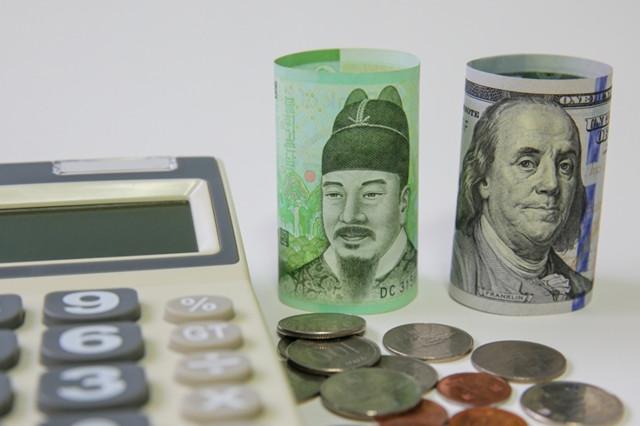
As the stock index fell sharply, the total market value of KOSPI shrank to approximately 5,931 trillion won (1 US dollar is equivalent to approximately 1,500 won). This is the second time since May 20 that the total closing market value of KOSPI has fallen below 6,000 trillion won.
In terms of individual stocks, heavyweight stocks in the South Korean stock market generally weakened that day, with Samsung Electronics and SK Hynix falling by more than 6% and 3% during the session, dragging down the overall semiconductor sector. Analysts pointed out that overnight declines in U.S. technology stocks and semiconductor sectors heightened market concerns about a slowdown in global artificial intelligence investment and a peak in the semiconductor industry. At the same time, the escalating situation in the Middle East has boosted risk aversion and further undermined investor confidence.
The South Korean government held a financial market meeting that day and stated that it would pay close attention to recent capital market fluctuations, strengthen market risk monitoring and departmental coordination, and take timely measures when necessary to maintain the smooth operation of the financial market.