European Commission President Ursula von der Leyen recently announced that the EU plans to introduce a series of new regulations later this year aimed at restricting children's access to social media. The move is based on recommendations from a panel of experts tasked with studying how to better protect minors from online harm.
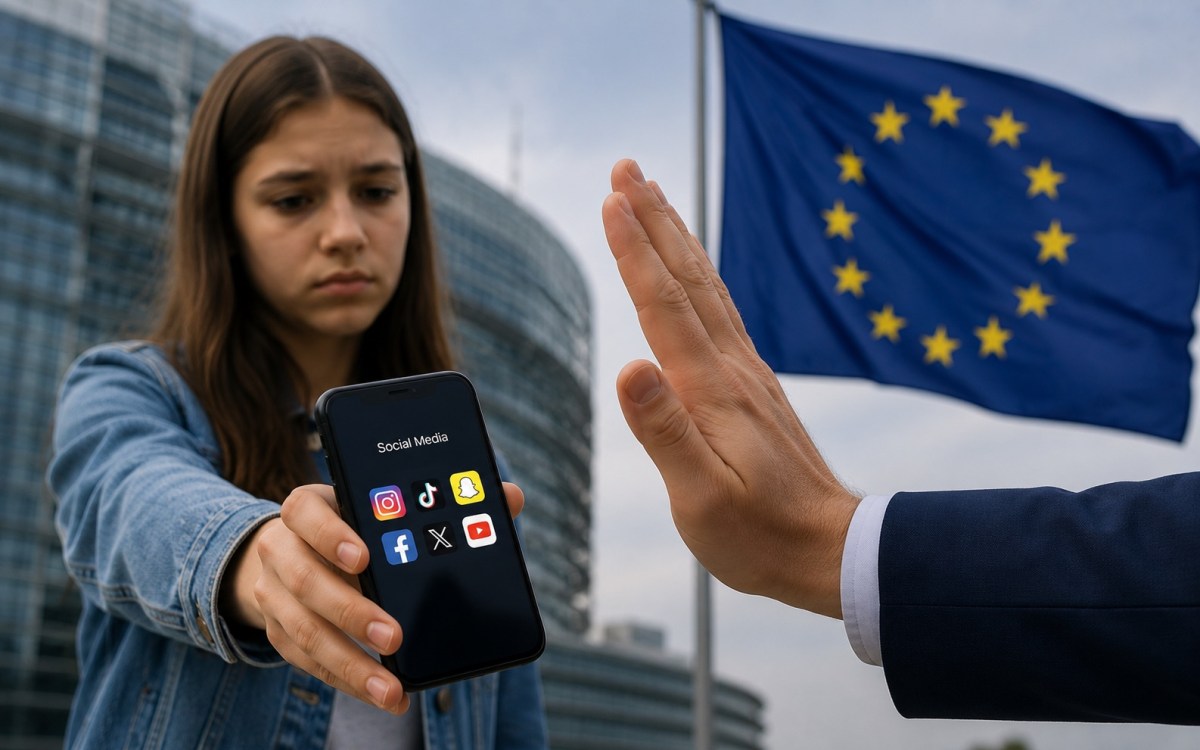
Under current proposals, children under 13 will only be allowed limited supervised access to social media in the future, with restrictions gradually easing as they get older. In addition, the expert panel also requires major technology platforms to prove that their platforms are safe for young users before granting users access. This policy direction shifts the responsibility more from parents to technology companies.
The EU is not the first region to take such measures. Last year, Australia became the first country in the world to ban children under 16 from using social media nationwide. Meanwhile, France, Greece and several other European countries have approved or are considering implementing similar age-based entry restrictions. Outside of Europe, governments in the United Kingdom, Canada and other countries are also evaluating and formulating stricter regulatory rules to strengthen the online protection of minors.
Von der Leyen said that the European Commission will announce specific proposals after the end of this summer, and it is expected that the relevant draft legislation will be formally submitted during its "State of the Union Address" in September.