An international team led by researchers from the Chinese Academy of Sciences recently discovered a huge ancient whale cemetery in the deep sea area of the Diamantina Zone in the southeastern Indian Ocean. This major archaeological and biological discovery was published in the international academic journal "Nature" on June 10, 2026.
The site is located at depths of 4,200 to 7,000 meters underwater and stretches for about 1,200 kilometers. When scientific researchers used the "Struggle" deep-sea manned submersible to conduct scientific research in February 2023, they discovered a large number of whale bones and fossil remains on the seabed for the first time. After a month of in-depth exploration and 32 dive operations, the scientific expedition team recorded a total of 476 whale fossils and 5 active "whale fall" ecosystems.
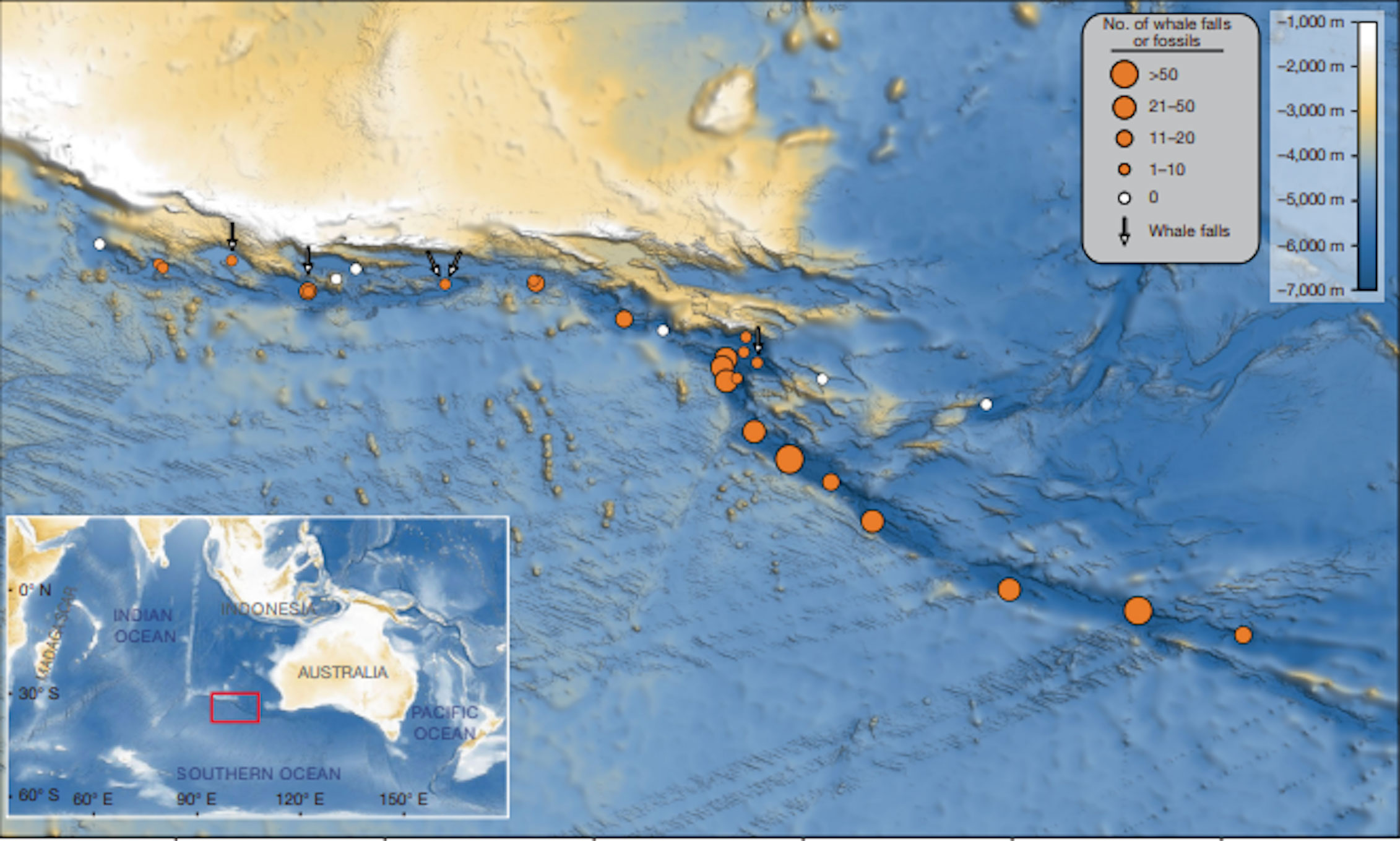
The so-called "whale fall" refers to a special ecological phenomenon in which whales sink into the deep sea after death, and their remains provide long-term food sources and living space for surrounding creatures. The research team observed a large number of deep-sea creatures at the site, including jellyfish, brittle stars and bone-eating worms, many of which have never been recorded before in the scientific community. By analyzing 43 recovered fossil samples, the researchers identified a variety of beaked whales, such as Angler's beaked whale and toothed beaked whale, as well as baleen whale species such as Sei whales. Additionally, the team identified a new, now extinct whale species, named Pterocetus diamantinae.
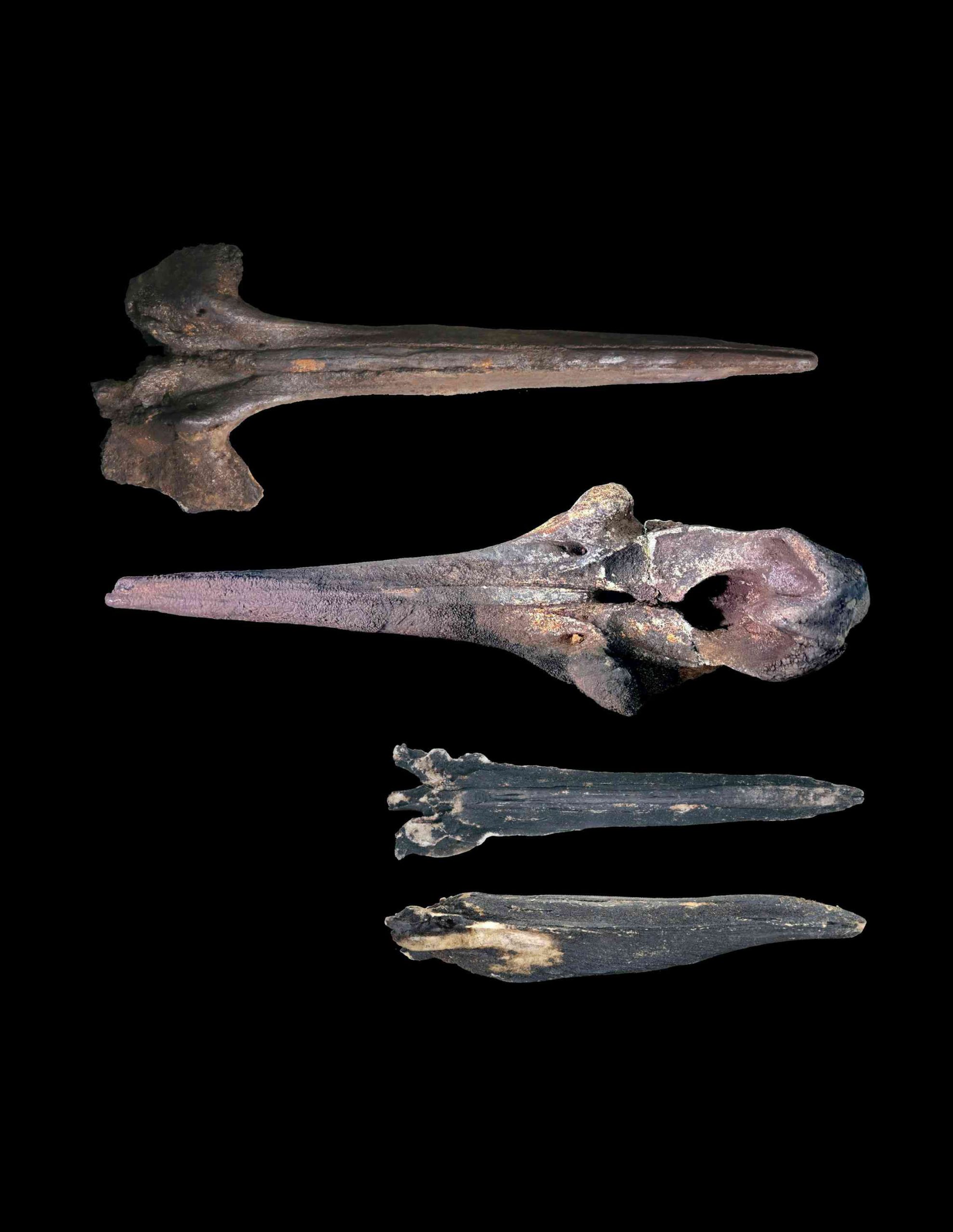
Using isotope dating techniques, scientists determined that the oldest of these fossils is about 5.3 million years old. Regarding the reasons for the formation of the cemetery, the research team believes that the unique "V" shaped seafloor topography of the Diamantina Zone played a key role. It collects whale carcasses like a funnel and retains them on the seafloor. At the same time, the area itself is also the habitat of a variety of deep-diving beaked whales. The combination of multiple factors contributed to this rare large-scale fossil accumulation.
This study not only provides scientists with a precious window into the evolutionary history of beaked whales from the Pliocene to the present, but also further deepens human understanding of the deep-sea whale ecosystem. This silent world hidden deep under the Indian Ocean is becoming an important key to unlocking the mysteries of deep-sea life evolution and ecological cycles.