The Trump administration is planning to use the upcoming United Nations General Assembly to push for a global "free speech" declaration. European lawmakers widely viewed the move as an implicit attack on EU regulations targeting big tech platforms.
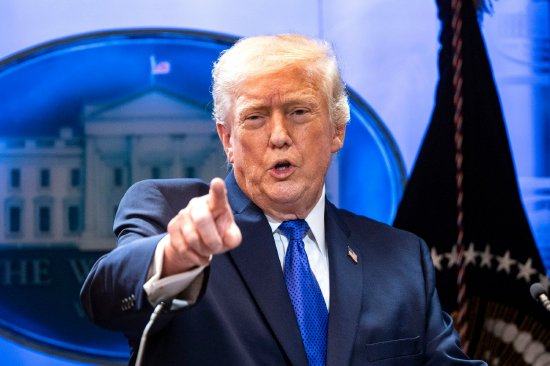
According to the draft declaration distributed by the United States to various countries, the Trump administration intends to urge heads of government to sign the agreement during the United Nations Annual Meeting in September this year. The draft explicitly condemns "new laws" and "regulatory frameworks" that "endanger freedom of expression" around the world.
Since returning to the White House, Trump and his party allies have been critical of regulatory rules for online platforms in jurisdictions such as the European Union, saying they amount to "censorship." In February 2025, US Vice President Vance even claimed that Europe's move poses a greater threat to the local area than Russia or China. Alexander Gies, a member of the European Parliament of the German Green Party, said that the Trump administration’s labeling of all technology regulations as “anti-free speech” is essentially a political show intended to divert public attention from censorship of itself and its corporate allies.
The declaration commits signatories that charges such as "disinformation," "misinformation" or "hate speech" should not be used as a basis to punish speech unless the content directly incites violence. Sarah Rogers, the U.S. Under Secretary of State for Public Diplomacy, said the document is intended to promote transparency and consensus while serving as interpretive guidance for U.S. technology companies when complying with overseas laws. She stressed that the statement was not intended to overturn the EU's flagship regulation, the Digital Services Act (DSA).
However, the plan has raised alarm in Brussels. Sandro Gozzi, a liberal member of the European Parliament, criticized the Trump administration's move as promoting a "global Wild West" and trying to deregulate large technology platforms through the so-called "free speech" excuse. He emphasized that Europe does not agree with this position. For Europe, "freedom of speech" is not the same as "freedom of communication." In particular, large online platforms have the responsibility to regulate content, not censorship.
Currently, EU countries are considering negotiating the text of the declaration to prevent it from setting a precedent that may target the EU's own regulations, and to avoid being passive by refusing to sign a document in the name of "protecting freedom of expression."
The broad draft not only seeks to protect expression, including political and religious speech, but also covers areas of concern to Trump supporters, such as discussions about the "election process" (including questions about the vote counting system), "scientific and academic discourse" about public health, and "facts" that are supported by statistical or biological evidence even if they are questioned by official agencies. It is unclear what role big U.S. technology companies played in pushing for the document, but they have complained about the high costs and compliance obligations of complying with EU regulations.