For adults with obesity, adding an avocado to their daily diet may help reduce specific blood markers associated with cardiovascular disease, according to a new study published in the Journal of Clinical Lipidology by Penn State's Department of Nutritional Sciences.
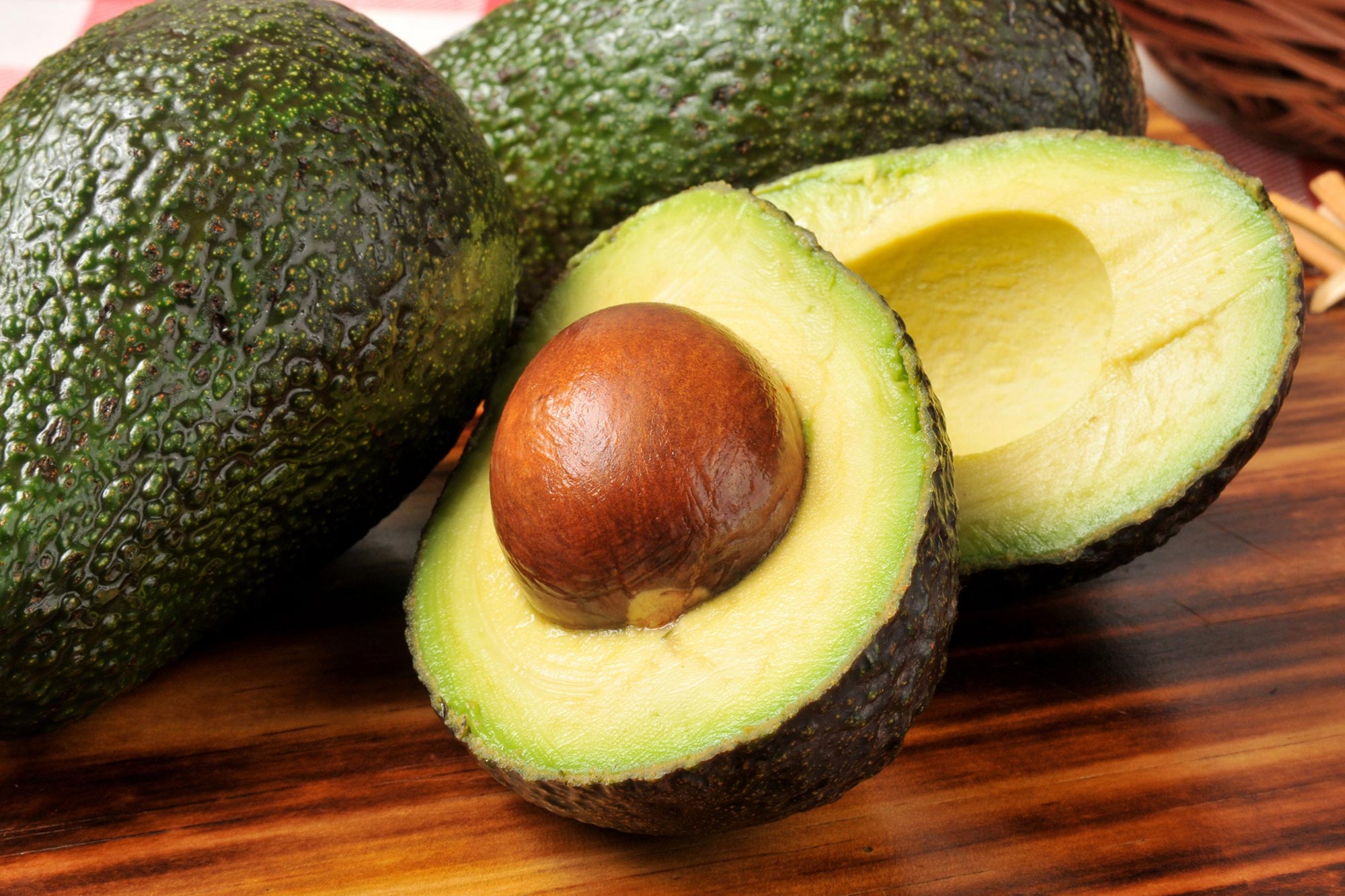
The study followed 786 obese participants aged 25 and older for six months. The researchers divided the participants into two groups, one group maintained their original diet and exercise habits, and the other group ate an extra avocado every day in addition to maintaining their daily diet.
Experimental comparisons found that after six months, the concentration of low-density lipoprotein (LDL) particles in the blood of participants in the daily avocado group dropped by an average of 49 nanomoles per liter. The researchers estimated that this change was equivalent to a reduction in the risk of heart disease by about 4%. Although this reduction is relatively mild compared with the 14% to 29% risk control effect achieved by comprehensively improving the overall diet structure, this improvement is consistent across people of different genders, races, ages, and body mass indexes (BMI).
Researchers pointed out that low-density lipoprotein particles in blood vessels play the role of transporting cholesterol, and smaller LDL particles are more likely to penetrate the blood vessel wall and form plaque, which in turn causes the blood vessels to harden and narrow, increasing the chance of cardiovascular events. Therefore, measuring the concentration of LDL particles can more accurately reveal potential heart disease risk than simply measuring total LDL cholesterol.
Most of the previous relevant experiments were conducted in an environment where all participants' diets were strictly controlled. However, this study confirmed that without changing the overall diet structure in real life, only a small dietary adjustment such as the introduction of avocado can still have a positive impact on blood health indicators, providing a practical entry point for the public to improve dietary quality.