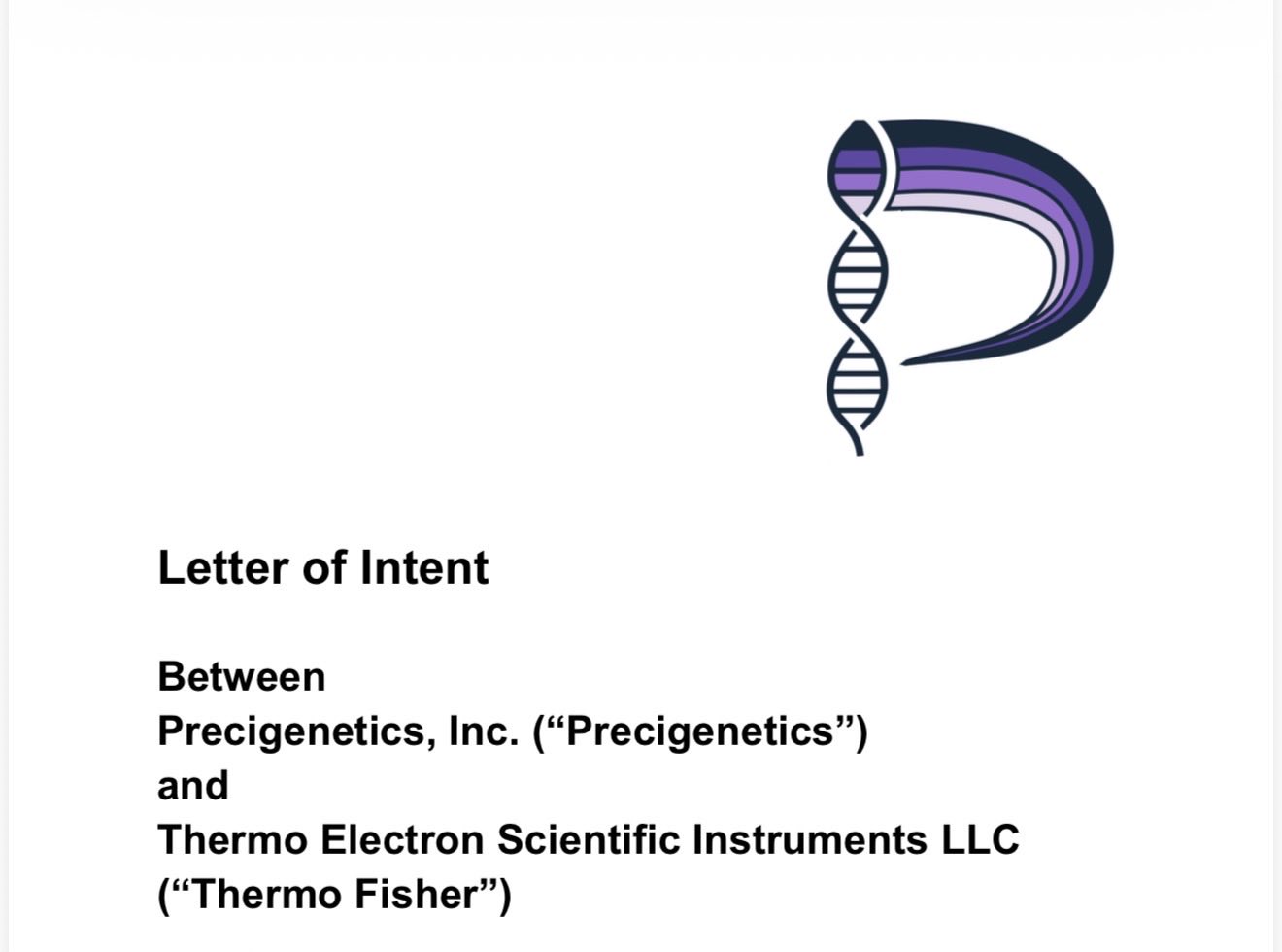
In the fields of technology and semiconductors, Nvidia's profit margin is often regarded as a ceiling by the industry. However, the latest transactions in the biotechnology field have completely refreshed this perception. Precigenetics, a biotechnology company focusing on the development of live cell drugs, recently announced that it has signed a letter of intent for a cooperation worth US$2.3 million with Thermo Fisher Scientific, a well-known scientific instrument giant.
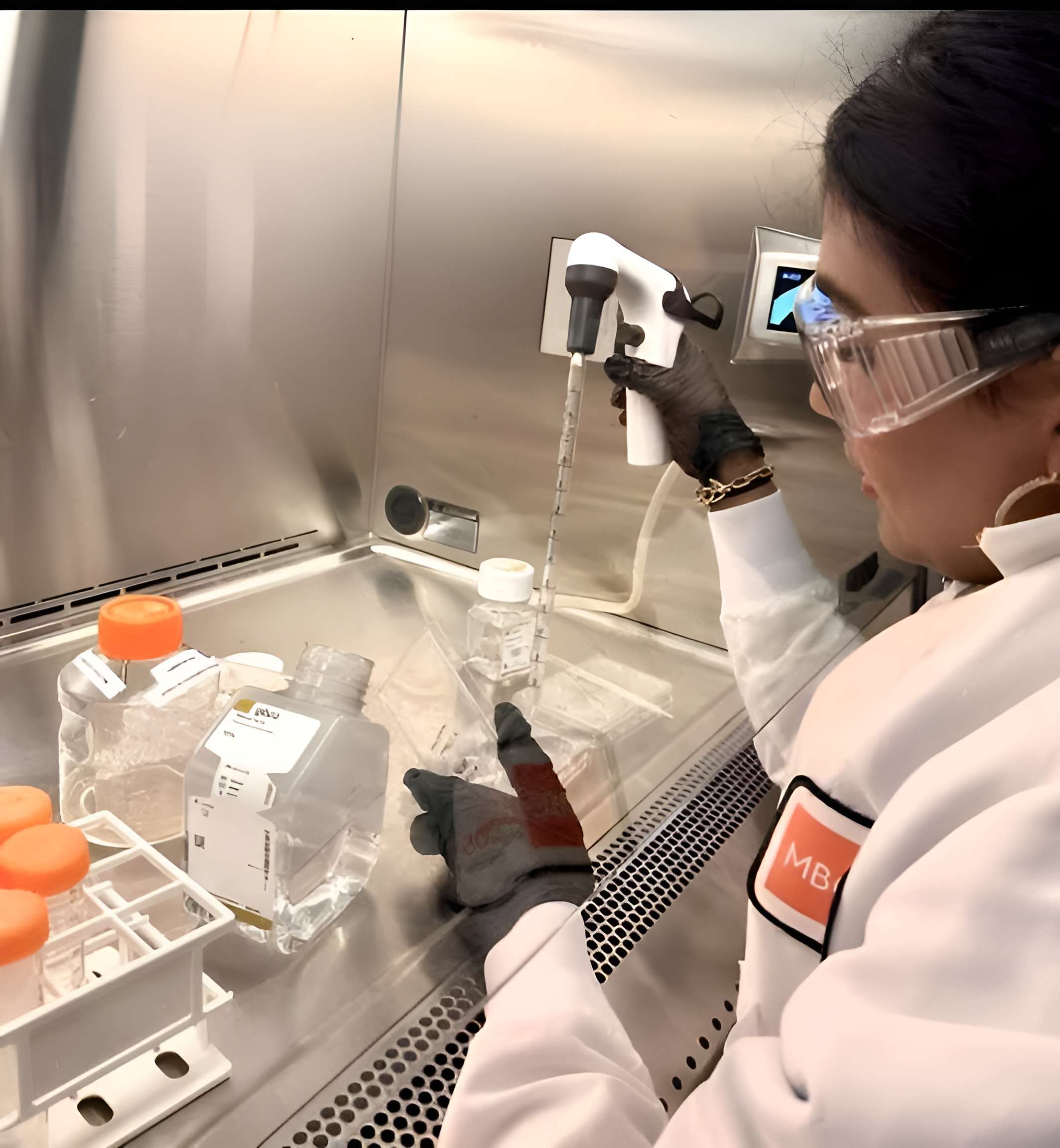
According to the agreement, Precigenetics will sell 11 self-developed "microfluidic environment chips" to Thermo Fisher Scientific with a unit price of up to US$200,000. The remaining US$100,000 in the contract is expected to be used to pay related licensing fees.
Traditional cell analysis often relies on static cell snapshots or directly destroys cells during the detection process. Different from this, Precigenetics relies on its photon artificial intelligence platform called "Cell Cinema", which can maintain the integrity and activity of human living cells in a highly controlled environment, and perform real-time continuous imaging and precise measurement of chemical changes inside the cells, generating approximately 2GB to 3GB of single-cell data every two hours. The microfluidic environment chips sold this time are the core components that carry and nourish these living human cells. They can provide dynamic data feedback of human cell networks in real time through connected optical hardware when a certain treatment plan is applied.
It is worth noting that microfluidic chips are generally not expensive from a manufacturing process perspective. Even taking into account clean room time, mold making, plasma bonding and several hours of labor costs, the unit price of conventional microfluidic chips on the market is generally between US$30 and US$80, and even with high-end glass substrates, the price is usually around US$500.
Even assuming that Precigenetics' microfluidic environment chip integrates exclusive micro-optical sensors and data pipelines, resulting in a single-piece manufacturing cost of up to US$10,000, calculated at a selling price of US$200,000, its gross profit margin can still reach an astonishing 95% or more. Such high premiums and profit margins are mainly due to the core technical barriers and high R&D cost sharing behind them.
This transaction marks the beginning of an in-depth cooperation between Precigenetics and Thermo Fisher Scientific. This has also amazed many people in the industry. The profit potential in the field of biological microfluidics even exceeds that of the current AI chip giants. Perhaps in the near future, living cell microbiology will serve as a new carrier, bringing more possibilities to data storage and computing.