It is reported that Apple is developing an "ultra-thin Face ID component" for the upcoming iPhone Air 2 and folding screen iPhone. This trend is expected to not only change the design of the iPhone in the future, but also introduce a new form of biometric experience to products such as MacBook Pro.
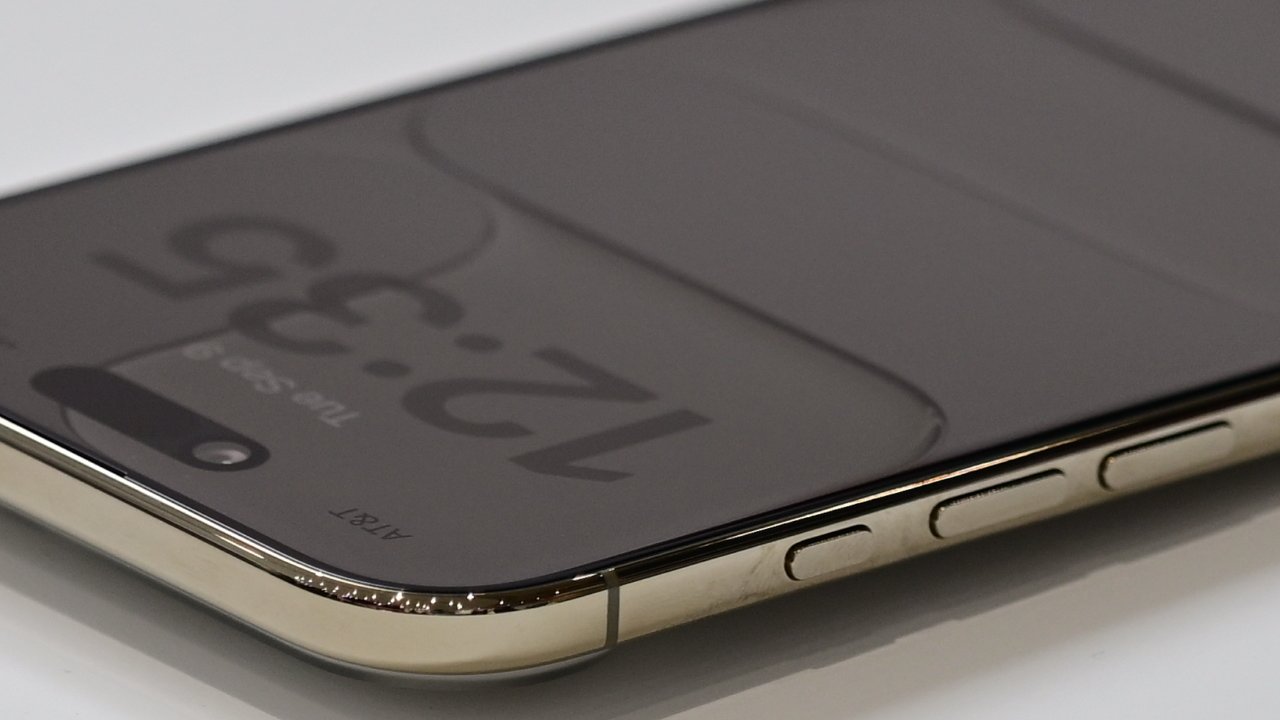
Many sources have previously reported that the key reason why the future folding screen iPhone (i.e. iPhone Fold) is generally believed to use Touch ID instead of Face ID is that the existing Face ID module is too thick, which is not conducive to the folding structure and body space layout. The latest news revealed that Apple is "customizing" an ultra-thin Face ID component in an attempt to fundamentally solve the module thickness limitation and make it more suitable for various forms of devices.
This news comes from the whistleblower "Instant Digital" who revealed on Weibo that Apple is developing an ultra-thin Face ID component, but has not yet disclosed more technical details or mass production pace. Judging from its previous records, this account has a certain degree of credibility in breaking news about Apple-related products, but this time the information about Face ID is still in the early rumor stage.
Regarding the launch time of iPhone Air 2, the rumors are also unclear. Most sources believe that the model will not be launched until 2027, while a few insist that it will be updated in 2026. In terms of appearance and function, existing reports generally predict that the iPhone Air 2 will not undergo drastic changes in visible changes. The appearance will continue to be the current design, and the rear camera may only be upgraded to a dual-camera configuration.
If Apple does succeed in launching a thin enough Face ID module, the beneficiaries will obviously not be limited to the iPhone Air series. On the one hand, a thinner module may bring real Face ID support to MacBook Pro. As early as six years ago, there were many rumors that Apple would introduce face recognition to MacBook Pro and iMac, but it has never been implemented. The thickness and structural space of the module are regarded as important constraints. On notebook products with extremely limited space on the upper edge of the screen, compressing the size of Face ID will be one of the key prerequisites for realizing this function.
On the other hand, the foldable iPhone is also expected to benefit from this hardware evolution in subsequent iterations. Although current rumors generally believe that the first iPhone Fold will only use Touch ID and will not be equipped with Face ID, if the ultra-thin Face ID module is matured and mass-produced on the iPhone Air, then there will be a more realistic engineering basis for the introduction of Face ID in the second generation or subsequent folding models. Industry opinion believes that although the folding screen iPhone is not simply "two iPhone Airs connected together with a hinge", there are indeed similarities in size and structure, which also provides space for component reuse and design collaboration.
As of now, more details about iPhone Air 2 and iPhone Fold are still at the level of rumors, and Apple has not yet given official information on any related product schedule or features. However, judging from the clue of "customizing ultra-thin Face ID components for iPhone Air 2", Apple is obviously trying to further improve sensor integration within the limited body space and lay out facial recognition capabilities for more forms of devices in the future. MacBook Pro and other Mac products are regarded as potential next stops.