As a nurse dies in the line of duty, health officials finally realize a dangerous pathogen is spreading. The disease causing the current growing outbreak in the Democratic Republic of Congo is caused by a rare but extremely deadly "Bundibugyo virus." The epidemic has also exposed that the existing health system is extremely fragile and ill-prepared when faced with diseases that receive little attention in non-emergency times.
Nancy Sullivan, professor of biology and virology, immunology and microbiology at Boston University, explored this vulnerability in depth in a commentary published in the New England Journal of Medicine. She warned that the outbreak should be seen as a wake-up call for public health planning to stop focusing solely on the infectious disease threats that grab the most headlines.
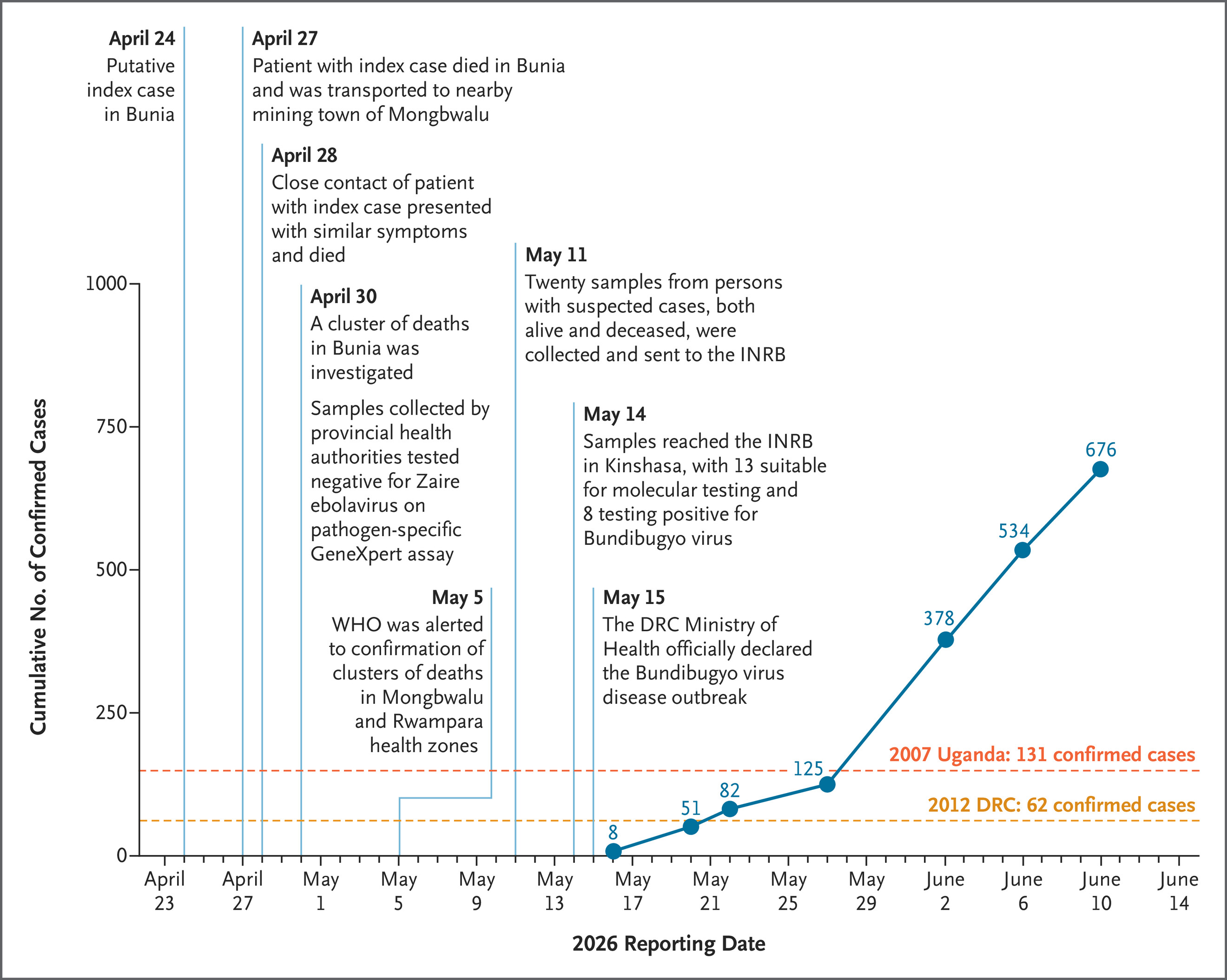
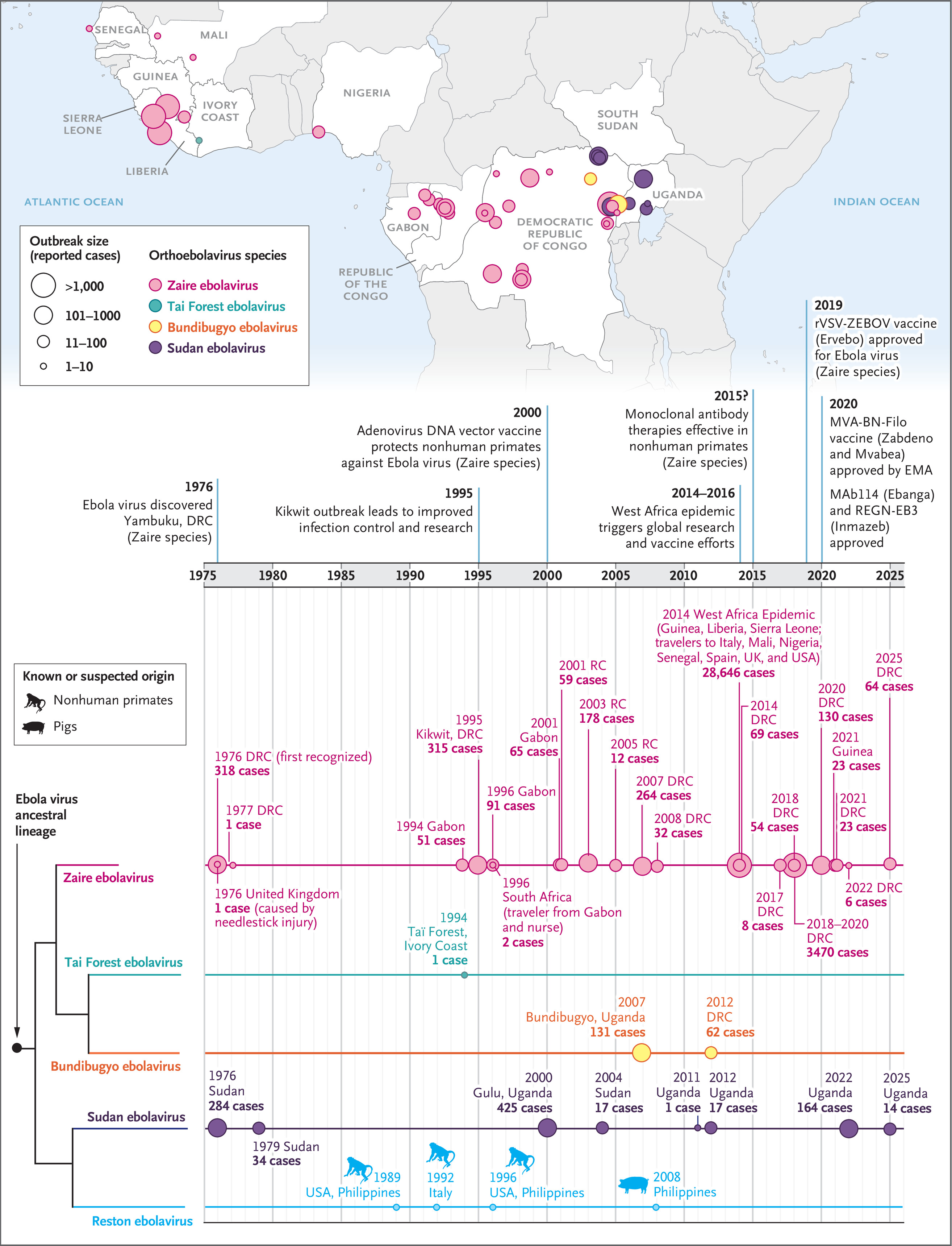
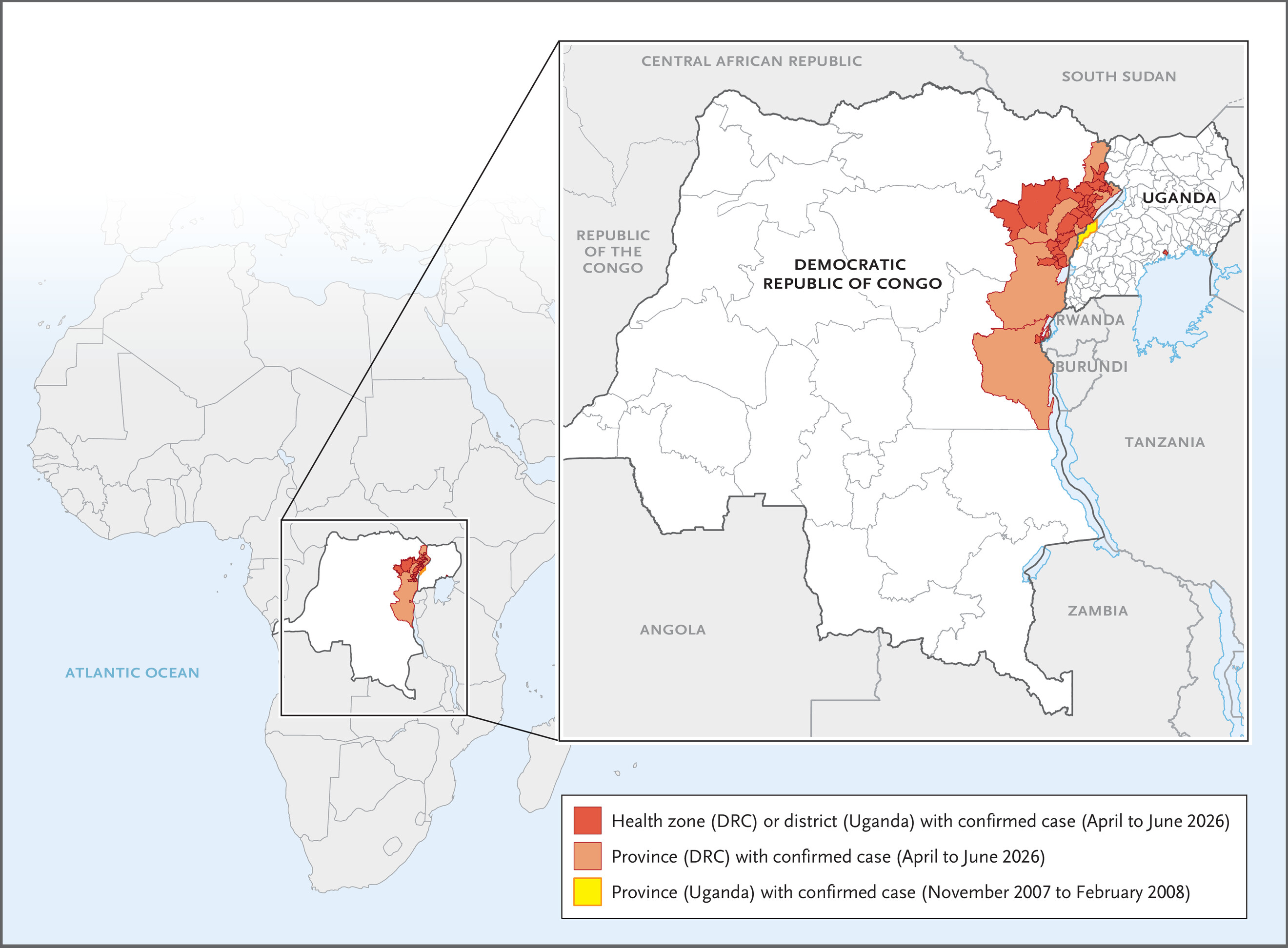
Bundibugyo virus belongs to the Filoviridae family and is the same species as the famous Ebola virus. Before this crisis, health authorities had confirmed only two outbreaks of the virus - in Uganda in 2007 and in the Democratic Republic of Congo in 2012 - but the latest outbreak has surpassed the previous two in terms of speed and scale. According to the World Health Organization, as of June 11, 695 cases have been confirmed in the Democratic Republic of Congo and Uganda, with 138 deaths.
The key to containing viruses like Bundibugyo is speed. Sullivan explained that health care workers must quickly identify infections, isolate patients, track potentially exposed individuals, strengthen infection control measures and provide supportive care. Each of these steps helps cut off a different link in the chain of transmission. However, in areas with limited laboratory resources, simply determining what disease a patient has is time-consuming. Delays in testing can allow infected people to continue to come into contact with family members, caregivers and other patients, allowing the virus to spread further.
Bundibugyo virus causes a severe hemorrhagic fever that causes widespread inflammation, destroys the lining of blood vessels, triggers uncontrollable bleeding, and ultimately leads to multi-organ failure. The virus is spread primarily through direct contact with the bodily fluids of infected people, putting caregivers at extremely high risk, especially within hospitals. In fact, the 2026 epidemic was officially confirmed after a nurse died of infection.
Diagnosis is one of the biggest obstacles currently. Because the early symptoms are very similar to malaria, typhoid fever and several other common diseases, doctors cannot accurately identify Bundibugyo virus solely based on symptoms, and laboratory confirmation is an indispensable step. This demand has created complex logistical challenges in the Democratic Republic of Congo. Because local testing capacity is limited, samples may need to travel long distances to national reference laboratories - centralized facilities equipped to confirm difficult or dangerous infections. Sullivan pointed out in the article that delays in sample collection, transportation and testing may push the time of diagnosis by days or even weeks, which seriously hinders the isolation of infected people, contact tracing and the initiation of epidemic control measures.
The outbreak has exposed a broader weakness in infectious disease planning: Disaster preparedness plans tend to focus resources on the pathogens that are most common or most likely to trigger major emergencies. The outbreak of the Bundibugyo virus demonstrates that this strategy can leave fatal blind spots. After decades of dormancy, the virus has reemerged as a serious threat, underscoring the difficulty of predicting which pathogen will cause the next major outbreak. Sullivan called on us to develop countermeasures that can deal with any virus that has the potential to cause severe illness or death in humans, rather than waiting until a neglected disease begins to spread widely.
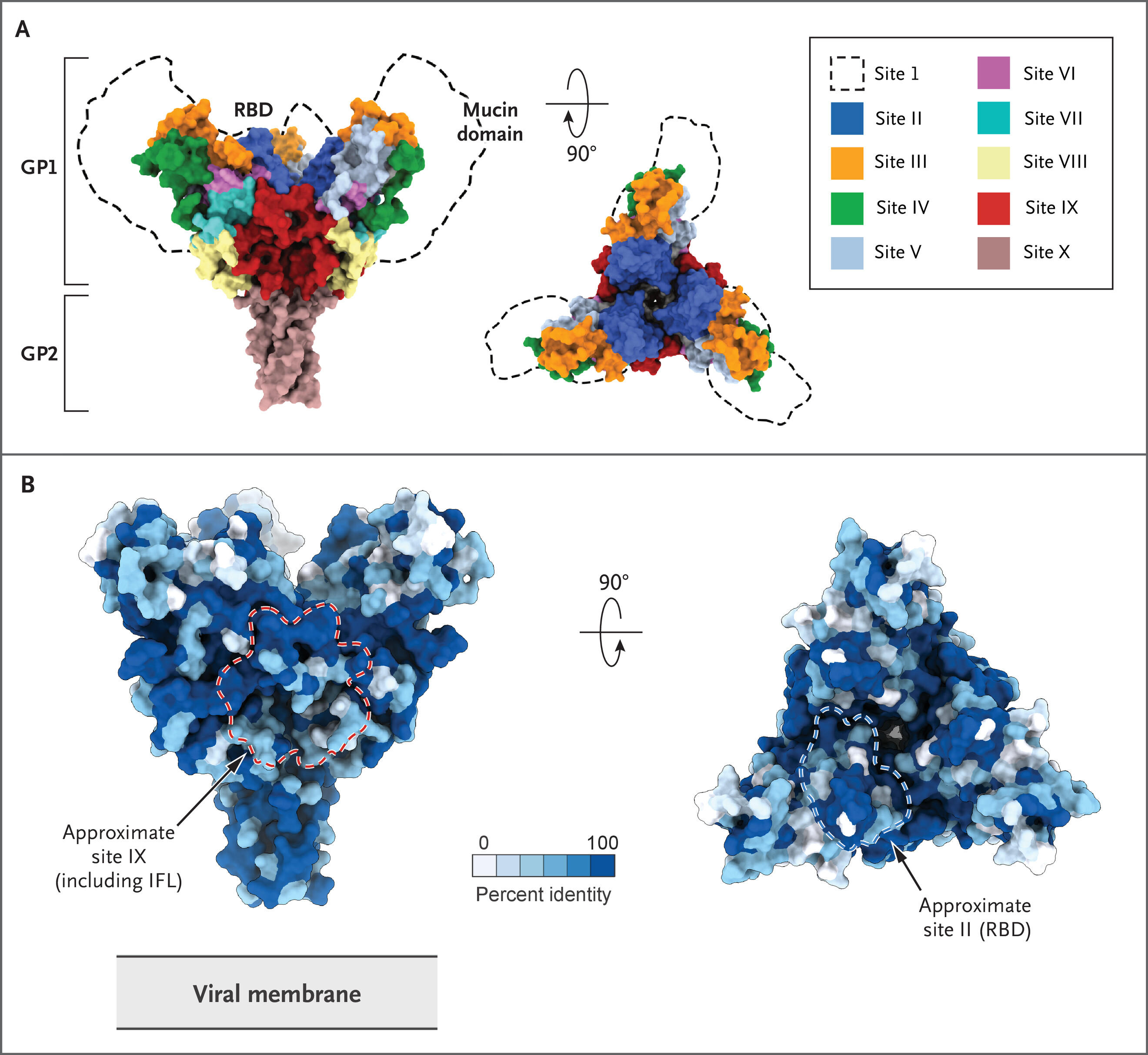
While researchers have made progress on vaccines and treatments for Ebola, Sudan, and Marburg viruses, there are currently no vaccines or treatments specifically developed and approved for Bundibugyo virus due to its infrequent outbreaks. While there is evidence that vaccines designed for other strains of the virus may provide some level of protection, this is not a substitute for dedicated preparation against that specific virus. Sullivan emphasized that future disaster preparedness planning should not be limited to diagnostic tools, vaccines and therapeutic drugs, but should also cover the overall planning and operational preparation for transnational epidemic response.