
Abstract:
The U.S. Mint announced Wednesday that a $1 coin bearing Trump's portrait is now in circulation and available for purchase to commemorate the 250th anniversary of the founding of the United States. This is the first time a living figure has appeared on U.S. currency since 1866.
The coins are sold in packs of 25 or 100, starting at $61. The price per coin ranges from $1.55 to $2.44 depending on the packaging. The obverse of the coin features Trump's portrait and the words "LIBERTY" and "In God We Trust" engraved on it. The reverse features the presidential emblem and the number "250" engraved on the shield.
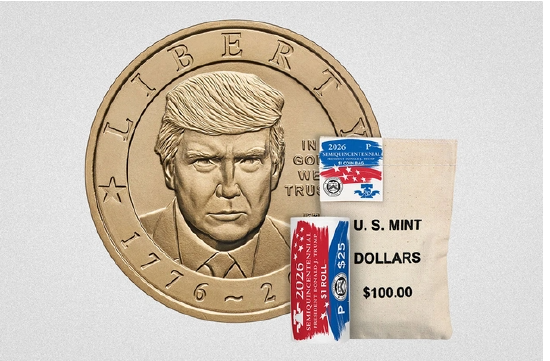
The coin’s circulation marks a victory for the Trump administration. The United States has followed a centuries-old practice of banning the image of living figures from appearing on its currency, and the Trump administration has been working to put the president's portrait on U.S. currency.
This is also the latest move by the administration to solidify the presidential seal into the national symbology: His name or likeness has previously been used on buildings such as the Kennedy Center, banners hanging in federal buildings, passports, national park passes, and last year’s launch of the million-dollar “Gold Card” visa.
In 1866, after the portrait of a Treasury official was printed on the 5-cent bill, Congress enacted legislation prohibiting the appearance of portraits of living persons on “notes, bonds, or securities.” In 2020, Trump signed a bipartisan bill authorizing the Treasury Department to issue a $1 coin in 2026. The design of the coin must reflect the 250th anniversary of the founding of the United States.
Trump has also proposed issuing a $250 bill bearing his likeness, a move that, if successful, would make him the first living person to appear on U.S. paper currency in hundreds of years.
The new $1 coins were unveiled earlier this week during the G20 summit in North Carolina, where U.S. Treasury staff distributed some of the coins to their foreign counterparts.
Comments