
Abstract:
At the IFA 2026 Consumer Electronics Show in Berlin, Germany, Acer officially released the new EP130K portable e-paper display. This product brings the e-paper technology in traditional e-book readers into desktop office scenarios. It not only supports color display and touch operations, but also has a relatively rare 60Hz refresh rate among e-paper devices. It is aimed at professionals who work with screens for a long time, heavy reading users, and mobile office groups who often work outdoors.
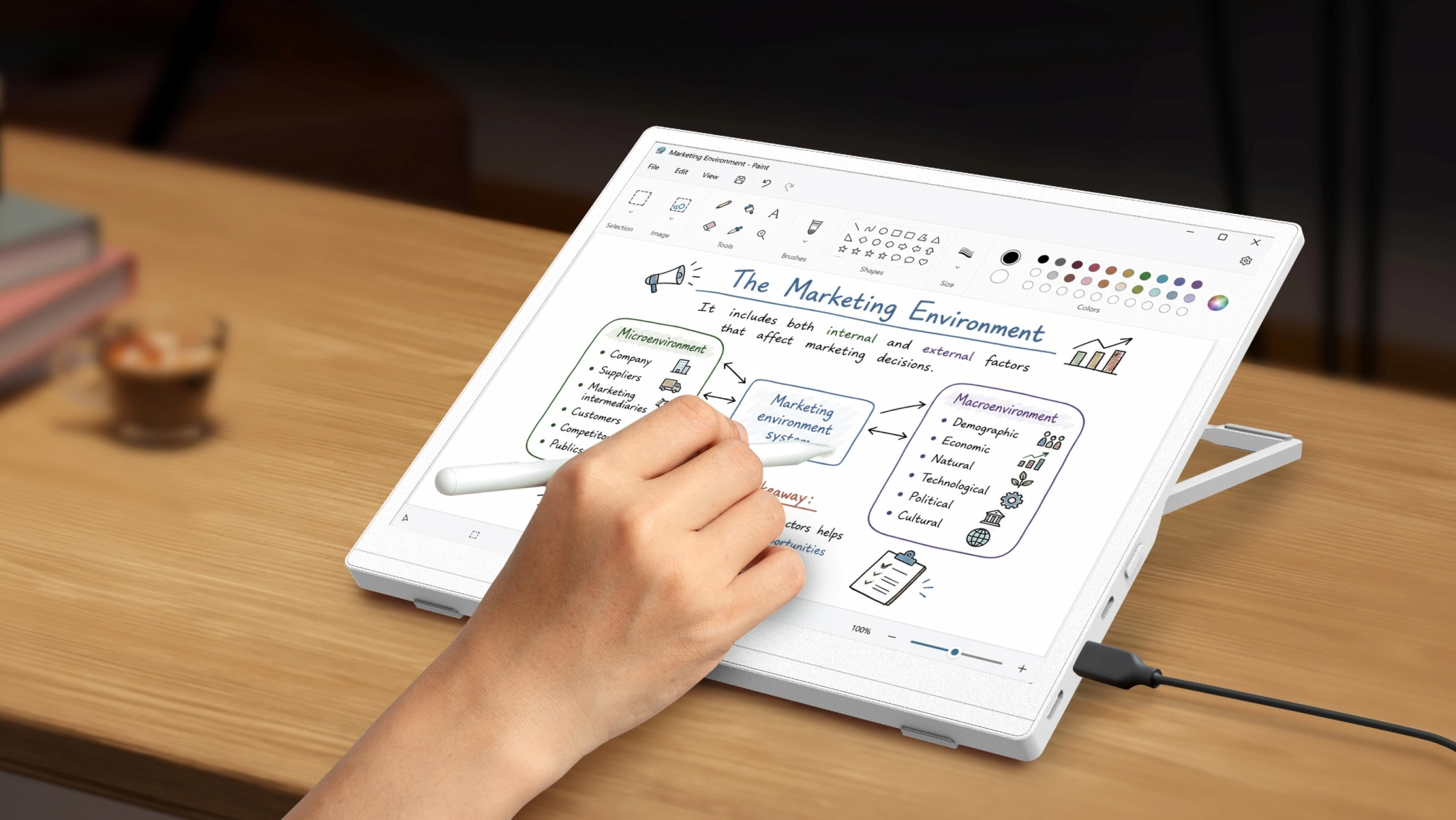
Over the past few years, e-paper technology has gradually expanded from e-book readers to smartphones and professional displays. Compared with traditional LCD and OLED screens, the biggest advantage of electronic paper is that the visual effect is closer to paper, and there is no backlight glare and blue light interference. Therefore, it is regarded by many people who need to read documents for a long time as an important choice to reduce visual fatigue. Previously, this market segment was mainly occupied by professional manufacturers such as Dasung and Bigme. Now, the addition of Acer, an international PC brand, is also regarded by the outside world as an important signal that the e-paper display market will further move towards the mainstream.
EP130K uses a 13.3-inch matte e-paper panel and supports direct touch operations. Users can navigate and write with their fingers, or use a stylus to record, annotate and draw. Acer positions it as an auxiliary display device for reading, note-taking, document processing, and long-term focused work.

In black and white mode, this screen has a maximum resolution of 3200×2400, corresponding to a display accuracy of approximately 308 pixels per inch, which is enough to clearly present dense text, small font content, and various detailed information. After switching to color mode, the resolution drops to 1600×1200, able to display 4096 colors. According to reports, this product uses E Ink Kaleido 3 color electronic paper technology and is mainly used for charts, markers, highlighted content and light color office scenes, rather than for audio-visual entertainment needs.
The refresh rate is one of the most eye-catching parameters of the EP130K. Whether in black and white or color mode, the official claims to support a refresh rate of up to 60Hz. For e-paper devices that have long been known for their slow refresh, this specification is quite rare and is expected to significantly improve smearing and lag during scrolling, cursor movement, and interface operations. Acer also announced 20 millisecond grayscale response time data. However, since e-paper uses completely different display principles from traditional LCDs and OLEDs, its actual use experience still needs to be further verified by subsequent independent tests.

Due to the elimination of backlight design, EP130K does not produce blue light exposure and reflection problems that are common with traditional monitors. In a sunny environment, its readability is even better than most ordinary monitors, so it is especially suitable for outdoor office, mobile work and long-term reading scenarios. However, like all electronic paper products, it still relies on ambient lighting, and the visual effect in dim environments will be affected to a certain extent.
In terms of connection, EP130K uses a single USB-C cable design, which simultaneously undertakes power supply and video signal transmission functions, further improving the convenience of mobile use. The unique "bi-stable" display mechanism of e-paper is also a major feature. Even if all power connections are disconnected, the last picture on the screen can still be displayed, without the need to continuously consume power to maintain static content.
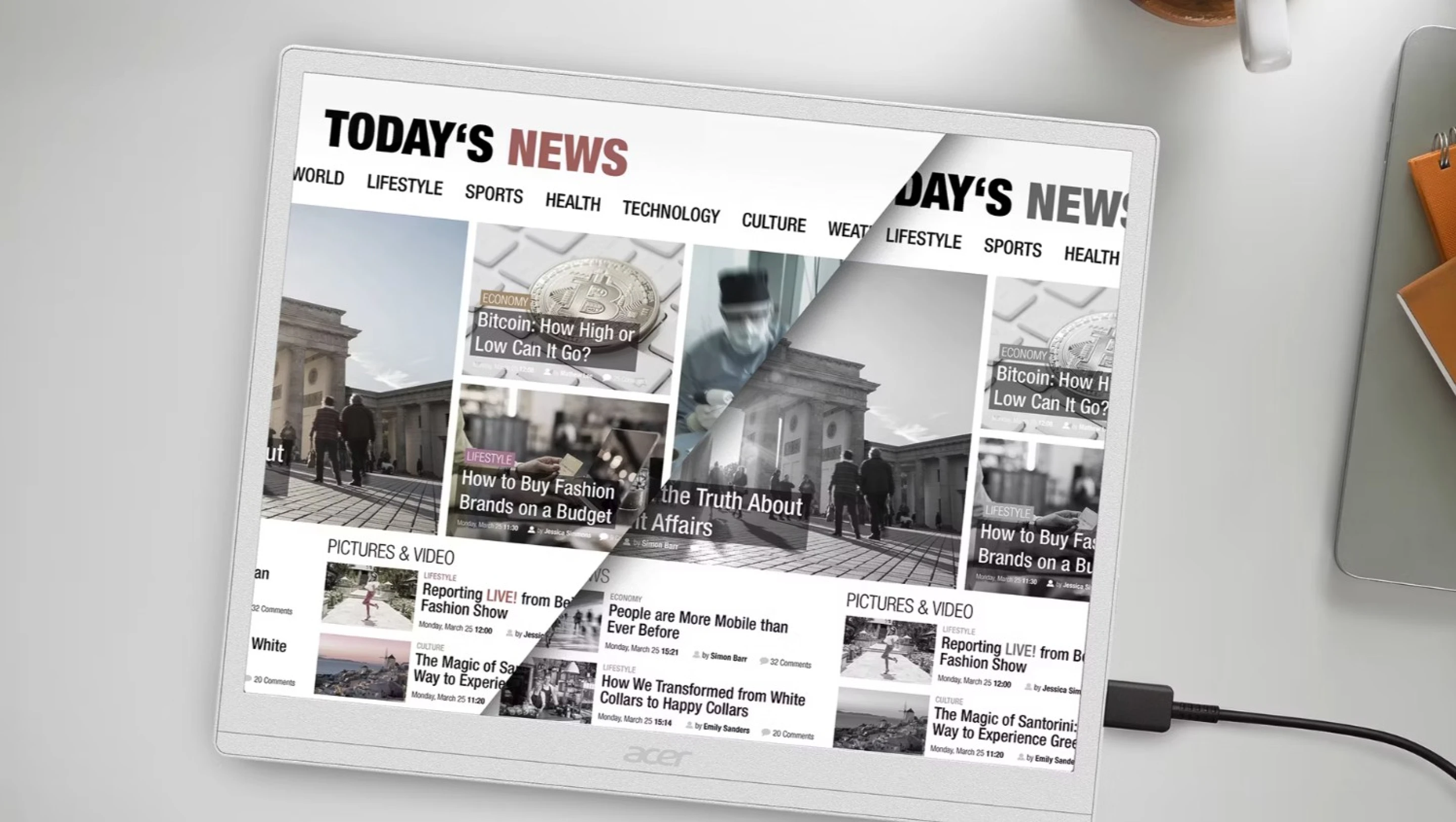
Acer said that the EP130K is designed to provide users with a reading experience close to real paper, while taking into account the touch interaction capabilities required for modern digital offices. As more and more users face screens for more than ten hours a day, reducing visual fatigue and improving concentration efficiency are becoming important directions for the development of display devices, and e-paper displays are gradually moving from niche products to a broader office and productivity market.
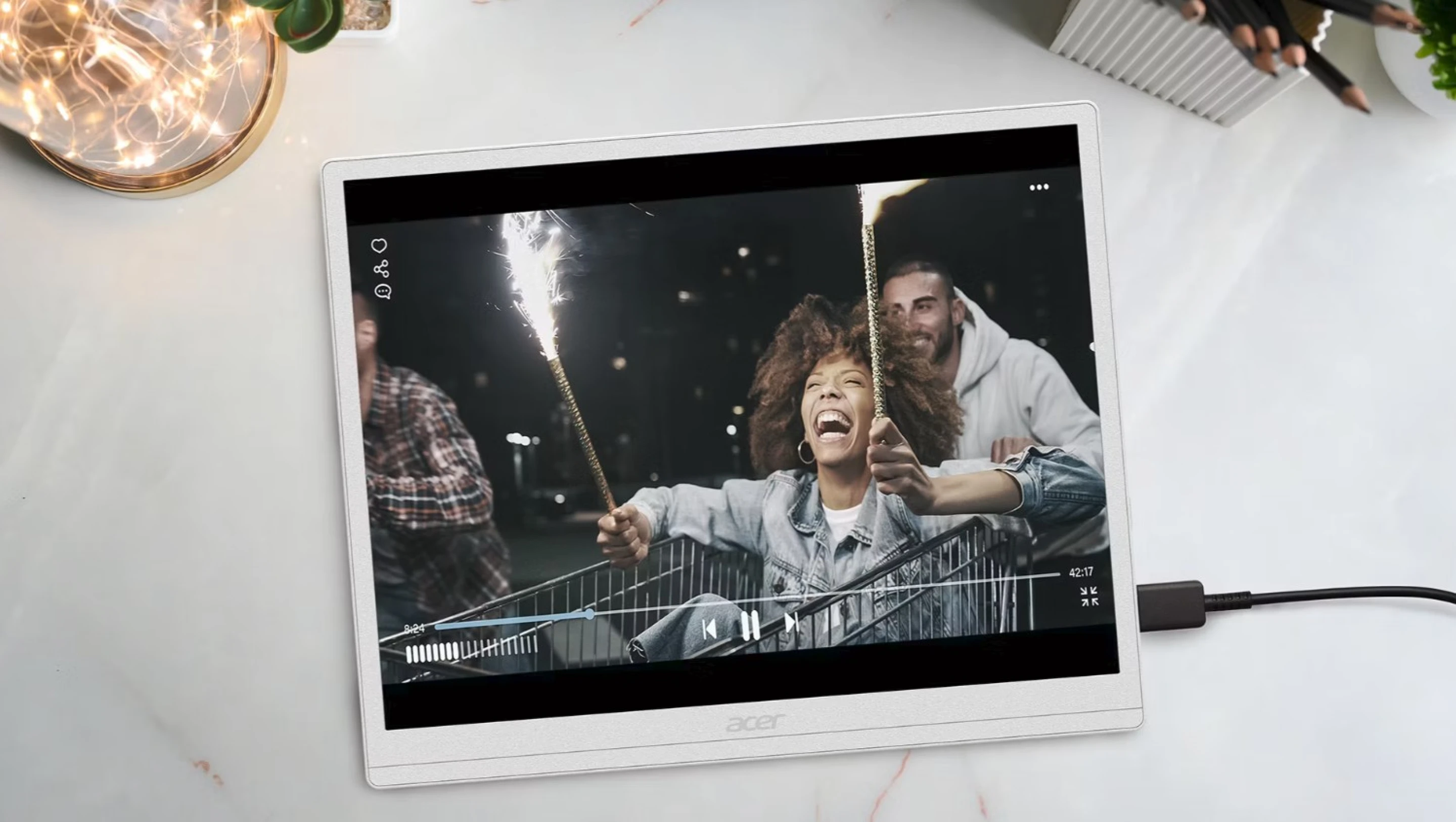
Although e-paper displays cannot temporarily replace traditional displays for audio-visual entertainment and high-speed dynamic image display tasks, for scenarios such as document reading, thesis research, programming development, text editing, and note-taking, products like EP130K are providing a new option that is completely different from traditional displays. Acer's entry into this field also means that e-paper display technology is expected to gain wider market attention and promote the accelerated popularization of related products.
Comments