
Abstract:
Targus released the DOCK402TT USB-C mobile docking station, which integrates the docking station and gallium nitride (GaN) charger into the same device, targeting business trips, hybrid offices and temporary meeting scenarios. After plugging into the wall power supply, users can connect the notebook through a USB-C cable and use external monitors, wired networks and peripheral devices at the same time, without the need for separate chargers and docking stations.
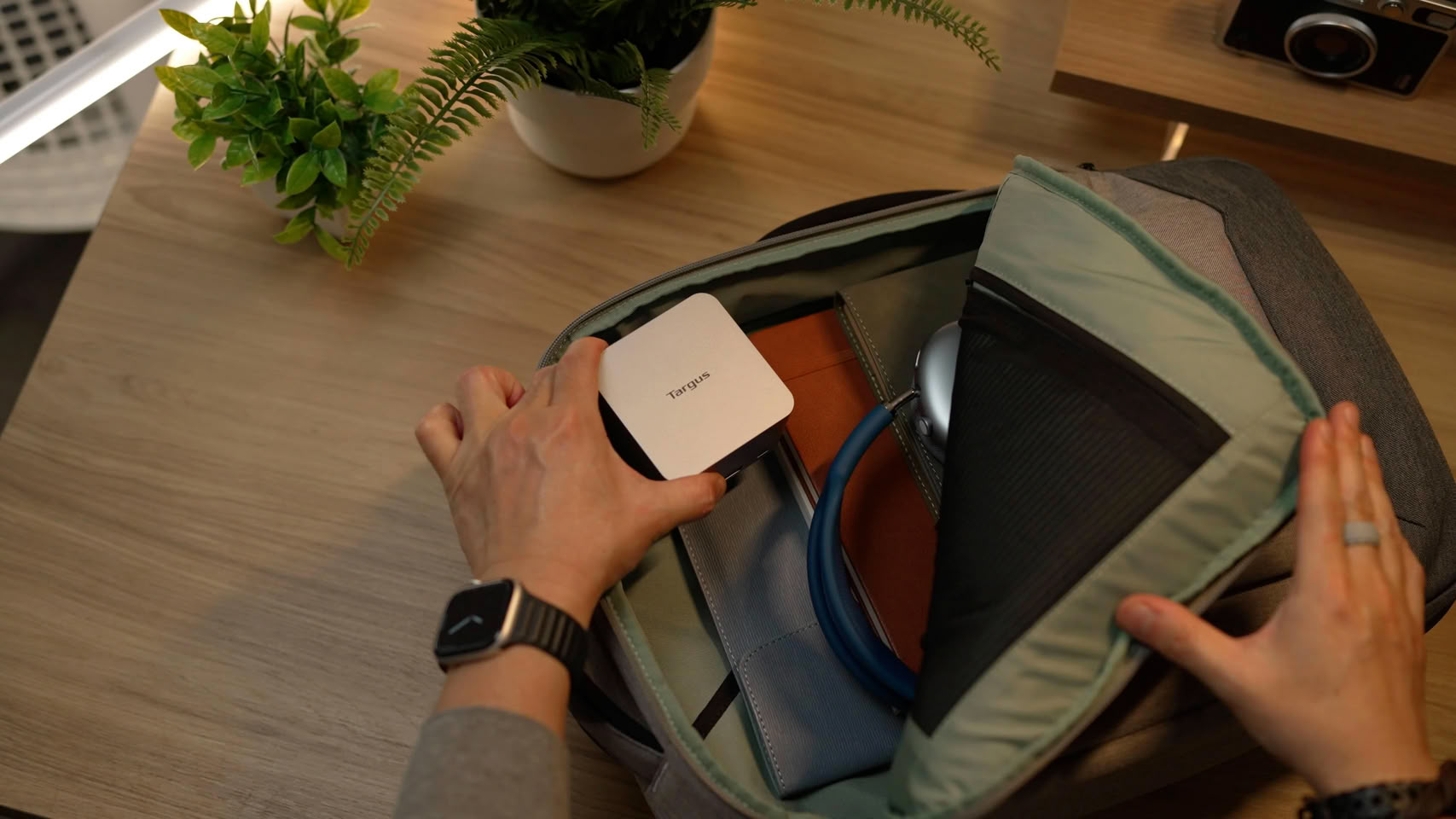
DOCK402TT is equipped with an HDMI interface that supports up to a single 8K, 30Hz display; there are also two USB 3.2 Gen 2 Type-A interfaces and one USB 3.2 Gen 2 Type-C interface. The data transmission rate of the three is up to 10Gbps, and it provides a Gigabit Ethernet interface. The device uses USB-C DisplayPort Alt Mode to output video. There is no need to install a special driver, but the computer's USB-C interface must support this video mode.
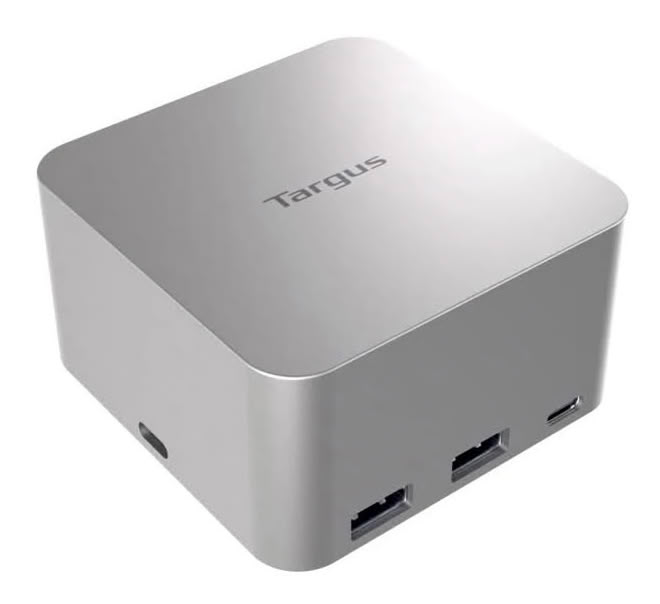
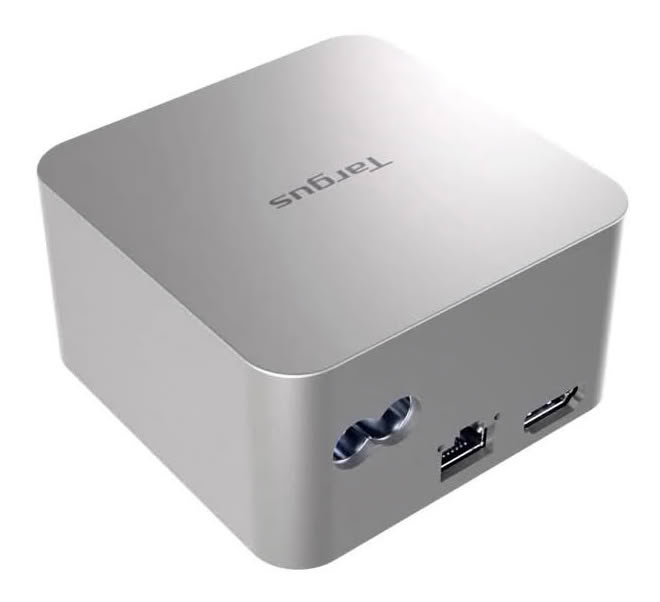
The built-in GaN charger can provide up to 140W USB PD 3.1 EPR power supply to compatible devices; hosts that support USB PD 3.0 can negotiate up to 100W. 140W is the maximum power supply capability of the device, and power is dynamically allocated when connecting peripherals; Targus explains that when all three downstream USB ports are in use, the notebook can obtain up to 100W of power. If there is no wall power supply, the docking station can be powered by the host USB-C, but it cannot charge the laptop. The actual available interface functions also depend on the power provided by the host.
This product is compatible with Windows, macOS, iPadOS, Android, Chrome OS and Linux devices. The body size is approximately 7.95 × 7.95 × 5.08 cm, and the weight is approximately 0.37 kg. It comes with a USB-C host cable and power cord; the body uses up to 75% post-consumer recycled aluminum and plastic, and provides a three-year limited warranty.
DOCK402TT is now on sale on the Targus official website and participating retailers, with an official price of $139.99. To achieve 8K output or 140W charging, the host port, equipment and cables still need to have corresponding specifications and support.
Comments