
Abstract:
American company Nex Computer announced the latest progress of NexPhone. The phone is planned to offer different usage modes between Android, Debian Linux and Windows 11, and can be used as a desktop computer by connecting a monitor, keyboard and mouse. The company currently expects to start shipping to pre-order users from the end of the first quarter of 2027, that is, around March, at least four months later than the previously expected November 2026; this time still depends on subsequent hardware verification, certification and mass production preparations.
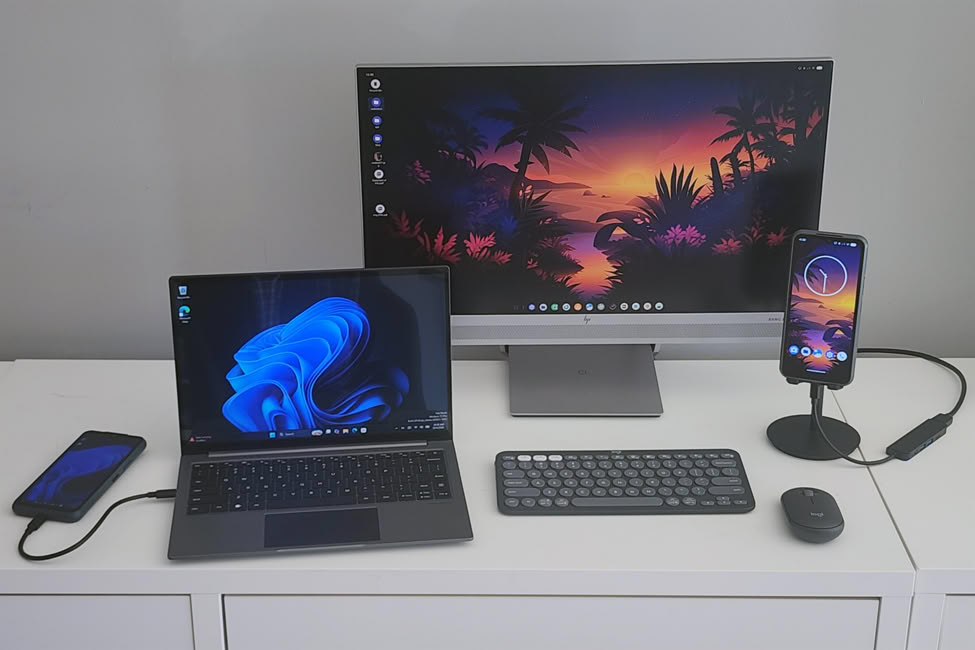
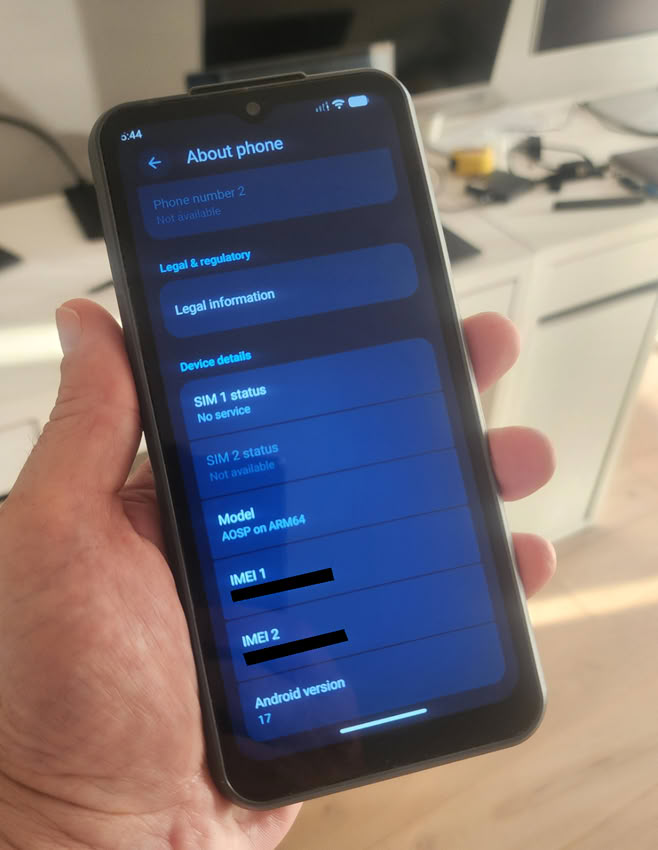
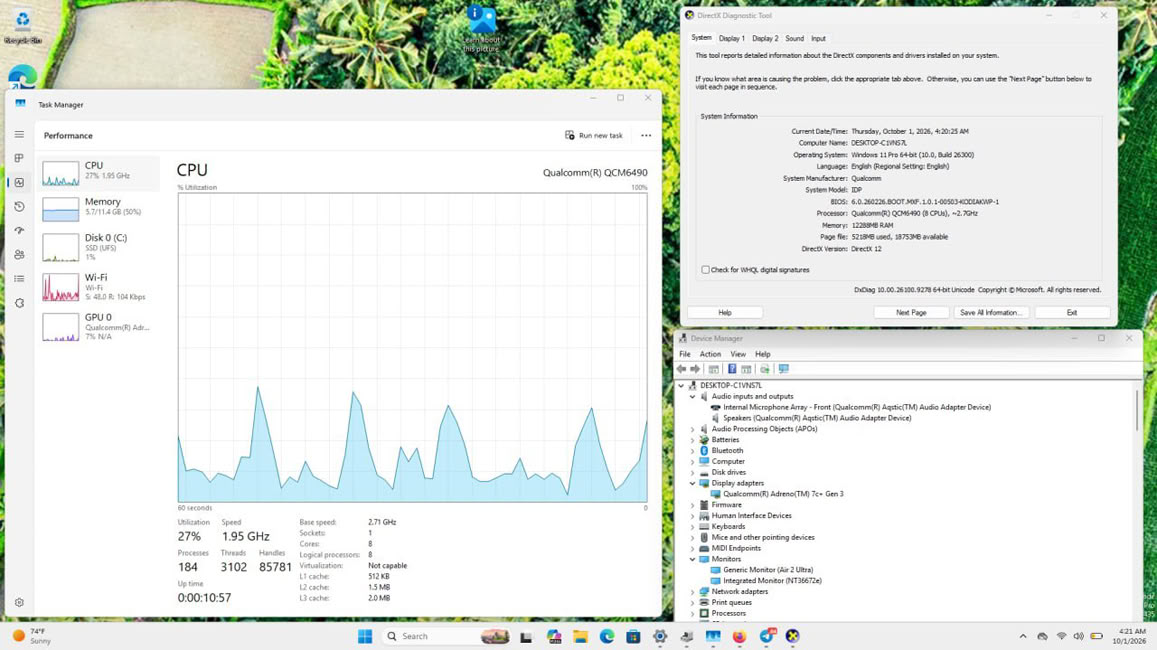
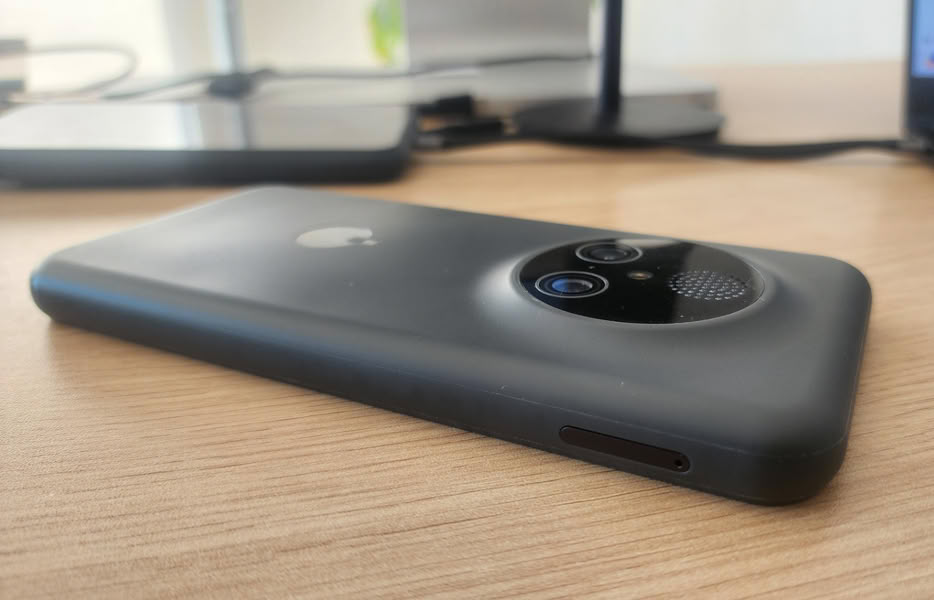
NexPhone uses the Qualcomm QCM6490 platform and is equipped with an eight-core processor, including a high-performance core up to 2.7GHz, three performance cores up to 2.4GHz, and four energy-efficiency cores up to 1.9GHz. The graphics part is Adreno 643 at 812MHz. The whole machine provides 12GB of memory and 256GB of storage, and supports microSD cards up to 512GB. The body uses a polycarbonate shell and a non-slip rubber texture surface, with dimensions of 173×82.6×13.1 mm and a weight of 256 grams. The screen is a 6.58-inch LCD with a resolution of 1080×2403, a pixel density of 403PPI, a refresh rate of 60 to 120Hz, and is covered with Corning Gorilla Glass 3.
Image configuration includes a rear 64-megapixel Sony IMX787 main camera, a 13-megapixel Samsung ultra-wide-angle camera, and a front-facing 10-megapixel selfie camera. The phone has a built-in 5000mAh battery and supports up to 18W wired fast charging and wireless charging; video recording is up to 4K 30 frames, and it also supports 1080p 60 frames and slow-motion shooting. Connectivity features include dual 5G SIM cards, Wi-Fi 6E, Bluetooth 5.2 LE, NFC and USB-C 3.1, and supports GPS, Beidou, Galileo and GLONASS positioning. The officially marked body protection levels are IP68 and IP69K, and it is said to meet MIL-STD-810H durability standards.
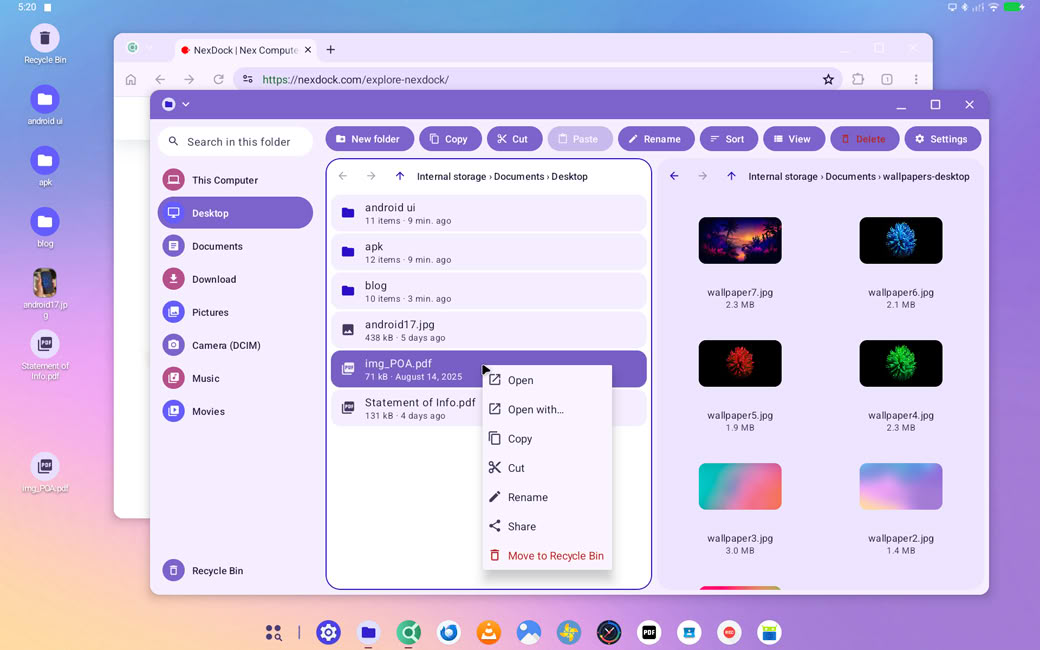
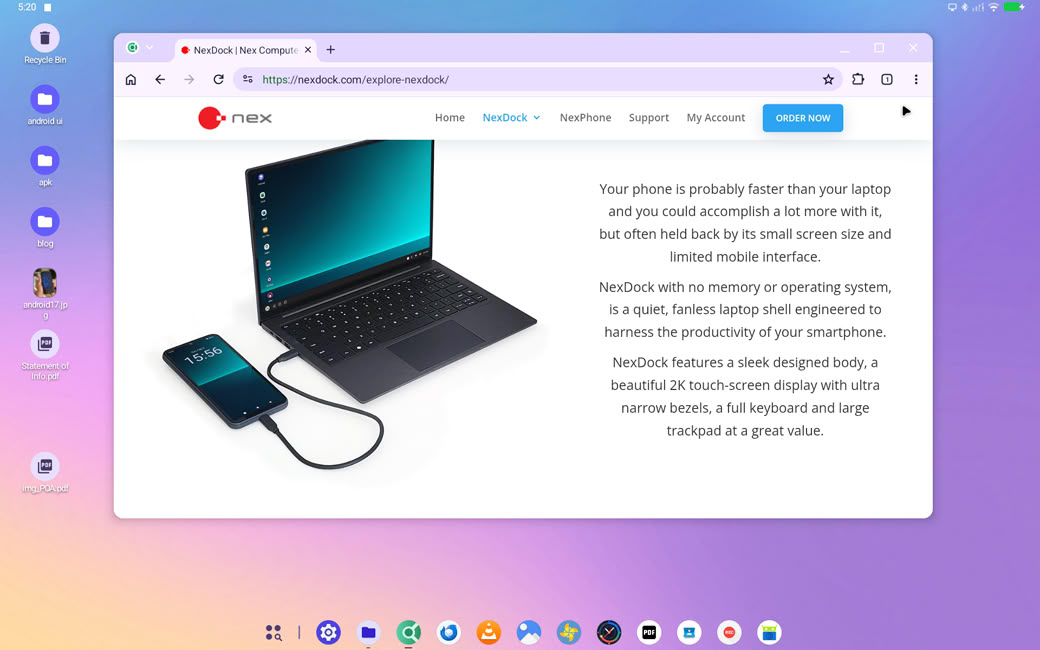
In terms of software, the phone is scheduled to run Android 17 when shipped from the factory; users can start the Debian Linux environment in Android without restarting, and the manufacturer claims that Linux supports hardware acceleration. After connecting to an external monitor, users can choose Android desktop mode or Linux desktop environment; Windows 11 enters a dual-boot system by restarting, and is equipped with an interface designed for mobile phone operation. The latest development log shows that Android 17 is already running on the engineering prototype, and the Android desktop has also added a desktop that can directly place files and folders, as well as a dual-column file manager File Drawer.
However, Windows 11 support is still an important part of the project to be completed. Nex Computer stated that the team is still developing drivers to improve Windows' support and stability for mobile phone hardware. Although the Microsoft processor support list lists QCM6490, it indicates that this model is only suitable for IoT Enterprise. Therefore, the inclusion of the processor in the list cannot be equivalent to the fact that this phone has completed Windows 11 certification. The Linux and Android systems themselves are still being polished, and the final shipping functions may be adjusted as development progresses.
New booking users currently pay a deposit of US$199 to lock in a total device price of US$599, and the balance will be paid upon delivery; users who previously booked for US$549 or US$599 can also retain the originally locked price. Nex Computer expects the official retail price to be higher than the current pre-order price, but has not yet announced the final suggested retail price. Reasons for the delay include the performance of the antenna in some low-frequency bands, interference near the USB interface, as well as problems with the casing, mold, surface texture and parts fit. The team said it is still undergoing hardware improvements and pre-mass production verification.
Comments