
Abstract:
Charles Lamanna, executive vice president of Microsoft Copilot, Agents and Platform Business, said that with the increasing popularity of artificial intelligence agents, the "main customers" of a large number of software and technology products will no longer be humans, but AI agents. He believes that software interfaces, interfaces and business models must all be adjusted for this. Although engineers have less time to write code, they need to think more deeply about system design, verification, testing and security release than before.
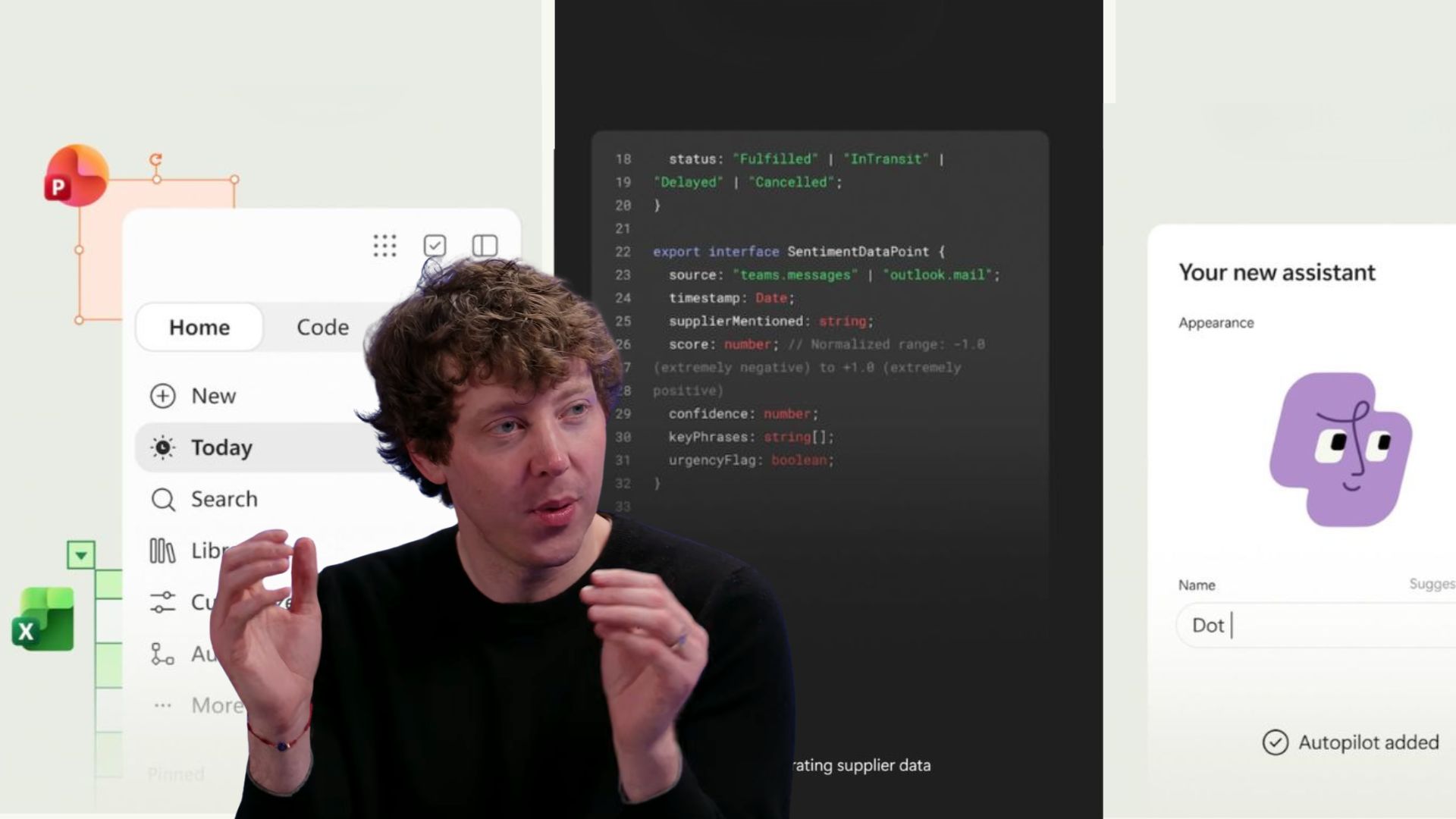
LaManna recently made the above judgment in an interview with Peter Young, who has worked for Microsoft, Facebook, Twitch, Reddit and Roblox. "I think it's inevitable that over time the primary client for a lot of software and technology will be agents," he said. That's not far-fetched, and he himself is already using the Copilot Cowork agent to review Microsoft's GPU capacity and conduct budget planning.
Microsoft’s judgment is also reflected in changes in the developer ecosystem. LaManna pointed out that the 14-fold increase in GitHub's load is obviously not due to the simultaneous 14-fold increase in the number of global developers. The Octoverse 2026 report released by GitHub shows that in September this year, more than 40% of the pull requests initiated by agents reached 110 million times, while this proportion was only 17% in March this year.
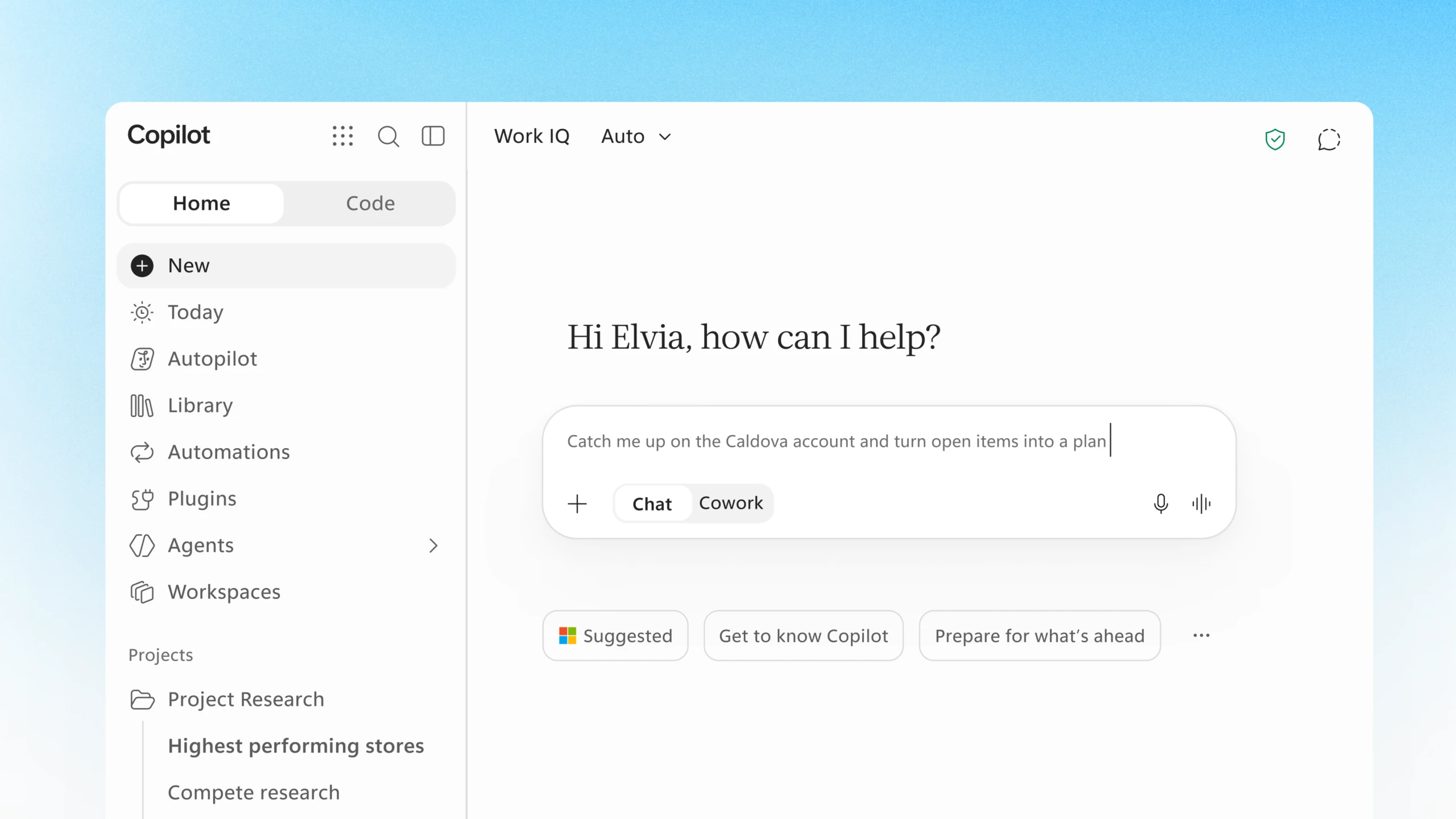
Ramanna said agents are "very demanding customers." They strive for optimal performance and greater programmability, and their preferences do not always align with human users. Take search as an example. Humans usually only need 10 results, because no one wants to read thousands of content; but the agent does not care about the number of results, it can handle thousands of returned results. Therefore, Microsoft believes that APIs, user experiences and even product forms will begin to evolve, and models more suitable for use by intelligent agents will be added.
The outside world has also noticed that this change may reshape the interaction logic of commercial software. Some comments point out that the agent may simply skip the pricing page that says "Contact Sales"; others believe that dissatisfied human customers may complain but continue to use the service, and that once the agent is dissatisfied, it may simply stop sending orders to the enterprise.
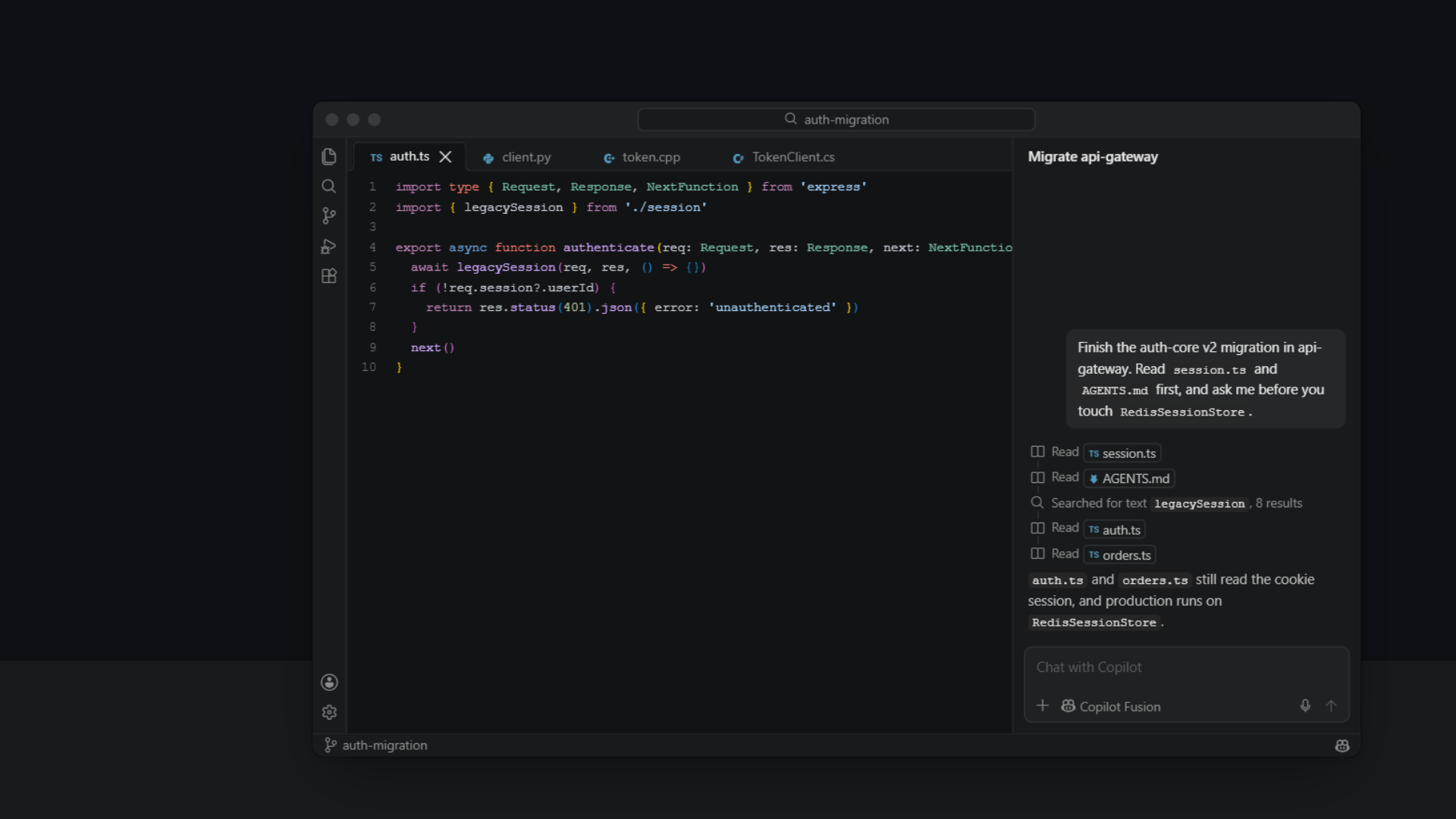
LaManna had previously made similar predictions at the IA40 Summit in Madrona. This idea also echoes Microsoft CEO Satya Nadella’s vision that there may be 20 million AI agents working together with Microsoft employees in the future.
However, Lamanna also admitted that current AI products are overly designed around the working style of software engineers and may not be suitable for a wider range of knowledge-based work. “We overfit AI to the way software engineers work, rather than other knowledge work,” he said. Programming has historically been a relatively solitary profession: developers create branches, work alone for days, and then submit pull requests. But that’s not the case with sales and finance. If a salesperson doesn't interact with anyone for several days in single-player mode, he's probably not a good salesperson, LaManna said.
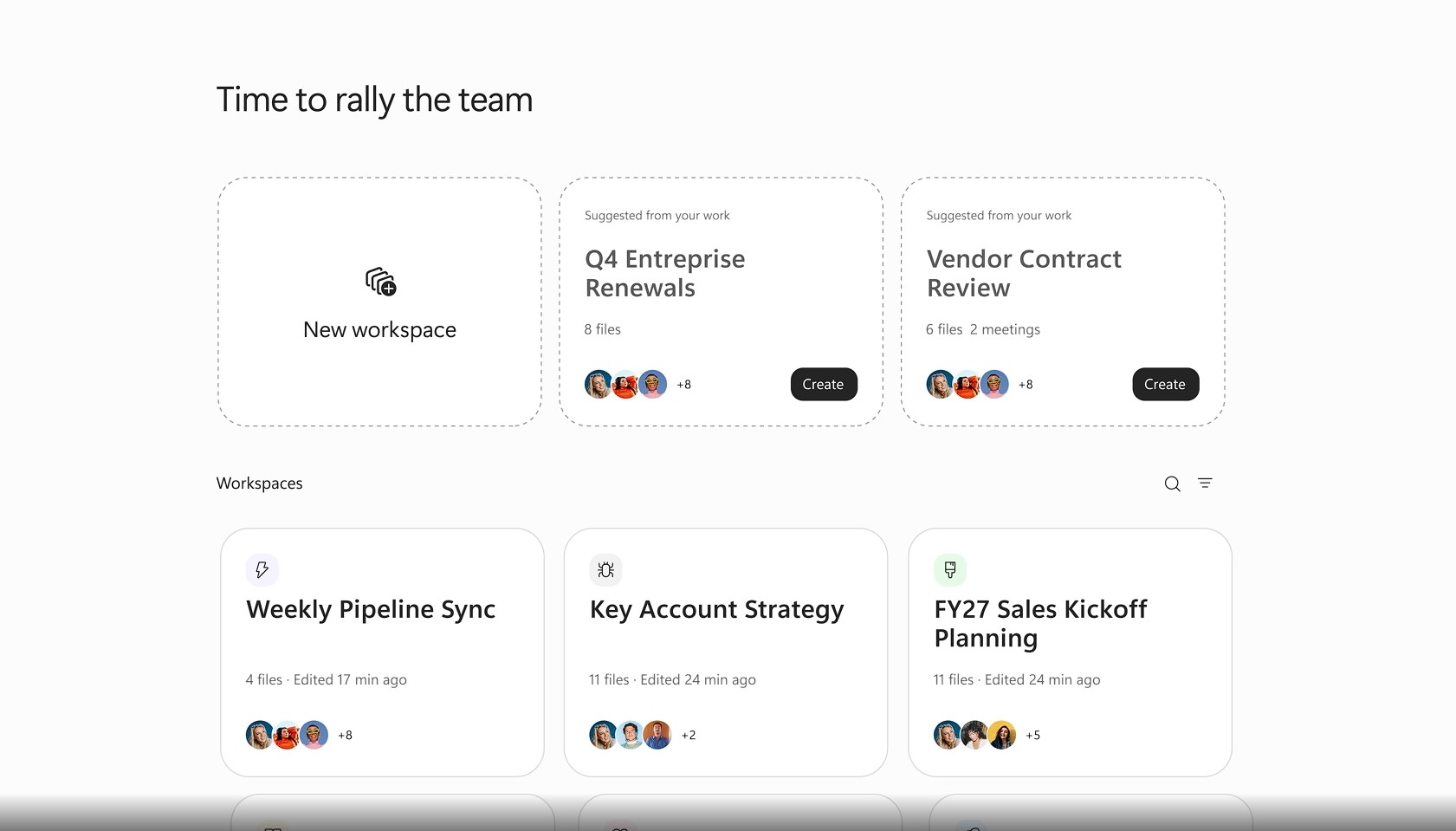
To solve this problem, Microsoft released Copilot Workspaces at last week's Ignite conference. As users prepare customer proposals or respond to supply chain disruptions, the feature suggests the right people and agents to bring on board to drive collaboration. LaManna also said he doesn't think Copilot will replace Office. Even though Microsoft has integrated Word, Excel and PowerPoint into the new Copilot application, he still believes that traditional applications will not lose value as a result. He said: "I want to move a text box eight pixels to the left, and I just want to click and drag. Does that mean these applications are no longer important? I don't think so."
Talking about engineers’ nostalgia for writing code by hand, Ramana compared the changes brought about by AI to the evolution from assembly language to compilers, garbage collection mechanisms and serverless computing. He said: "Software engineers have been through it all. People used to write assembly code by hand, and then with compilers, people stopped doing that. If you met a software engineer in 1990 and showed him what can be done on Azure or AWS today, he would say, 90% of my job has been replaced. But there are more software engineers, and they are more important."
LaManna said that his most "AI-embracing" team may no longer write code line by line, but they will pay more attention to system design, verification, testing and safe release. "I feel like I've never had to think so deeply. It's a different ability," he said.
This view has also caused controversy. Some people countered that the compiler would not "hallucinate" a database migration that would crash the production environment, and Microsoft has repeatedly admitted that AI agents may hallucinate. Therefore, the tedious but critical inspection work will still fall on the engineers.
Ramanna believes that writing code no longer takes up too much time, and the time saved mainly goes to coordination work. To this end, he writes a 20-page memo every six months and uses A/B experiments to resolve arguments. He also proposed the "etiquette" for using AI in the workplace: If you are not willing to spend the energy to write 10 pages of content, you should not generate 10 pages of content and send it to 10 people. He said: "The right direction is definitely not to generate more things for people to read."
This sentiment also resonates on social media. It was pointed out that Outlook still retains the "Draft with Copilot" button, contrasting Lamanna's stance on wanting to reduce AI-generated text. However, the article believes that even if AI can write a 10-page report in a few seconds, someone will eventually need to read it; and the attitude of the person in charge of Microsoft Copilot shows that he does not want that person to be a reader.
Comments