
Abstract:
Microsoft plans to gradually replace more third-party drivers with self-developed general-purpose drivers in Windows 11, giving priority to hardware categories such as printers, audio, and cameras. The goal is to reduce system crashes, blue screens, and security attack surfaces caused by a single driver failure.
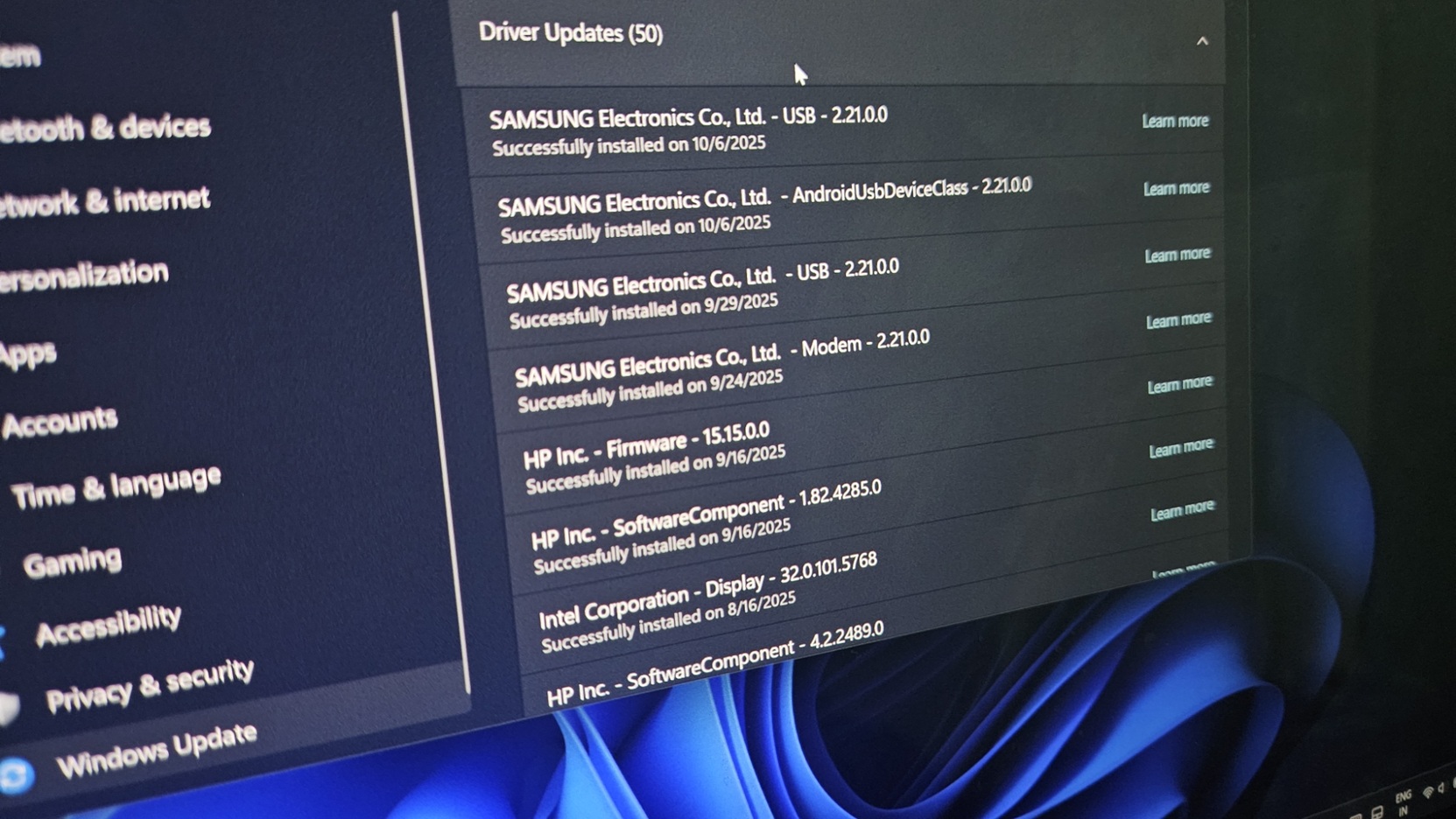
Microsoft disclosed this direction at the Ignite 2026 conference. The company stated that Windows has long relied on tens of thousands of driver families maintained by thousands of partners, and the hardware ecosystem is highly fragmented; there are often a large number of driver versions from different manufacturers for the same type of devices. Once one of the drivers is wrong, it may cause Wi-Fi and Bluetooth to malfunction, or even crash the entire computer.
Microsoft does not intend to force the replacement of all PC manufacturers or hardware manufacturers' drivers, but hopes to create higher-quality built-in drivers and encourage manufacturers to adopt them directly when feasible. The so-called class driver refers to a universal driver that provides basic functions for a certain type of hardware. For example, when a user plugs in a compatible keyboard or mouse, Windows can often recognize and use it immediately because the system has built-in corresponding class drivers. Vendors can still provide their own drivers for custom functionality, higher performance, or special features.
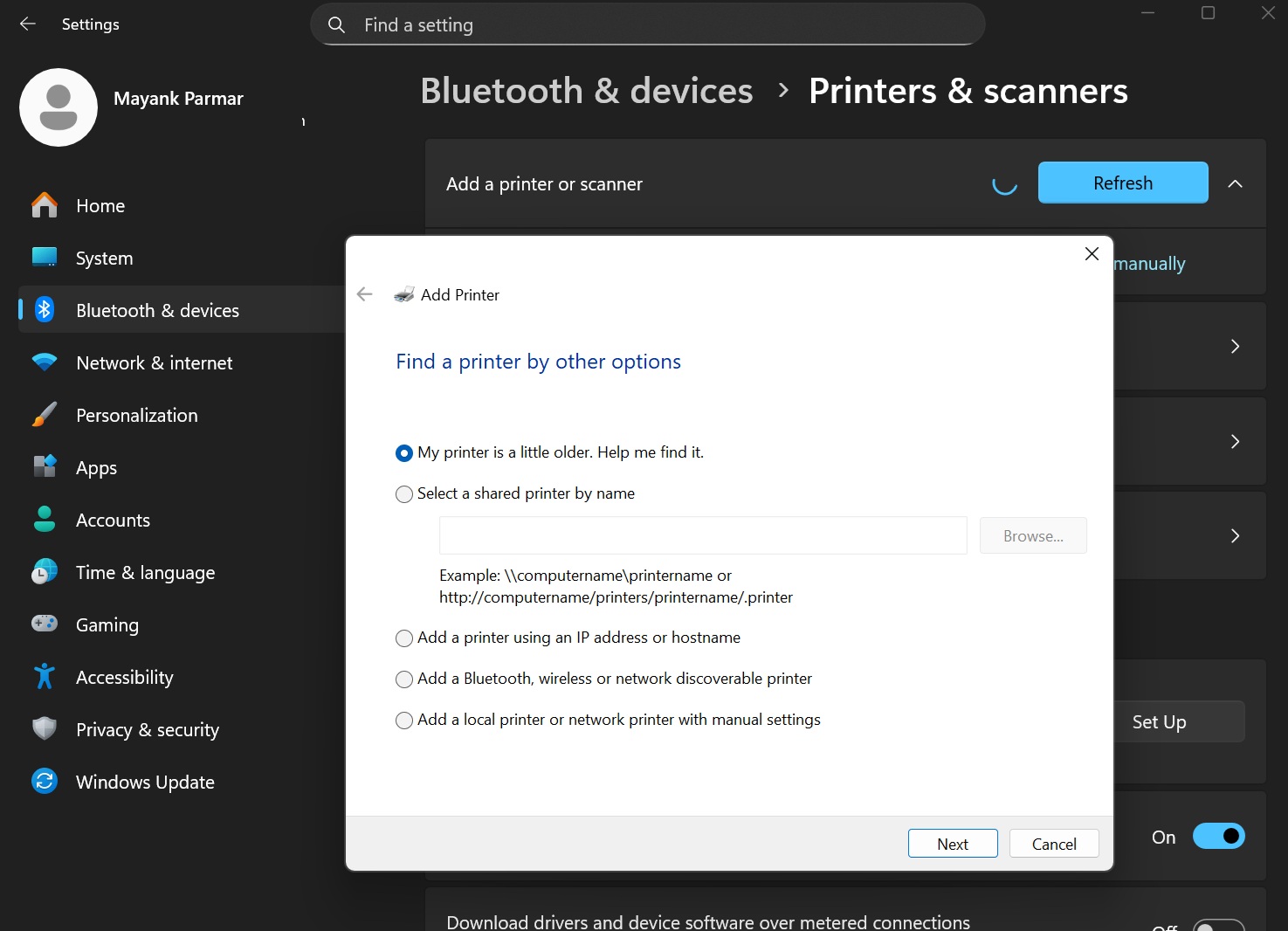
Microsoft Windows product manager Mehmet Kucukgoz said at Ignite 2026 that the company is building a new class driver and gradually shifting related functions to drivers maintained by Microsoft. Printers are one of the areas that have made the most progress; in terms of audio, Microsoft has launched SoundWire drivers and plans to provide them built-in with Windows systems. In addition, Microsoft has also updated the USB Ethernet class driver and is developing a MIPI class driver for cameras, and other categories are also in progress.
Windows already has a variety of built-in basic drivers, including Microsoft's basic display driver BasicDisplay.sys, NVMe storage driver stornvme.sys, USB HID device driver hidusb.sys, high-definition audio controller and codec driver hdaudio.sys, and USB video camera driver usbvideo.sys, etc. However, these built-in drivers were not guaranteed to take over the device when the third-party driver failed. Microsoft now hopes to make more hardware rely on its self-developed drivers from the beginning.
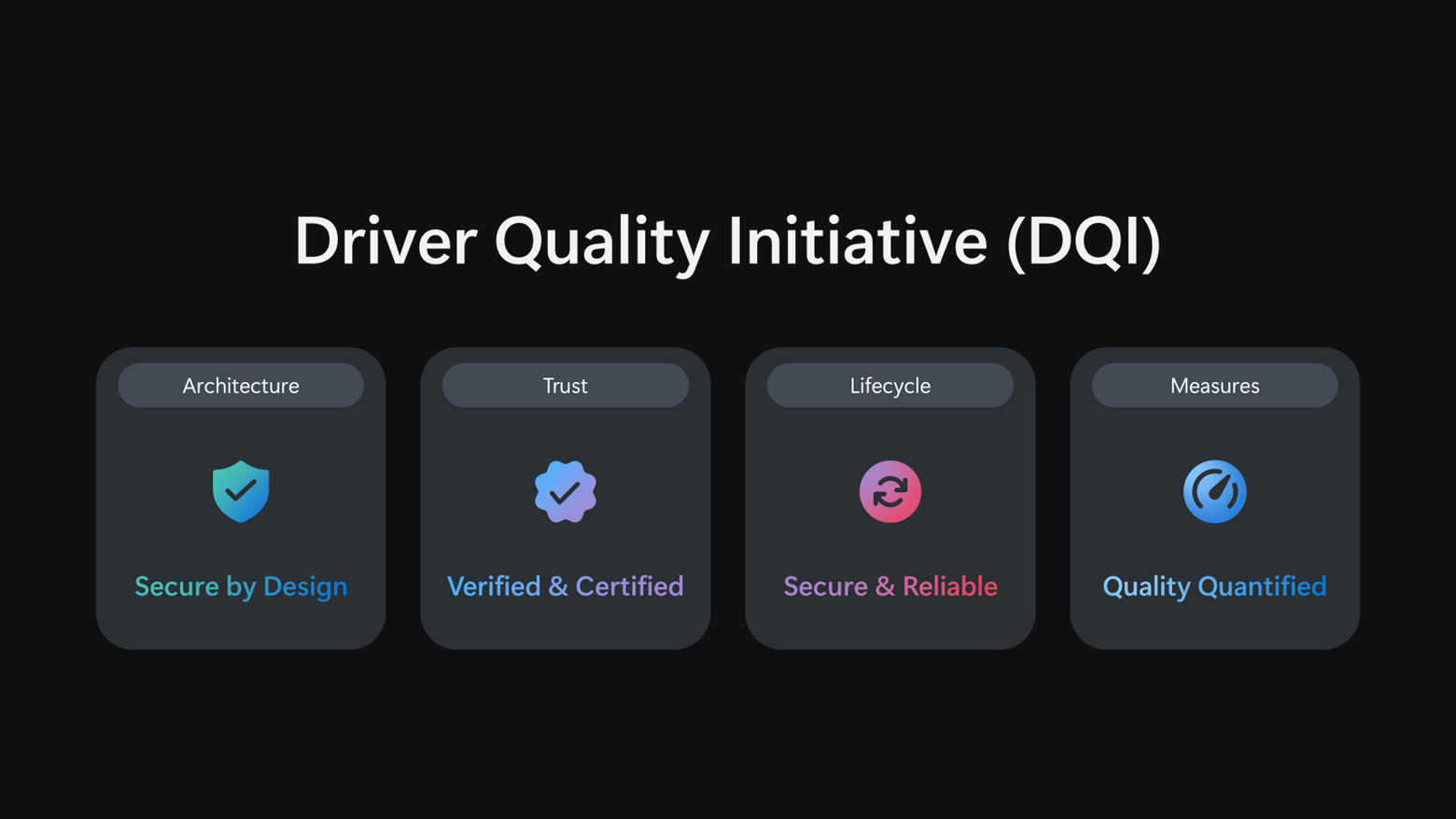
This plan is related to the "Driver Quality Initiative (DQI)" previously announced by Microsoft at the WinHEC conference. The plan proposes four quality pillars for partners such as AMD, Intel, and Nvidia, requiring manufacturers to improve driver quality. But Microsoft also said that it must take more responsibilities and directly build better basic drivers.
Microsoft believes that drivers are at the core of every Windows experience, connecting the operating system with chips, components and peripherals, making Windows one of the most flexible platforms in the industry. When Microsoft provides a unified class driver, it can establish a more consistent implementation for similar hardware and provide updates through a unified channel, reducing fragmentation.
Another key reason is security and stability. Microsoft wants to reduce the amount of third-party code running in the Windows kernel. Traditionally, drivers such as Wi-Fi run in kernel mode, so a faulty driver may directly cause the entire operating system to crash. Microsoft said it will migrate more drivers to run in user mode if supported by the device stack; it will strengthen the security and reliability of drivers that must remain in kernel mode. Microsoft says this will result in less third-party kernel-mode code, fewer crashes and attack paths, and a more secure way to maintain updates.
Microsoft also made suggestions to hardware developers: migrate drivers to user mode as much as possible, and give priority to using built-in class drivers; for components that must remain in the kernel, use the reinforcement suggestions provided by Microsoft. Kevin Sullivan of Microsoft's Windows team said that developers should use built-in class drivers as much as possible instead of maintaining duplicate implementations themselves.
However, this change does not mean that users can uninstall all drivers provided by PC manufacturers, nor does it mean that Windows will support all hardware functions through built-in drivers. For example, the lighting control of game controllers and proprietary functions of specific manufacturers still require OEM or equipment manufacturers to provide special drivers. Microsoft also emphasized that manufacturers still have freedom of choice, especially small companies may prefer to use Microsoft's built-in class drivers to save development and maintenance costs.
Analytics believe that if Microsoft can proceed as planned, Windows 11's hardware compatibility, system stability and update experience may be significantly improved. In the coming months, the Windows driver system is expected to undergo more significant adjustments.
Comments