
Abstract:
Microsoft is working with hardware manufacturers to promote a major improvement plan for the stability of the Windows ecosystem. The company admitted that the stability of Windows systems not only depends on the operating system itself, but a defective driver may cause the entire system to crash, blue screen or even fail to operate normally. To this end, Microsoft is working with partners such as Intel, AMD, and NVIDIA to improve driver quality standards.
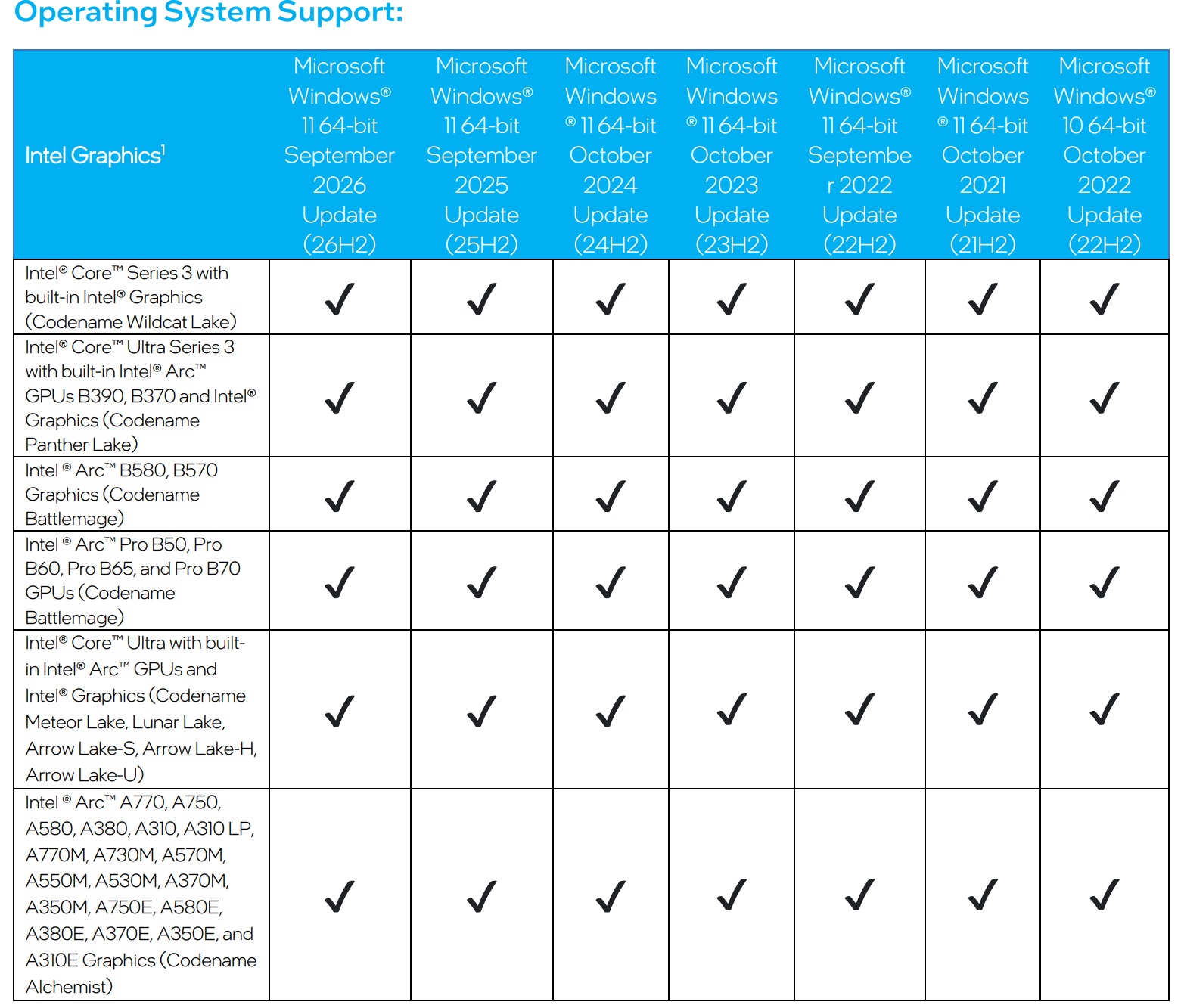
As one of the first manufacturers to participate in this plan, Intel has added support for Windows 11 26H2 in the latest graphics card driver. The driver version 32.0.101.9034 launched in October 2026 is confirmed to be compatible with Windows 11 26H2, which also means that some of the results of Microsoft’s new round of driver quality improvement work have begun to enter the public release stage.
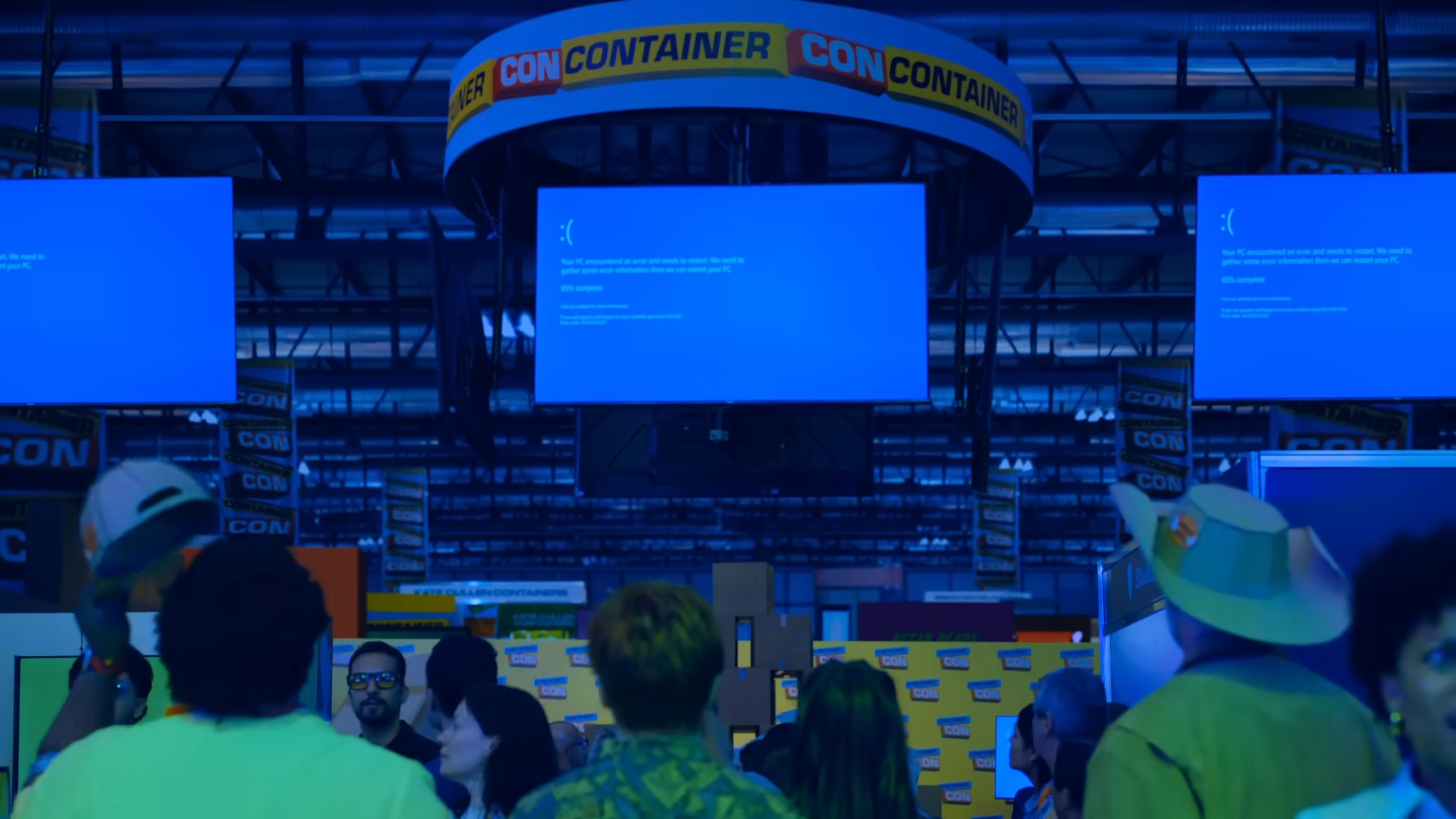
Microsoft has been working hard to improve the reliability of the Windows platform in recent years, but in the actual operating environment, a large number of hardware relies on third-party drivers. Even if there is no problem with Windows itself, an imperfectly designed or under-tested driver may cause system failure. Therefore, Microsoft believes that the operating system team alone cannot solve stability problems alone, and must promote the participation of the entire hardware ecosystem.
To this end, Microsoft launched the "Driver Quality Initiative" (DQI). This plan mainly optimizes the driver development, testing and release process, hoping to find more potential problems before the product is pushed to consumers, thereby reducing the incidence of system crashes and compatibility failures.
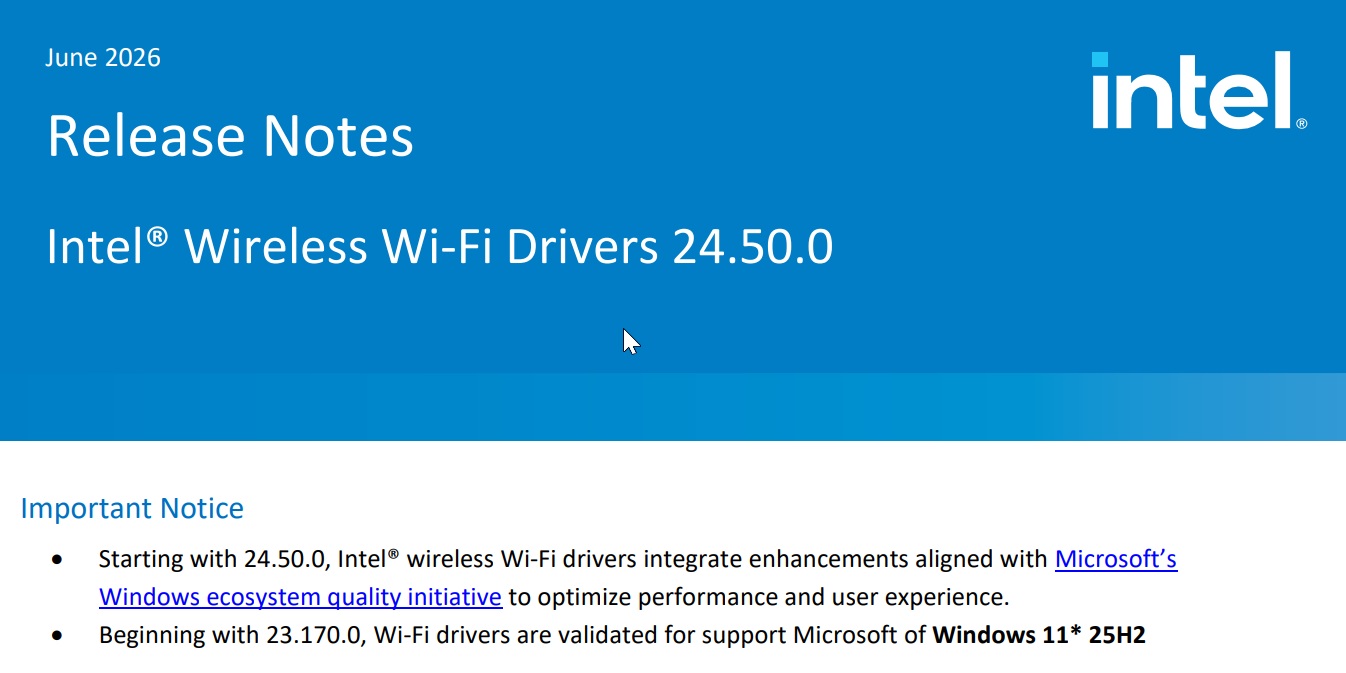
The report pointed out that Intel has already begun to adopt relevant specifications in some wireless networks and Bluetooth drivers. For example, some Wi-Fi driver update instructions released by the company mentioned that relevant improvements are consistent with the Windows ecological quality plan promoted by Microsoft, with the goal of further improving performance and user experience.
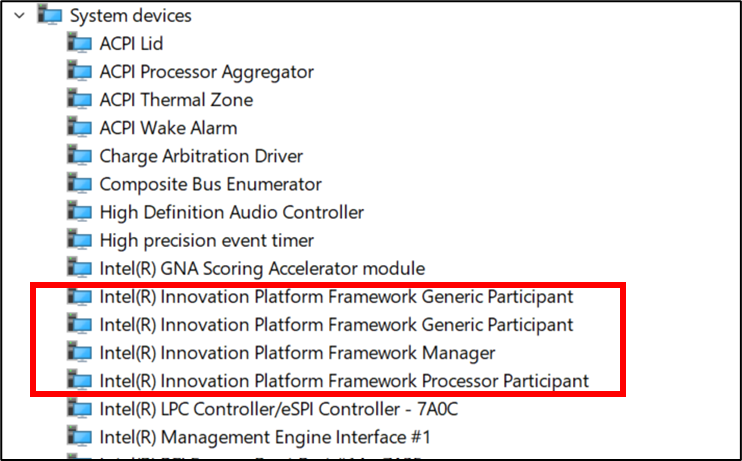
Currently, most DQI-related improvements are still in the advancement stage. Although many OEMs are already testing drivers that comply with the new standard internally, it will still take time for them to be released to ordinary users on a large scale. Intel is one of the first manufacturers to publicly demonstrate such progress, and other hardware partners such as AMD and Nvidia are expected to follow suit.
The background of this plan is closely related to Microsoft's re-hosting WinHEC (Windows Hardware Engineering Conference) this year. This conference, which has been suspended for many years, will return in 2026. Microsoft will take this opportunity to convene the Windows engineering team and many hardware manufacturers to discuss system stability, driver quality, and the future development direction of the Windows hardware ecosystem.
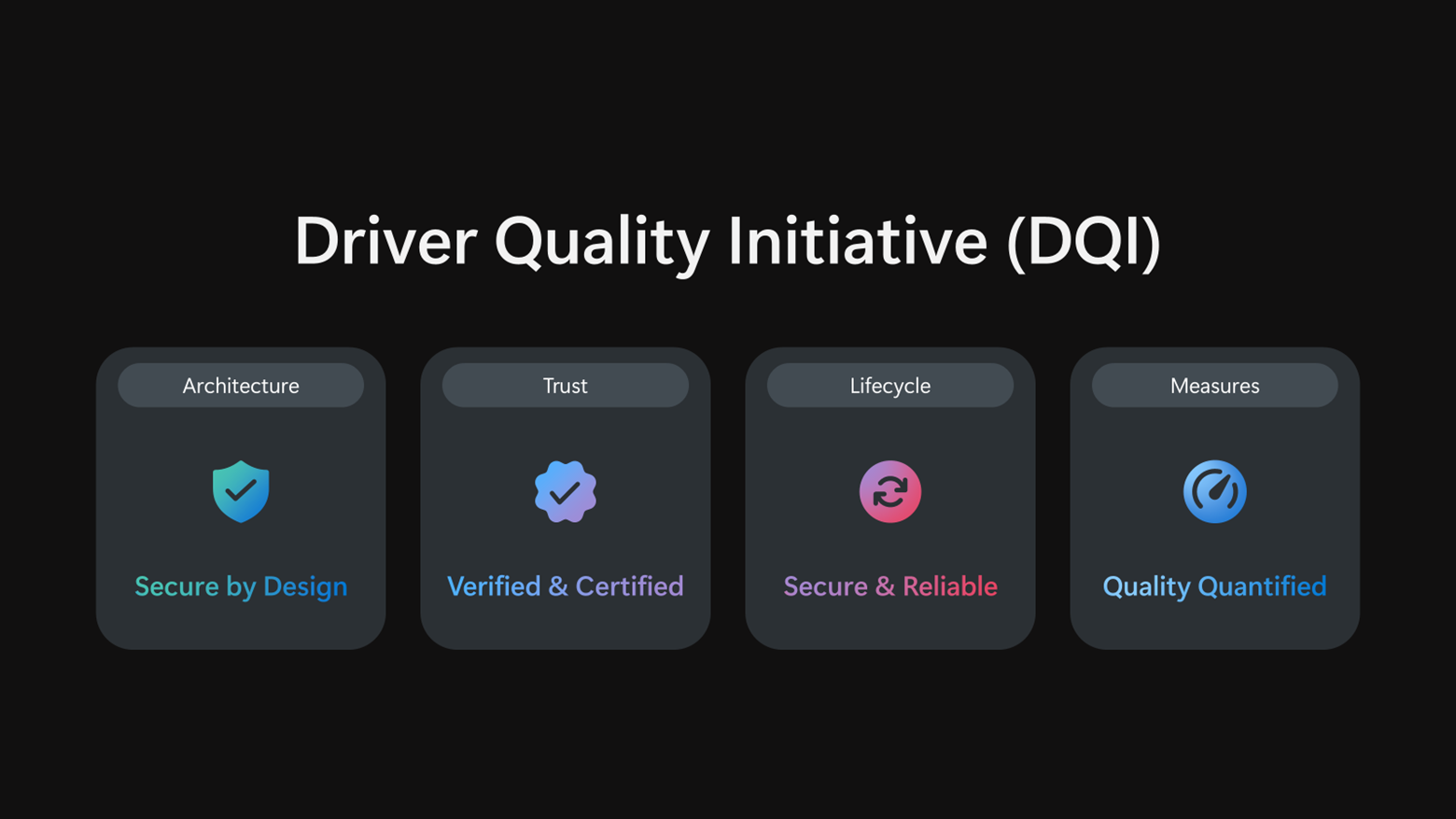
Microsoft emphasized at the meeting that improving the quality of Windows is not a task that can be accomplished unilaterally. Drivers are developed and maintained by many partners, so system stability is not only related to Microsoft itself, but also affects the user experience of PC manufacturers such as Dell, Lenovo, HP, and the entire Windows ecosystem.
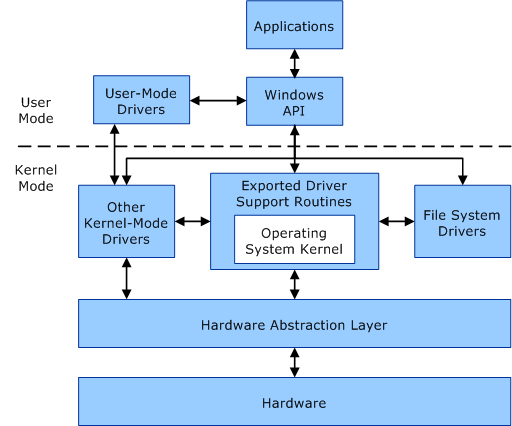
At the same time, competition in the PC market is also intensifying. Microsoft hopes to enhance the appeal of the platform by improving the reliability and performance of Windows devices. As more and more manufacturers participate in driver quality reform, the probability of Windows users encountering blue screens, random restarts, driver compatibility issues, etc. is expected to be further reduced in the future.
Overall, the driver quality initiative promoted by Microsoft is not only an ordinary software optimization project, but also an ecological-level improvement covering the entire PC industry chain. Intel's first launch of a new driver that supports Windows 11 26H2 is considered an important signal that this plan has officially entered the implementation stage, and subsequent updates from more hardware manufacturers are also worthy of continued attention.
Comments