
Abstract:
A research team from the University of Cambridge and the Mexican Center for Mathematics Research (CIMAT) used marine sediment records from about 6,000 years ago to reassess future changes in Arctic winter sea ice. The study believes that after correction of paleoclimate evidence, future winter sea ice extent may be about 1 million square kilometers, or about 386,000 square miles, less than existing model predictions; this refers to the difference compared with previous predictions, not that the total amount of Arctic sea ice will decrease so much.
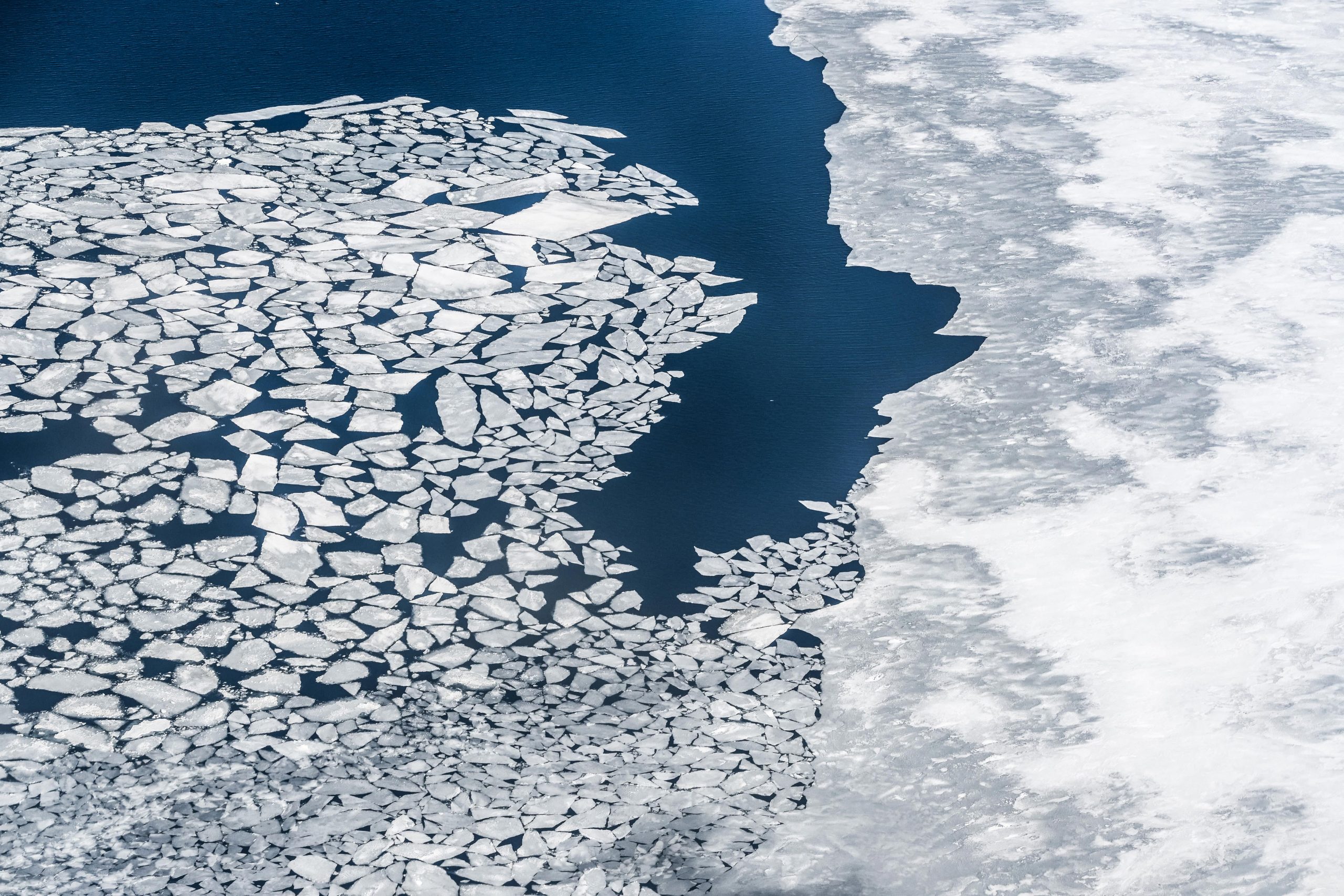
The research team assembled 46 sets of marine sediment biomarker records, covering approximately 54 to 83 degrees north latitude. The samples include IP25 produced by sea ice algae, as well as complementary markers produced by organisms in the open ocean, helping to reconstruct local sea ice cover at the time. The researchers then compared the reconstruction results with 27 climate model simulations of the mid-Holocene, and used a Bayesian weighting method to allow models that better reproduce ancient sea ice conditions to have greater weight in subsequent historical and future predictions.
The study found that the unweighted model ensemble overall tends to overestimate winter sea ice extent. After correction, the uncertainty range of model predictions has been reduced by up to 85%, and the extent of sea ice in future winters will also be lower than originally estimated. The study doesn't give a firm "ice-free" year for the Arctic; it mainly adjusts winter sea ice predictions and shows that disagreements between different models can be narrowed with the help of paleoclimate data.
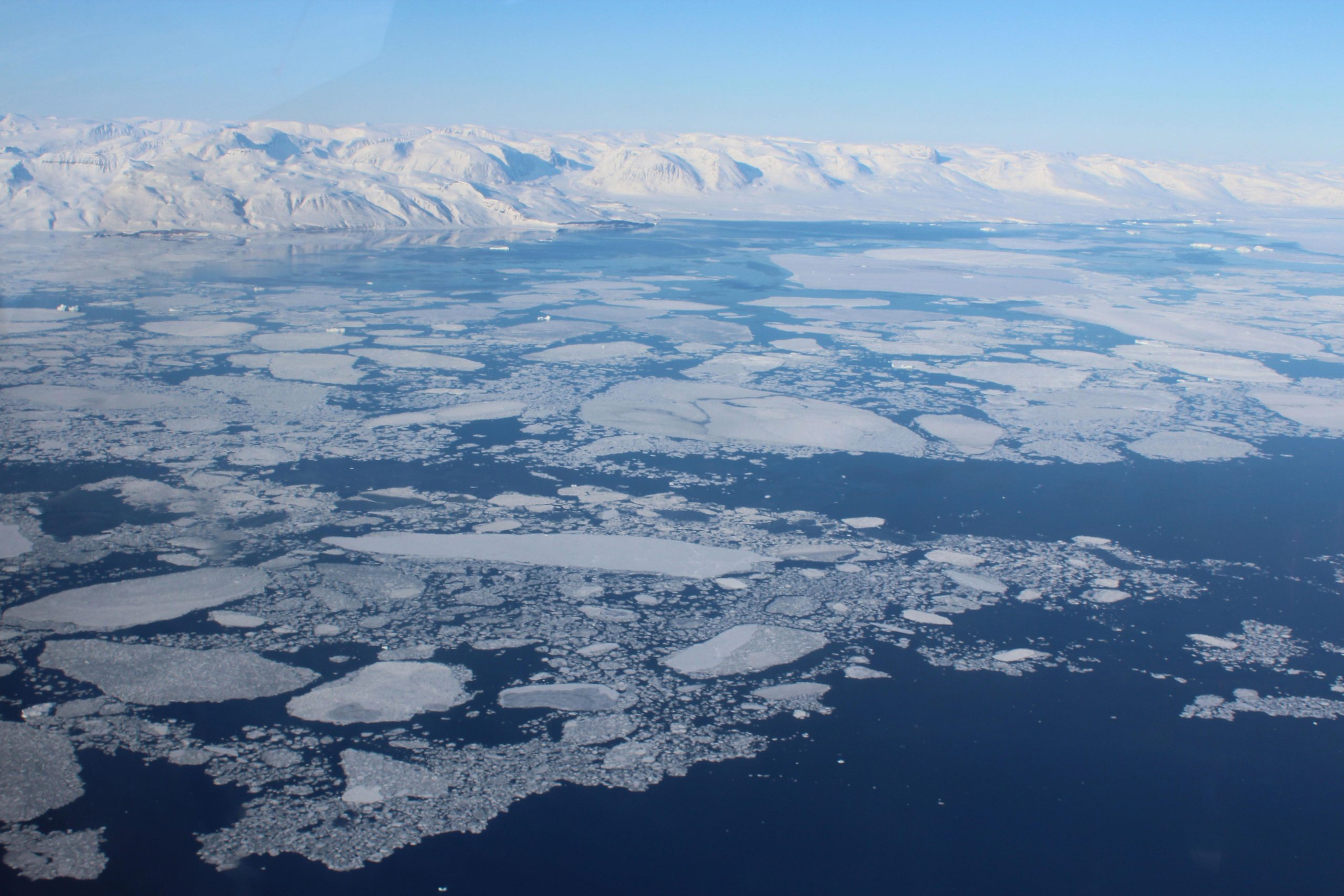
Winter sea ice affects the ocean's release of heat and water vapor into the atmosphere, so changes could spread to weather beyond the Arctic. The research team also found that the model may have underestimated snowfall in southeastern Greenland and rainfall in the Mediterranean, with related impacts that may involve the stability of the Greenland ice sheet and flood risks in southern Europe; the researchers viewed these as clues worthy of further attention, rather than established consequences.
Comments