
Abstract:
About 7,300 years ago, one of the largest eruptions of the Holocene occurred at the Akahoa volcano in southern Japan. The eruption was accompanied by strong earthquakes and tsunamis, covering some areas with volcanic ash and severely damaging the ecosystem. Research teams from Lund University, Cambridge University and other institutions reanalyzed the changes in the Jomon hunter-gatherer population in Japan after the disaster and found that the disaster did not cause a consistent population collapse across Japan: the population in some areas decreased or stagnated, but the population growth in Kitakyushu continued.
The researchers compiled 540 radiocarbon age data from Japan's four major islands, divided the study area into 61 hexagonal grids, and compared the changes in the frequency of age samples in various places before and after the eruption to estimate population growth trends. Radiocarbon dating frequency is a proxy indicator of population activity, not a direct count of the population at that time; the study adopted a Bayesian spatial model and also included factors such as differences in site sampling density into the analysis.
The results show that the population of Minami Kyushu had been declining for a long time before the eruption. The area was relatively sparse at that time, and it may be mainly populated by highly mobile people. In contrast, Kitakyushu's population was growing before the eruption and continued this trend after the disaster. Researchers speculate that the migration of survivors from the hardest-hit areas to the northern coast, the rapid recovery of marine ecology, and the shift of people to make greater use of marine resources may have supported local population growth; these migration and adaptation paths are explanations based on population trends and archaeological evidence, and are not direct records of each population.
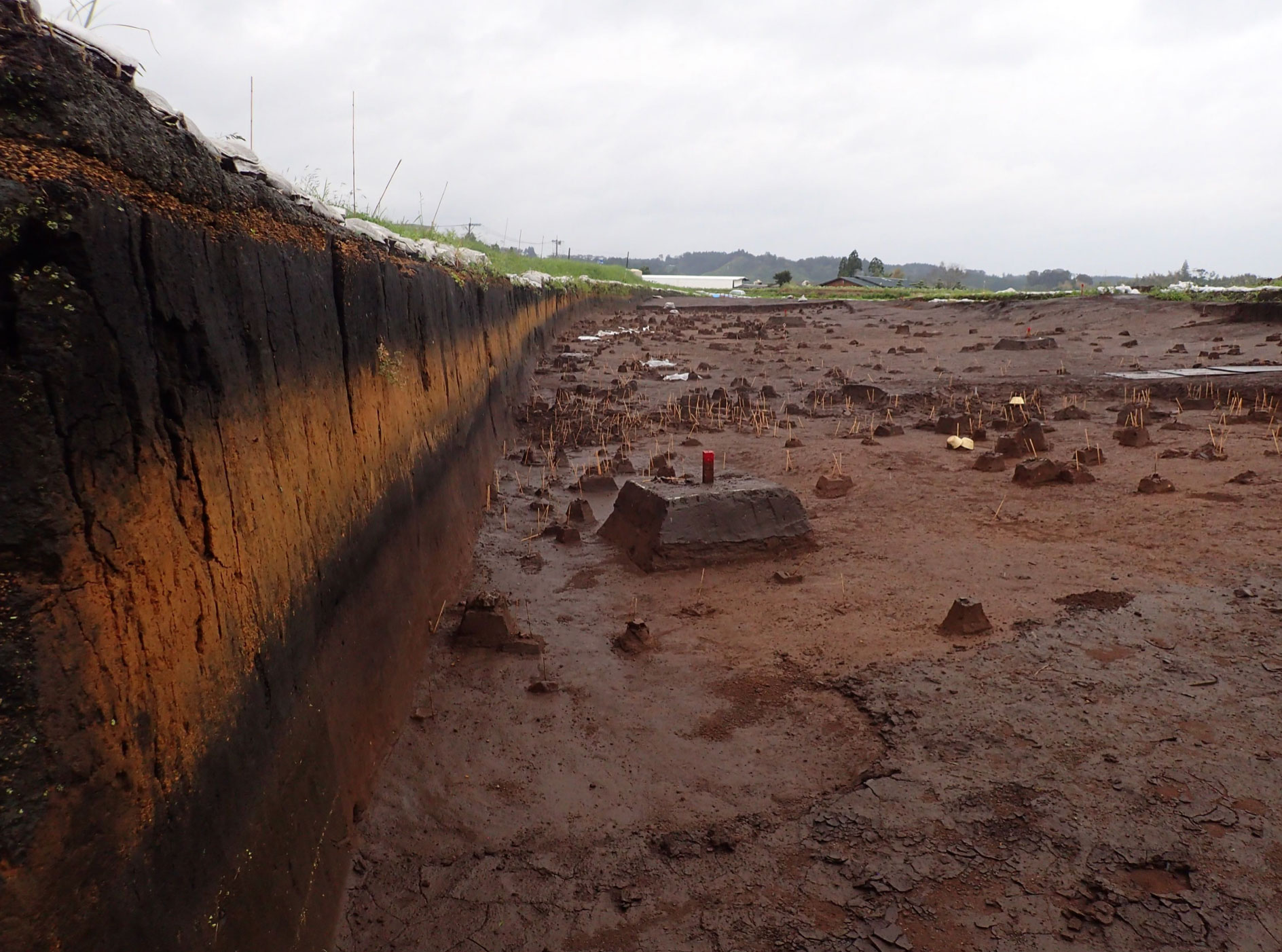
In some areas further away from the volcano, the population that originally grew has stagnated or even declined after the eruption. Researchers suggested that short-term climate changes caused by volcanic eruptions, the impact of volcanic ash covering vegetation on food sources such as deer and wild boars, or other health and ecological impacts may be the reasons, but the specific mechanism has not yet been determined.
The research team believes that the post-disaster situation is neither that all people near the volcano disappear instantly, nor that social life continues without interruption, but that migration, adaptation, decline and recovery coexist in different regions. Since the study relies on archaeological dating data modeling, population migration and survival strategies are still inferences supported by evidence, and more sites and archaeological data will be needed to test them in the future.
Comments