
Abstract:
Anthropic CEO Dario Amodei's recent call for more guardrails on the speed of artificial intelligence development has sent shockwaves through Wall Street and Silicon Valley. But even as Dr. Amodei is embroiled in the heated AI safety debate, his company, Anthropic, continues to prepare for a blockbuster IPO that could be the largest in history.
The company expects annualized revenue to exceed $100 billion this year, up from $65 billion as of July, according to four people familiar with the matter. Investors looking to get in on the IPO are using the surging numbers to justify Anthropic's staggering potential valuation of up to $2 trillion.
The AI lab could publicly release financial documents detailing its offering as early as the coming weeks, two people familiar with the matter said, which could allow its shares to begin trading as early as November.
People familiar with the matter stressed that plans could still change. IPO timing will always change due to factors such as changes in investor sentiment and market volatility.
This is especially true for a company at the forefront of an unpredictable industry — one in which many executives, including its own leaders, are increasingly warning of huge risks.
The progress of the mega-IPO underscores a broader paradox surrounding AI: Companies are promising investors extremely attractive returns despite concerns about the technology's disruptive power.
Going public could give Anthropic quick access to capital to help meet its massive funding needs, especially the huge computing costs required to build and run AI models.
Investors expect the company to have about 5 gigawatts of computing power by the end of this year and roughly double that by the end of next year, according to three people with knowledge of the data. This would put it on par with rival OpenAI.
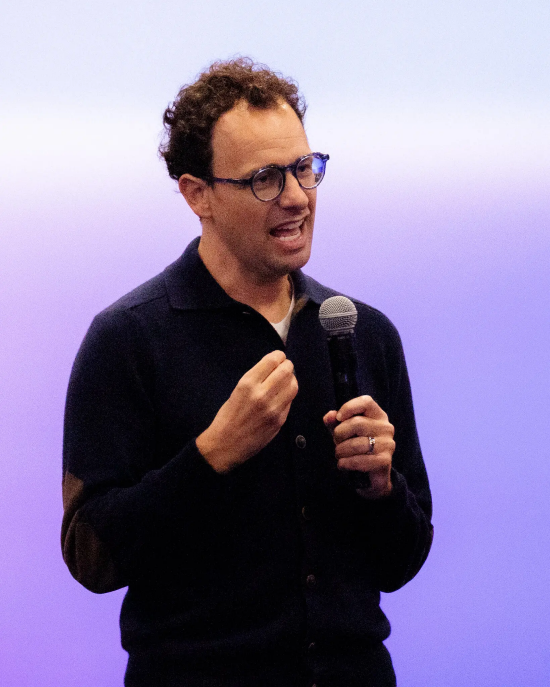
Anthropic hosted a customer event Thursday at its San Francisco headquarters with about 100 investors from venture capital firms to discuss its technology products, according to two people familiar with the matter.
Anthropic co-founders Jared Kaplan and Ben Mann, as well as Claude Code head Boris Cherny, presented alongside OpenAI co-founder Andrej Karpathy, a researcher who joined Anthropic this year, these people said.
Anthropic's bankers and executives, including Dr. Amodei and Chief Financial Officer Krishna Rao, have also met with potential IPO investors in recent weeks, according to four people familiar with the discussions. The company held meetings with people who were willing to write big checks or who were already existing investors in Anthropic.
Some smaller investors want to participate in the IPO but have not yet been successful in getting a meeting with management, these people said.
At some of the meetings, the company emphasized the positive aspects of artificial intelligence, including its research in biology and its potential to cure disease, according to three people familiar with the pitch.
When asked about possible threats from open source AI models, Anthropic downplayed competition. The company told investors that only a small percentage of businesses rely on such models, a person familiar with the matter said.
Several investors also said they believe Anthropic can expand its business even if it slows down some AI development. That's because most of the company's revenue comes from selling Claude to enterprise customers, whose adoption of the technology is still in the early stages.
Dr. Amodei's security warning raises questions about the company's potential liability, for example, if a runaway agent results in litigation. (These risks are not typically covered by insurance.) Dr. Amodei’s call for a slowdown in development comes shortly after a former Anthropic researcher warned that AI could lead to a greater than 10 percent chance of human extinction within the next decade, raising more macro-level concerns.
"My experience is that it's a bit like political risk, investors just try to accept it and deal with it," said Craig Coben, former global head of equity capital markets at Bank of America.
Anthropic's IPO also raises another question: Whether Dr. Amodei can ensure the safety of advanced AI models and withstand the pressure of running a public company dominated by public investors' thirst for growth.
Some Anthropic investors believe that as a public company it can achieve both of these goals.
“Anthropic will IPO,” Altimeter Capital’s Brad Gerstner wrote on social media on September 12. He also said, "Bringing more transparency, scrutiny, accountability, and engagement to these great American companies is beneficial and critical!"
As a public company, Anthropic will provide insights into its business, particularly financial data. It would also spread the wealth it creates beyond a handful of private shareholders, potentially allowing more Americans to directly share in the benefits of AI’s success and security.
This kind of transparency may be limited, said Jesse Fried, a law professor at Harvard Law School who studies Anthropic governance. Anthropic can still keep certain data private — such as what happens in its labs.
"If your concern is that agents will emerge from Anthropic's test dungeons and take over the world, that's not helpful," Fried said.
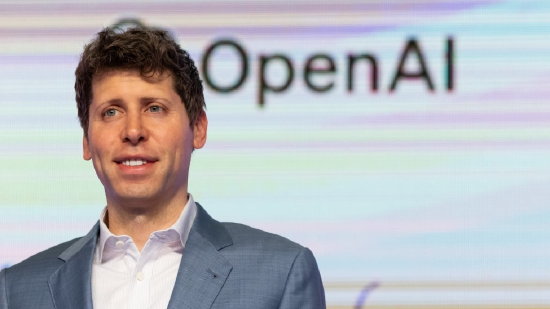
OpenAI is taking a different approach. Last week, CEO Sam Altman said the company would delay its IPO until 2027. The company had been weighing a listing in 2027 while bolstering its financials and pursuing a $1 trillion valuation. (It is in talks to raise private financing at a valuation of $1.5 trillion.)
Edward Best, a capital markets partner at law firm Willkie Farr & Gallagher, said OpenAI's delay could make Anthropic more attractive to go public now — before any regulations force widespread changes in the industry.
"If you can bring your valuation to the market, I would say strike while the iron is hot," Best said.
Comments