
Abstract:
No AI company in the world is more obsessed with the idea that their models might be conscious than Anthropic. According to a new report from the New York Times, the company has been holding secret meetings with religious scholars around the world for months, kept confidential by the U.S. Secretary of Defense, to convince them that its artificial intelligence models also think and feel.
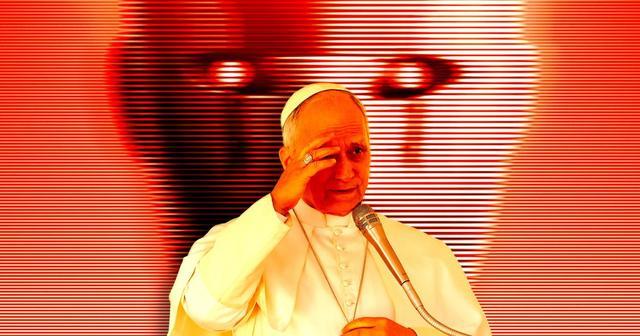
Anthropic has reportedly even targeted the most iconic of all religious leaders: the Pope.
Christopher Olah, co-founder and senior researcher at chatbot maker Claude, reportedly actively lobbied the Vatican after learning of Pope Leo XIV’s official stance on artificial intelligence. However, his attempt was unsuccessful.
In May of this year, the Pope published his first papal treatise, or encyclical. Titled “Magnifica Humanitas,” one of its main concerns is preserving the sanctity of human life in the age of artificial intelligence. The Pope has been outspoken on the topic of artificial intelligence consciousness.
The so-called artificial intelligence will not go through experiences, will not have a body, will not feel pleasure or pain, will not mature through relationships, and will not know what love, work, friendship or responsibility are," the pope wrote in the religious document.
While AI models can "imitate language" and "simulate empathy and understanding," he added, "they don't understand what they're making."
According to the New York Times, before the Pope delivered his Magnica Humanitas, Vatican officials decided to invite a top artificial intelligence company to speak with Leo, and chose Anthropic because it seemed to prioritize ethics. Ola accepted the invitation after CEO Dario Amodei declined to show up.
Before he flew out, Aura received a copy of the pope's upcoming encyclical - and what he saw was a disaster in the making. One of the world's most influential people, and almost certainly the world's most high-profile faith leader, has completely dismissed the possibility of artificial intelligence consciousness. Ora was so angry that he reportedly threatened to withdraw from the event, but ultimately decided to attend.
Once the human delegation arrived at the Vatican, Ora and his team lobbied the pope's advisers to take the possibility of artificial intelligence seriously, The New York Times reported. Anthropic declined to discuss the details of the conversation when contacted by The New York Times for comment.
His efforts to spread the gospel of artificial intelligence don’t end there. When it was his turn to speak at the event, Ora joked that human researchers were discovering "structures that mirror human neuroscience results" and "evidence of introspection."
The Pope’s latest communiqué on artificial intelligence could make Ola furious. On Friday, he denounced machine-generated art, saying "algorithms lack the spark of humanity."
"There is an ontological difference, even before the aesthetic difference, between art and what is produced by a machine performing statistical calculations on millions of images created by others," Leo XIV wrote on social media.
Comments