
Abstract:
Affected by Ukrainian drone attacks on oil refineries, Russia is experiencing fuel shortages and long queues at gas stations. Since the end of June 2026, the Russian electric vehicle market has more than doubled in size, and Chinese electric vehicle sales have surged. According to data from the Russian Ministry of Industry and Trade, from January to August 2026, sales of electric vehicles (including hybrid vehicles) in Russia exceeded 83,000 units, compared with 43,000 units in the same period in 2025.
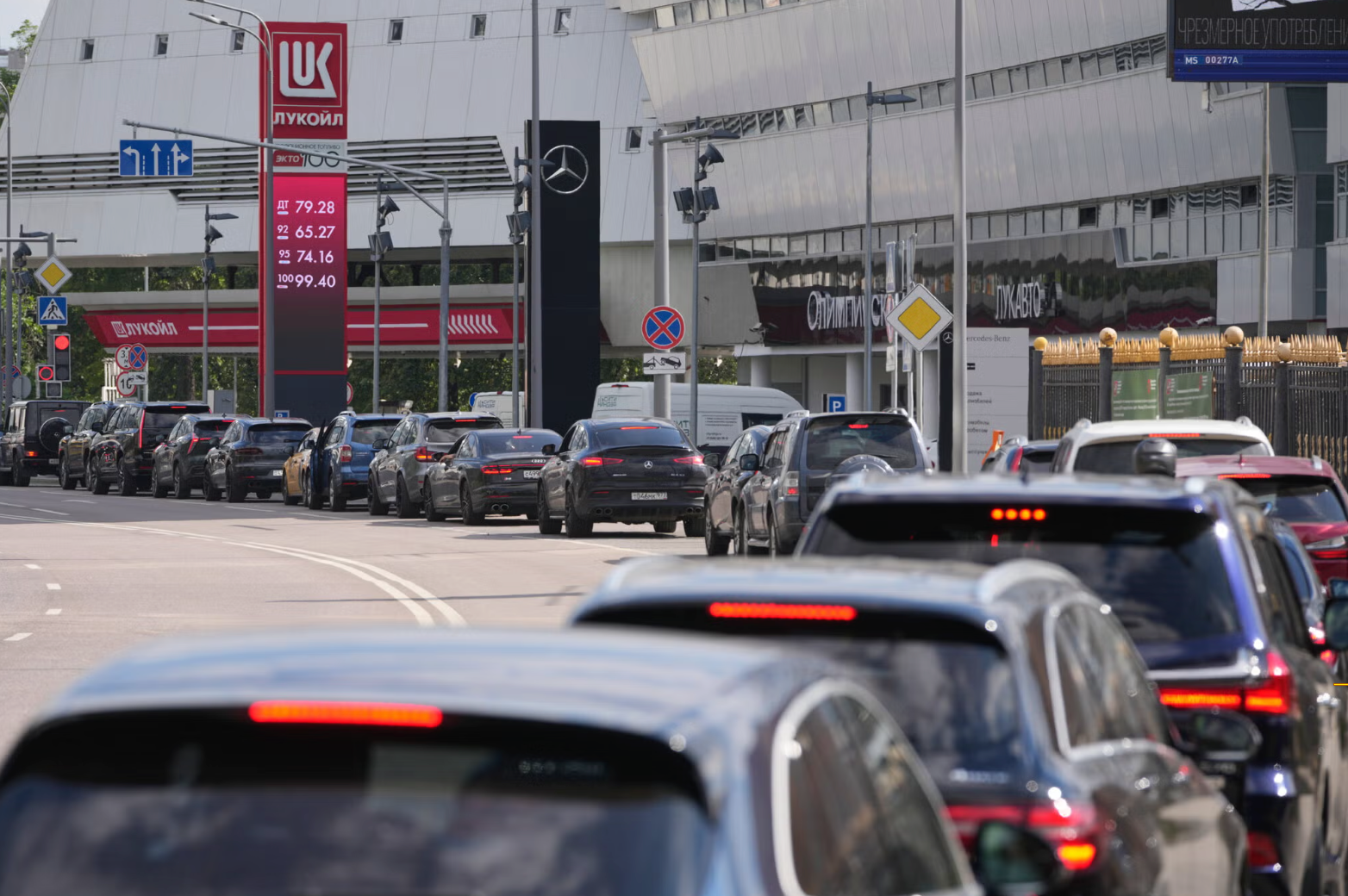
Long queues at Russian gas stations
But in July this year, as Ukrainian drones attacked Russian oil refineries, drivers across Russia queued for hours at gas stations to refuel. So he bought a pure electric hatchback produced by the Chinese brand Great Wall Motors. He had to act quickly, and the car's price jumped by about $2,000 in a matter of days as demand surged.
“I tried to fill up one of my cars and visited five nearby gas stations, but they only had diesel or low-grade gasoline,” he said.
The rapid spread of electric vehicles
As Ukraine increasingly takes its fighting to Russia, the impact of the war may be most evident on the roads. The Russian electric car market has more than doubled in size since the end of June. Most electric cars sold in the country come from China, also reflecting Moscow's economic pivot in response to Western wartime sanctions.
Russia is catching up on lessons learned in the electric vehicle industry. For years, while other countries built electric vehicle supply chains and charging infrastructure, Russia turned a blind eye. As one of the world's major oil producers, Russia has been able to maintain low gasoline prices in the past by leveraging that status. Moreover, major cities are far apart, and without stable demand support, it is not economically feasible to build a charging network. In addition, Russia's harsh winter climate also requires automakers to make significant adjustments to their models for the local climate.
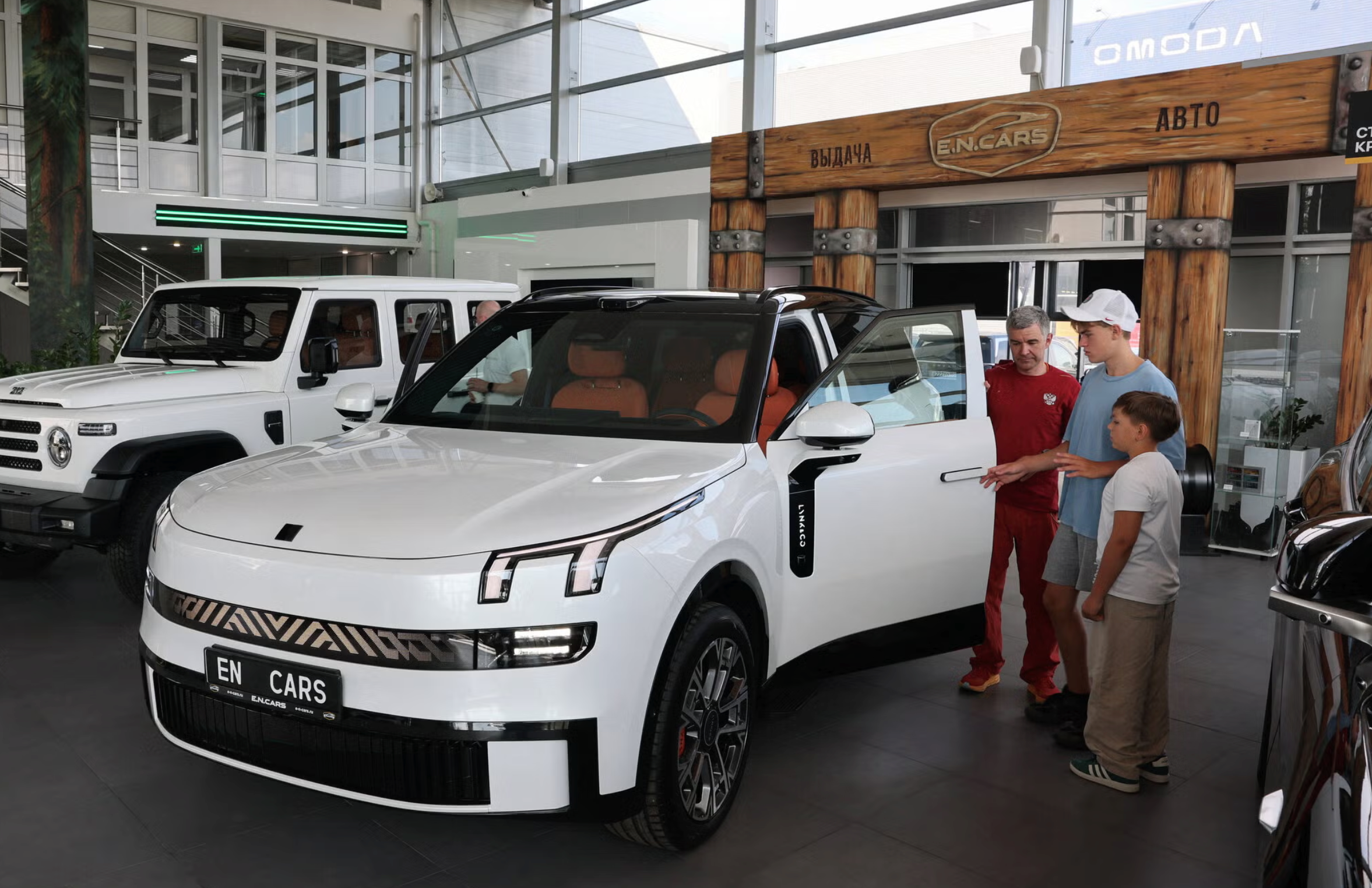
Hybrid cars at Moscow dealer
Electric vehicles are suddenly a more common sight on Russian roads these days, especially in big cities. According to data from the Russian Ministry of Industry and Trade, the country’s sales of electric vehicles (including hybrid vehicles) exceeded 83,000 units from January to August this year, compared with 43,000 units in the same period in 2025.
According to Avtostat, an automotive research institute led by Tselikov, as of the end of September, pure electric vehicles and plug-in hybrid vehicles that can run without gasoline accounted for 11.5% of the Russian auto market, compared with about 5% at the beginning of the year. Russia's EV market share is now slightly higher than that of the United States, but still pales in comparison to China's 45% share.
While the surge in Russian electric car sales stems from one specific factor: the attacks in Ukraine, this shift in the Russian auto market is the latest example of how war and supply shocks can quickly change consumer car-buying decisions.
In other parts of the world, electric vehicle sales have also surged due to the U.S.-Israeli war against Iran, which has sent oil and gasoline prices soaring. According to the International Energy Agency, global electric vehicle sales will account for 29% of all new car sales this year, a record high.
This year, electric vehicle sales are growing in more than 90 countries, including Brazil, Australia, India and South Korea. The IEA said the energy crisis "has clearly further strengthened the case for buying electric cars".
Fuel shortage
In Russia, fuel shortages are unsettling many Russians who have grown accustomed to viewing the war in Ukraine as a distant annoyance. The fuel crisis has the potential to become a serious political problem for the government.
According to data from Gdebenz, a crowdsourcing tool that tracks the fuel market, only 46% of gas stations across Russia had fuel for sale last Friday. In Moscow, 53% of gas stations have gasoline available, leading to long queues at some stations. In Nizhny Novgorod, the main city east of Moscow, the figure is just 27%.
In early July and mid-August this year, the situation in Moscow became even more serious. At the time, only a quarter of gas stations had fuel available due to attacks on the refineries that supply the city.
At the time, long lines for gas caused traffic jams across the capital. Drivers queued for hours at gas stations on the highway connecting Moscow to St. Petersburg, Kazan and southern Russia.
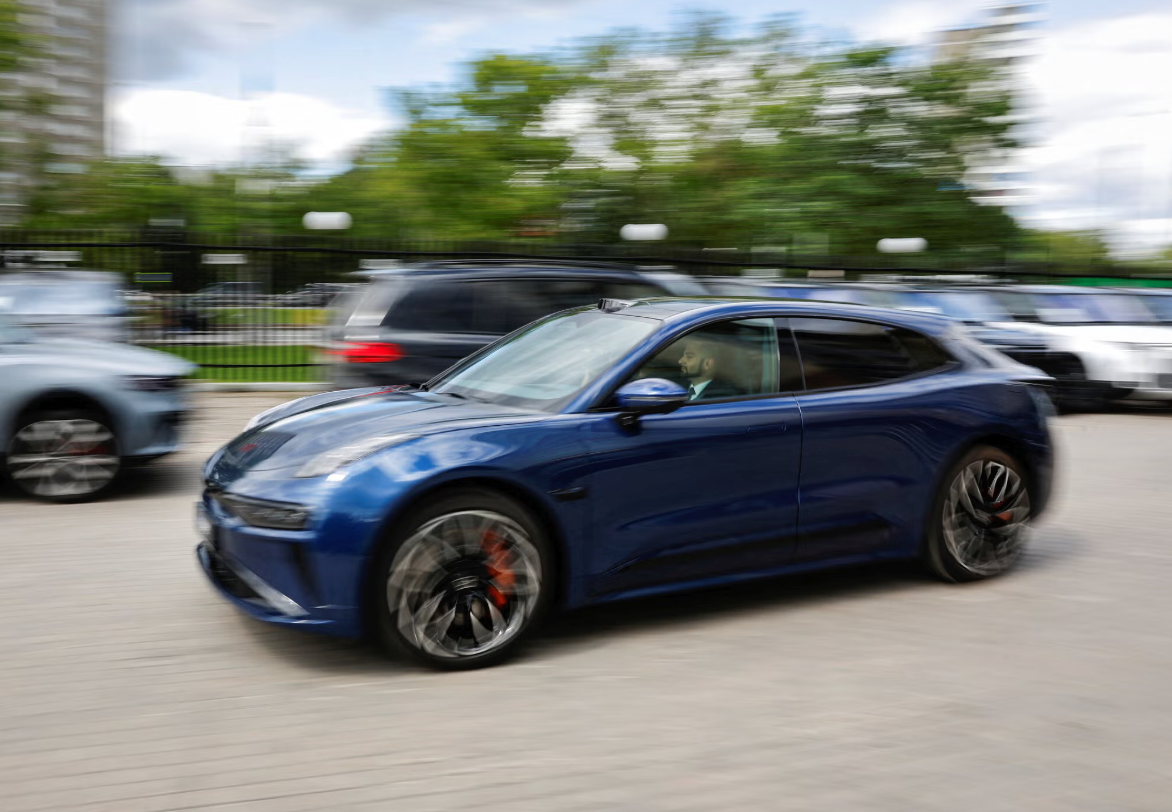
Significant increase in Chinese car dealers in Russia
To quell the crisis, the Russian government allowed the sale of low-grade gasoline and diesel. But some cars started to malfunction after using this low-quality fuel.
Aleksandr is the manager of a repair shop in Moscow that specializes in repairing Volvos. He said that in just two weeks in August, he took delivery of 15 diesel vehicles with clogged diesel particulate filters. He believes the problem is related to low-grade fuel.
Snap up Chinese electric cars
As the fuel crisis continues, electric car dealers have been sold out and online listings of used electric cars have plummeted.
In a vast dealer park in northwest Moscow, a manager for Evolute, a Russian-assembled electric car brand based on Chinese design, said there was no inventory in the park and there was no way to join the waiting list.
There are more than 40 dealers in the park, most of which used to mainly sell brands from the West, Japan and South Korea. Today, there are more than 25 Chinese brand showrooms here.
Many Russian car factories used to produce Western brands but were abandoned due to pressure from Western governments after the war in Ukraine broke out. Today, most factories assemble Chinese cars instead.
Queues also appeared at charging stations on Moscow streets and parking lots, albeit shorter ones.
On a recent day, 40-year-old Alexander was charging a red Muscovite car. Muscovite, an iconic Soviet car brand, has been relaunched with a rebadged Chinese model design. He said he had to search around central Moscow to find a functioning charging station without queues.
"Overall, infrastructure is still inadequate," Alexander said. He said the Muscovite car belonged to his employer. He would never buy an electric car himself, given their high price and insufficient number of charging stations.
Some residents are turning to electric bicycles or scooters, or trying to convert their cars to run on natural gas. Others switched to public transportation, including intercity buses.
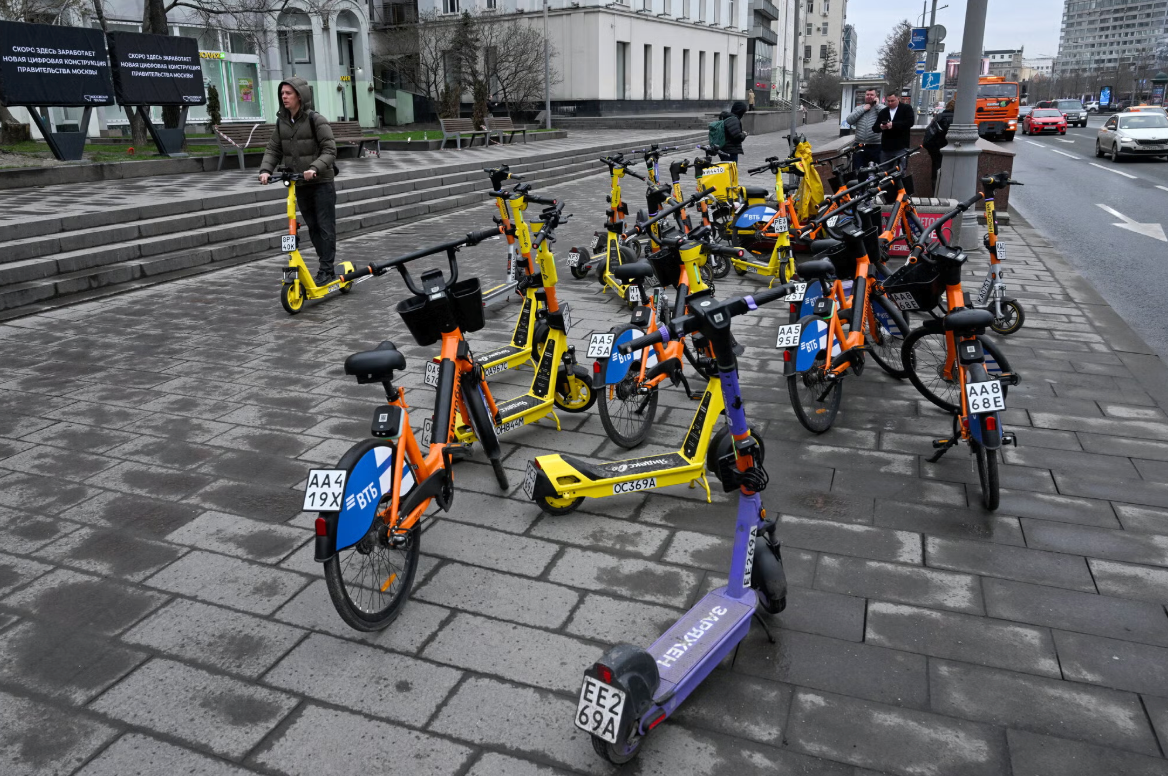
Some Russians switch to electric bicycles
Gasoline shortages have become such a common occurrence in Russians' daily lives that clowns in the Moscow circus joke about it: "Does anyone have a car key? No? Of course not, because there's no gas!"
Russia’s shift to more EV-friendly policies began in 2022, when the government began subsidizing fast charging stations and grid access. In 2023, updated regulations will require new buildings to be equipped with electric vehicle infrastructure. The number of public charging stations will increase from less than 1,500 in 2022 to more than 8,000 this year.
In many regions of Russia, pure electric vehicles are exempt from the traffic tax that other car owners are required to pay. In Moscow and other large cities, electric car drivers do not have to pay parking fees, which can run up to $9.50 an hour. Electric vehicles produced in Russia enjoy government subsidies and are free on most toll highways across the country.
Konstantin Alyabyev, CEO of Punkt E, Russia’s largest charging station operator, said that the company has realized the potential of the Russian market very early.
“We don’t think Russia is a so-called ‘cursed country,’” he said. “The main obstacle is not a natural limitation. There is a classic ‘chicken and egg’ problem here: without electric cars, there will be no charging infrastructure.”
Demand for Punkt E charging stations has doubled in recent weeks, with queues forming at some stations, Aliabiev said. But because of the time it takes to obtain licenses, the company can't expand its network quickly. However, company management decided to speed up the construction of 100 new charging stations.
Car expert Tselikov bought a sporty Great Wall Euler 03 GT. The car was previously called the Euler Funky Cat. Tselikov nicknamed his car Kotya, which means "kitten" in Russian.
While the market share of pure electric vehicles has doubled, such vehicles are still less common in Russia due to their higher prices, he said. He expects hybrid vehicles' market share to continue to grow.
Electric cars may also face an image obstacle in Russia. For some, electric cars just aren't "manly" enough.
Igor, 51, expressed this sentiment as he waited in a long line outside Moscow to refuel. "I will never buy an electric car," he said. "Electric cars are harmful to men's health and are too expensive."
Comments