
Abstract:
On October 27, Anthropic has officially submitted its IPO prospectus and is getting closer to listing. The New York Times published an article stating that Anthropic may be available as early as next month. By then, this IPO will not only be an important moment for this artificial intelligence company to officially debut in the capital market, but also a test for the entire U.S. economy, with trillions of dollars at stake.

Anthropic star product Claude
Anthropic developed the Claude chatbot and is one of the pillar companies in the artificial intelligence industry. The company's valuation in the private equity market is close to US$1 trillion, and its cumulative financing exceeds US$130 billion. The IPO could raise $100 billion, quickly making it one of the world's most valuable listed companies. But the stakes don't even end there.
Strengthen the whole body
Anthropic and its main competitor OpenAI sit at the top of a vast pyramid of business partners and suppliers. These companies include infrastructure providers, chipmakers, energy companies and artificial intelligence startups. They have invested huge sums of money over the past four years because they believe demand for artificial intelligence products will continue to grow.
Anthropic's listing will provide the outside world with an in-depth look at the operations of a key company supporting the artificial intelligence boom for the first time, and will also test the sustainability of this boom. Is the market demand for artificial intelligence services really endless, enough to support companies’ huge investments in chips, data centers and other infrastructure? Or will Anthropic's results show that there is a limit to this demand?
“For the market, it is a bellwether.” said Umesh Padval, an investor at venture capital firm Seligman Ventures who has worked in the technology industry for nearly 40 years.
If Anthropic performs in a disappointing debut, it could dampen investor confidence and trigger a broader market sell-off, casting doubt on how long the artificial intelligence craze can last. On the other hand, if the IPO is successful, it may boost the market and pave the way for more artificial intelligence companies to go public.
The stock market is already on edge. Technology stocks have generally fallen this month, led by companies that design and manufacture AI chips. The Philadelphia Semiconductor Index has fallen 26% from its June high and entered a bear market, indicating that investor anxiety has become quite serious.
In the past few weeks, Microsoft has canceled a cooperation agreement with data center provider Nscale. A report released by research firm Gartner predicts that 80% of "new cloud service providers" (companies that provide data and computing power for artificial intelligence companies) may be forced to withdraw from the market. Additionally, Ken Griffin, the billionaire founder of hedge fund Citadel, said AI investors are "almost certainly" in a bubble.
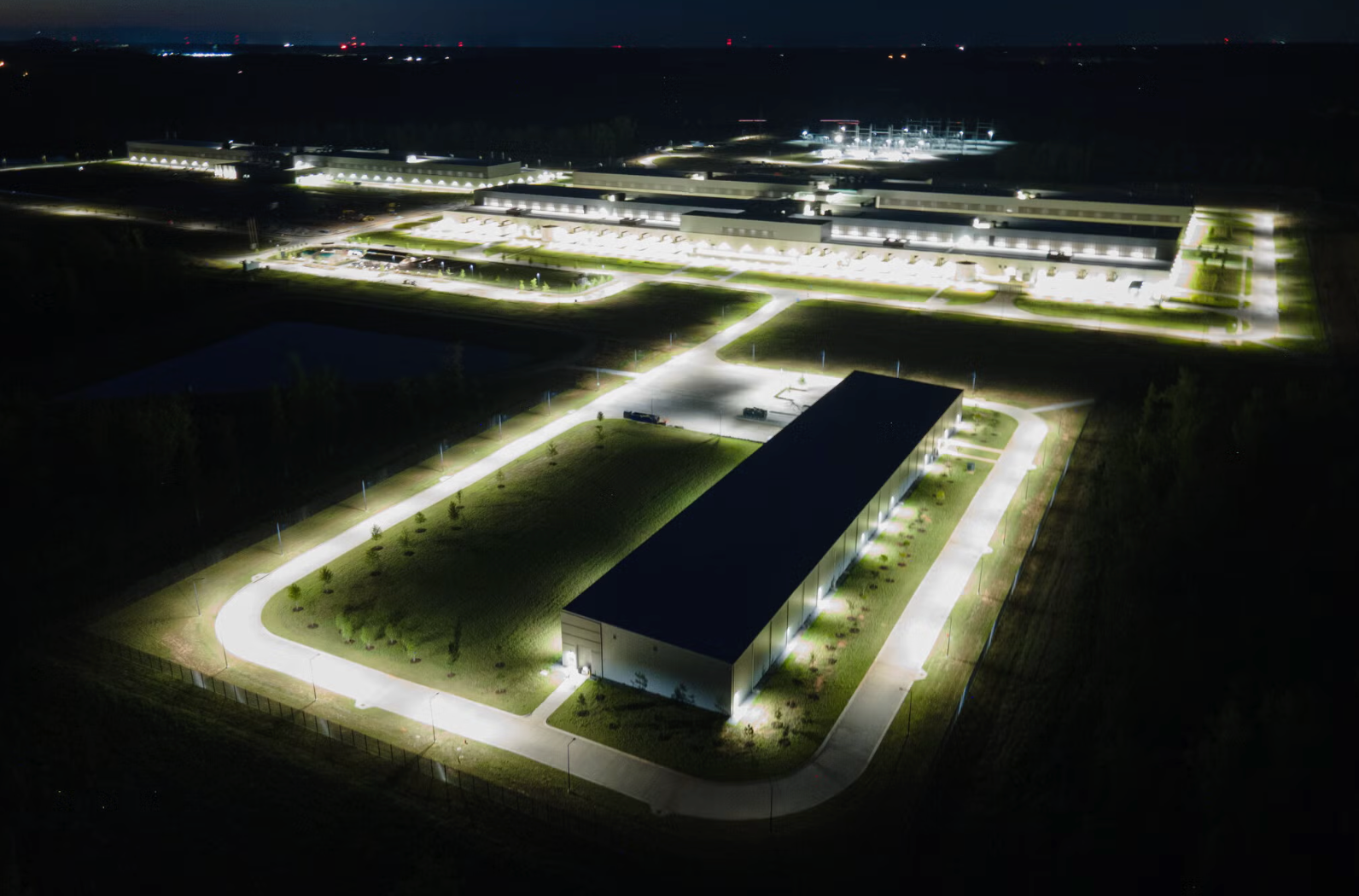
Meta Data Center
These negative signals have further exacerbated market concerns about huge spending on artificial intelligence infrastructure. Amazon, Meta, Google and Microsoft have all said they plan to invest at least $740 billion in artificial intelligence infrastructure, including data centers, this year. According to statistics from investment data tracking agency PitchBook, since 2022, private market investors have invested US$1.1 trillion in Anthropic, OpenAI and other artificial intelligence companies.
As private market spending and investment continue to increase, public market investment scale is also expanding, making stock market performance increasingly dependent on the performance of the artificial intelligence industry. The top 10 companies in the S&P 500 Index have a combined market value of more than $1 trillion, eight of which are technology companies. Together, these 10 companies account for more than 40% of the index's weight, up from less than 20% a decade ago.
In the future, after Anthropic is included in the index, it is likely to knock Berkshire Hathaway or Eli Lilly out of the top 10. These two companies are currently the only two non-tech companies with a market value of more than $1 trillion.
“This listing is very important. If it doesn’t go well, the entire market will be dragged down.” Brad Gastwirth, global head of research and market intelligence at supply chain services company Circular Technology, said.
Growth is slowing
Anthropic filed an IPO prospectus on Monday, disclosing details of its rapid revenue growth and plans to invest up to $807 billion in data centers, chips and cloud computing over the next decade.
This document does not include Anthropic's third-quarter performance data. The company disclosed the data to investors this month at its San Francisco headquarters. Anthropic’s third-quarter revenue reached $16.8 billion, a 45% increase from the previous quarter. However, investors noticed that the company's second-quarter revenue increased by 141% compared with the first quarter, and the growth rate was much higher than that of the third quarter.
How Anthropic explains this slowdown will be critical. If the reason is that the company is losing market share to OpenAI, or companies adopting cheaper open source AI models, then that means overall demand for AI services remains healthy. But if Anthropic's growth slows down because overall market demand for artificial intelligence products weakens, the market reaction may be more dramatic.
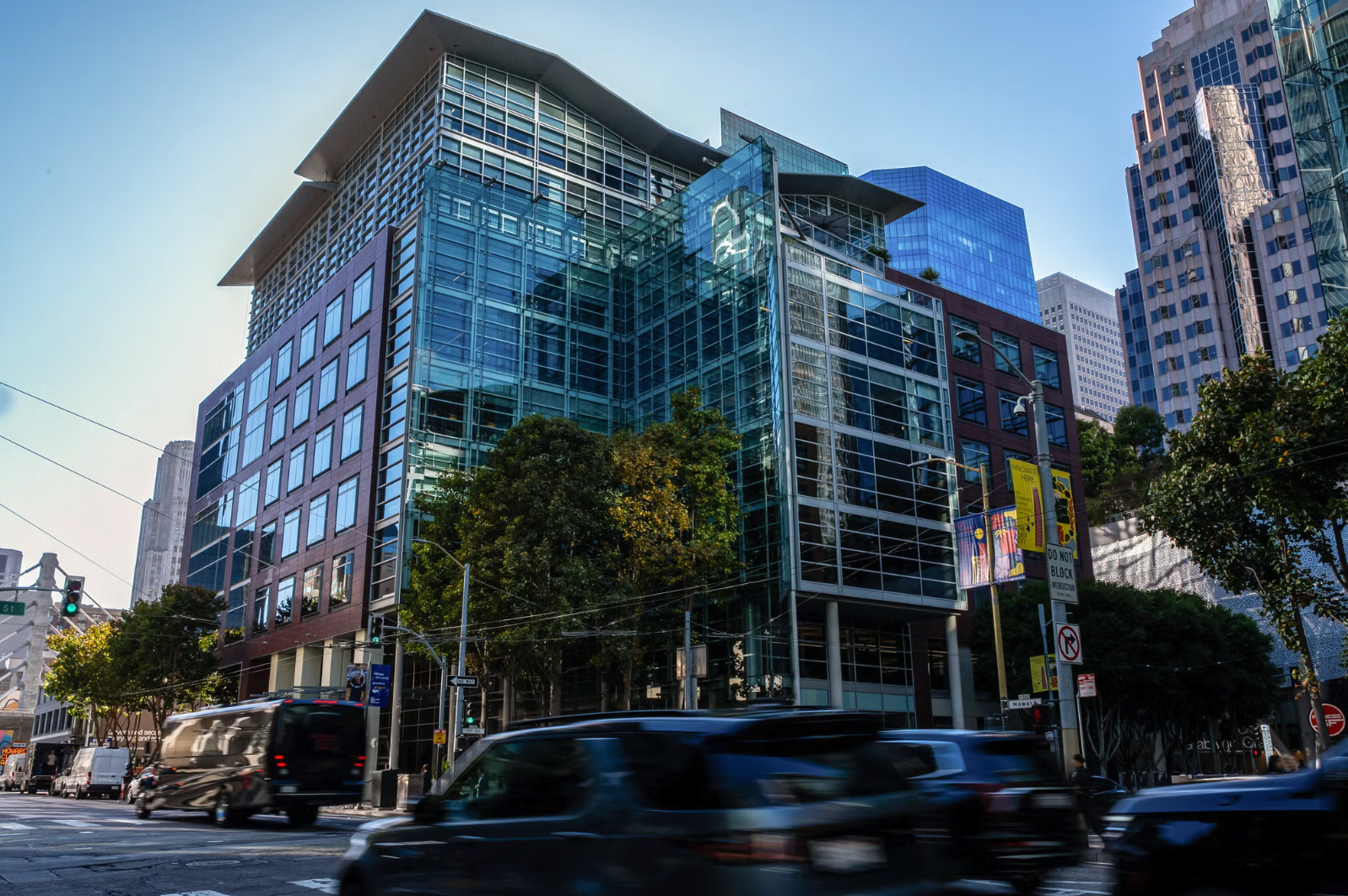
Anthropic San Francisco Headquarters
Anthropic has been the hottest company in Silicon Valley over the past year, thanks in part to Claude Code. This service changes the way software engineers write code. As the company's revenue soared, private market investors continued to push its valuation to $965 billion, surpassing OpenAI.
The IPO market is cold
To meet market demand for its AI products, Anthropic has reached agreements worth hundreds of billions of dollars to rent computing power from Google, Amazon and Microsoft. It's also investing in chips from Nvidia and data centers from companies like Nscale. Companies that provide services to Anthropic are, in turn, investing huge sums of money into their respective suppliers.
But this summer, some Anthropic customers concluded they were spending too much on “tokens,” units of data processed and generated by AI systems. They started looking for cheaper options. Meta, one of Anthropic's largest customers, had expected to spend up to $10 billion annually on the company's technology this year, but has cut spending as it shifts to other AI models.
The share prices of some artificial intelligence companies that have gone public this year have fallen sharply. Shares of Silicon Valley artificial intelligence chip maker Cerebras are down about 40% from their offering price in May. Shares of Accelevation, an artificial intelligence infrastructure company, are currently about a third lower than their September offering price of $18. After Musk's SpaceX went public in June, its stock price has fallen sharply from its peak, but it is still about 9% higher than the issue price.
Against this backdrop, the pace of the IPO market has slowed down. Holtec, which provides nuclear power to the artificial intelligence industry, withdrew its listing application last month. SB Energy, a data center company controlled by SoftBank, one of OpenAI's largest backers, and Aggreko, a power company that cooperates with data centers, have also postponed their listing plans.
Matthew Kennedy, senior strategist at Renaissance Capital, which tracks listings, said that artificial intelligence infrastructure is the "number one theme" in this year's IPO market, "but it is also one of the sectors hardest hit by the sell-off in the past few weeks."
Investment bankers have warned companies that they may not be able to obtain the valuations they were considering two months ago. Goldman Sachs CEO David Solomon said on an earnings call this month that while the market for public offerings is "widely open," companies may choose to hold off on going public if they still hope to achieve valuations close to those discussed this summer. "The market softened in September," he said.
Anthropic's revenue data further exacerbated market concerns. Previously, the market expected the company to be valued at up to $2 trillion when it went public. But after seeing slowing revenue growth and continued market downturn, some investors have begun discussing a valuation range of $1.5 trillion to $1.7 trillion, according to a person familiar with the matter.
Artificial intelligence industry executives have been trying to calm market sentiment. This month, Wei Zhejia, CEO of TSMC, which supplies chips to the artificial intelligence industry, said there is "no upper limit" to the company's profit growth.
Stocks fell further late last week as concerns grew over spending on artificial intelligence. The Nasdaq Composite Index, which is dominated by technology stocks, suffered its largest one-day decline since June.
Comments