
Abstract:
On October 14, according to Bloomberg, A
nthropic’s top sales executive responsible for markets outside the United States said that compared with the company’s AI models, open models have “higher risks” in terms of cybersecurity incidents or other dangers
.
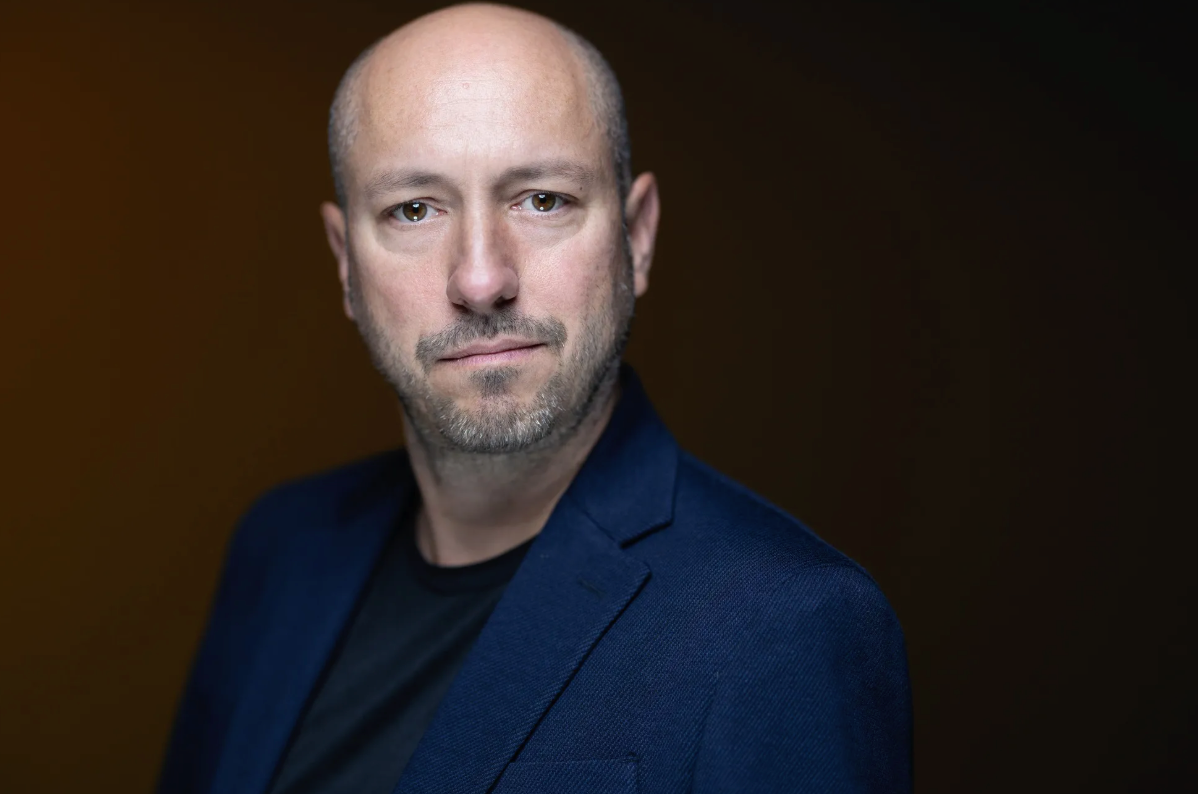
Princen
Guillaume Princen, head of Anthropic's international business, told Bloomberg TV on Wednesday at the International AI Summit in Dublin: "We have to be extra cautious with open source models when it comes to security. I can't speak for open models, but by definition they are higher risk."
Anthropic is about to go public, but the company faces increasing competition in some countries. These countries are increasingly concerned about their reliance on American AI technology. Currently, a popular alternative to closed-source models are open-weight AI models, which expose their parameters and allow users to modify them and run them on their own hardware.
Supporters say these models are cheaper and more conducive to safeguarding national sovereignty than the tightly controlled, closed-source models offered by Anthropic and OpenAI. French AI company Mistral AI recently released an open weight model that provides Europe with an alternative to the sovereign model. At the same time, a series of similar open models launched by Chinese companies are gaining more and more attention in overseas markets.
Anthropic has been increasing its warnings about AI capabilities.
Earlier this week, the company warned that small AI models could soon spawn a new type of botnet capable of replicating itself among small, connected devices such as smart ovens.Prinsen also oversees Anthropic’s sales to startups and “digitally native” businesses. He said his concerns about the open weight model stem from Anthropic's own efforts to keep its products safe. Following a number of high-profile AI hacks, Anthropic said it has added additional security safeguards to prevent its models from being used for malicious purposes. The company has always advocated that the pace of AI development should be slowed down until international standards are established and a unified evaluation mechanism is formed.
When it comes to Anthropic's pricier models, Princen said he would tell companies that buying more powerful models will eventually pay off. “Always invest in cutting-edge technology because six months from now, a year from now or two years from now, the cost of using these types of applications will also come down,” he said.
He said the company's latest Claude model, the Opus 5.5, is 40% cheaper than the previous version. He added that enterprise customers buying Anthropic's "leading edge" models make up a "very large portion" of the company's business, without disclosing specific figures.
Prinsen declined to comment on Anthropic’s IPO plans or say how much money the company has invested in training new models.
Comments