
Abstract:
Apple is deploying a new detection device to its retail stores to prevent consumers from using the return process to commit fraud. The device will allow store associates to scan the phone and run diagnostics inside the iPhone's retail packaging to confirm that the device is still intact without opening the iPhone's retail packaging, thereby reducing inventory loss and allowing eligible returns to be re-entered into sales more quickly.
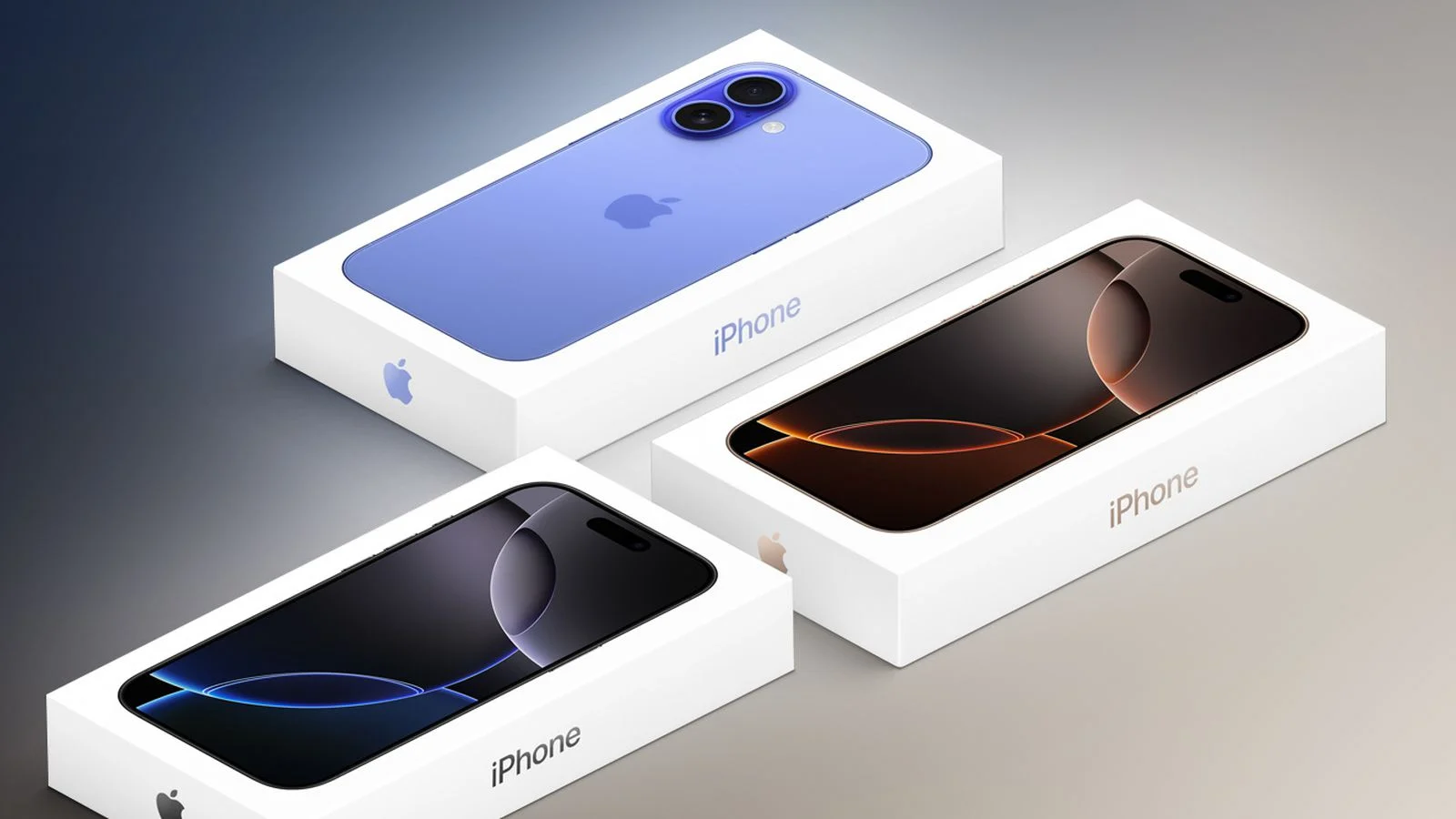
According to Bloomberg reporter Mark Gurman in the latest issue of "Power On" newsletter, Apple has faced more and more fraud problems related to product returns in recent years. After purchasing an iPhone or other Apple product, some consumers remove the accessories from the package, open the device to take out internal parts, or even take the entire phone, then repackage it and apply for a refund. They hope that retail store employees will not be able to detect in time that items in the packaging have been missing or dismantled.
In the past, when Apple retail store employees processed iPhone returns, they usually needed to open the packaging and verify whether the phones and accessories were complete one by one. Even if the outer packaging appears to be intact, store associates may need to unpack and inspect it to avoid putting empty boxes, items with missing accessories, or disassembled devices back in stock.
While this approach can help identify fraud, it also comes with additional costs. Once the product packaging is opened, even if there is no problem with the phone after inspection, it may need to go through additional warehousing and processing procedures before it can be re-sold as an unopened product. For Apple's retail network, which has a large sales volume, this not only increases the workload of employees, but also affects inventory turnover efficiency.
The purpose of the new equipment is to resolve this contradiction. According to Gurman, store associates can use the device to scan the iPhone inside the package and run diagnostics to check if the phone is intact. If the test results are normal, the retail packaging can remain sealed and the merchandise has the opportunity to go directly back into inventory without having to be unpacked for routine inspection.
Apple has started to provide this set of equipment to some retail stores this month, and related equipment is gradually being put into use. However, Apple has not disclosed its specific technical specifications, nor has it detailed what internal components the diagnostic program can check, or how the device will recognize that the phone has been disassembled or parts have been removed.
This new system is related to Apple’s previously launched Presto technology. Presto is a set of devices designed by Apple for retail stock that can install software updates to iPhones in the box without opening the packaging. In this way, Apple can let the device run a newer system version before the phone is shipped to consumers, while retaining the original sealed packaging.
Presto usually uses a cabinet-like device that can hold multiple iPhones at a time and interact with the devices in the package through methods such as near-field wireless communication. Previously published information showed that a round of software updates usually takes about 15 to 30 minutes. The testing equipment launched by Apple this time uses similar in-package operation ideas for return verification, but its specific hardware structure and testing principles have not yet been disclosed.
This also means that Apple is trying to free more operations in the retail process from the unpacking process. For software updates, the device can complete system preparation while the packaging remains intact; for return inspection, the device hopes to confirm whether the phone is missing or abnormal while avoiding unnecessary damage to the product packaging.
However, the new devices do not mean that Apple has been able to completely eliminate return fraud under any circumstances. The exact capabilities of in-package detection still depend on what device information the diagnostics have access to, and whether the phone boots up and responds properly. If the device is severely damaged, cannot communicate, or has anomalies that the diagnostic system cannot identify, store associates may still need to perform further inspections.
Currently, Apple has not announced a global deployment schedule for this testing equipment, nor has it confirmed whether it will be expanded to iPads, Apple Watches, or other products. At this stage, relevant reports mainly focus on the iPhone return inspection process.
From a retail operations perspective, the value of this technology lies not only in preventing theft, but also in reducing the additional costs caused by product inspection. Apple can improve inventory management efficiency by avoiding unpacking normal merchandise as much as possible while maintaining a strict return review process. For consumers, if the returned goods can be verified faster, the normal return process may also be smoother.
As the resale market for high-value electronics continues to expand, retailers face increasingly sophisticated methods of returns fraud. Apple's attempt to use device diagnostic technology to inspect sealed packaging reflects the shift in retail loss prevention from manual unpacking and inspection to automated inspection. However, Apple still needs to further disclose relevant information on how much fraud losses this system can ultimately reduce, how many stores it covers, and whether it can be used in more product categories.
Comments