
Abstract:
Apple’s latest macOS 27.2 Beta 3 test version has once again triggered speculation about touch-screen MacBooks. Developers discovered in the system code that Apple is adding new touch gesture support to multiple system applications, which is considered an important signal for Apple to prepare for future touch-screen MacBook products.
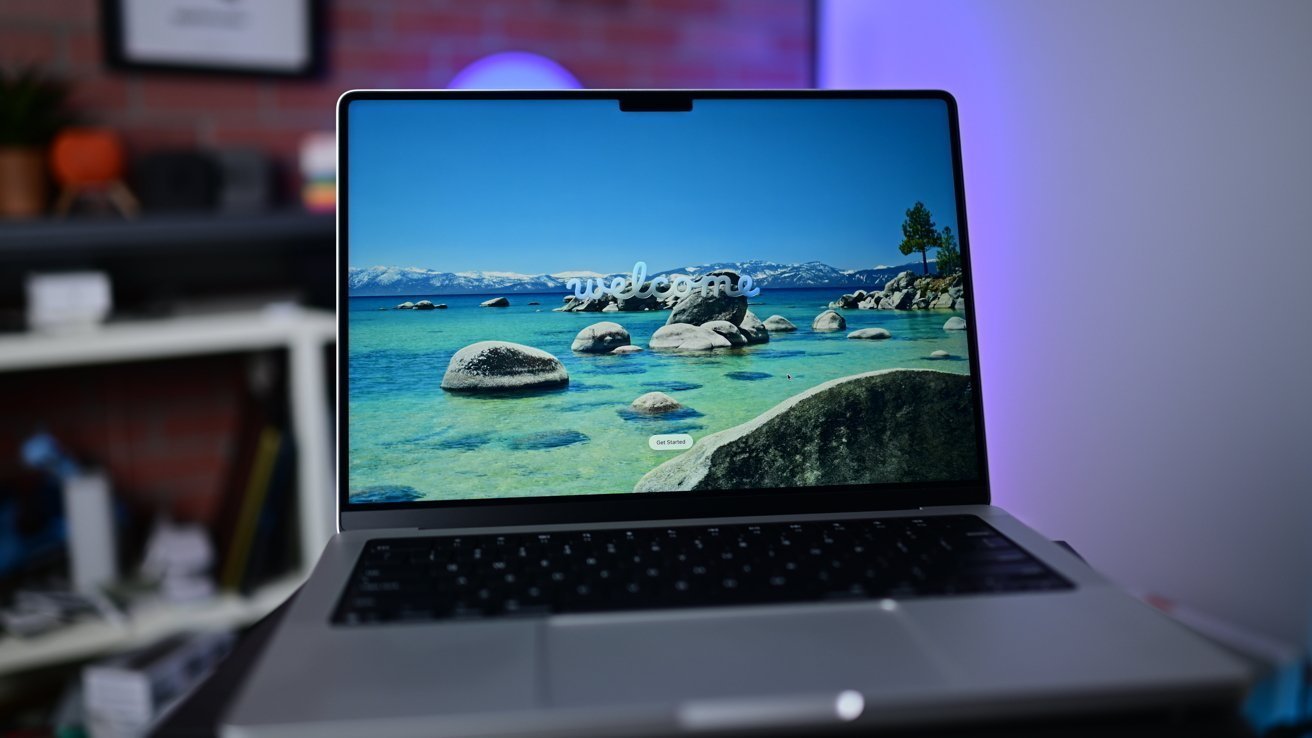
According to the code information in the test version, the memo application has added a touch recognition function called "ICTouchPressGestureRecognizer", and Quick Look has added the "dragTouch" capability. At the same time, Safari browser has also added a new touch recognition mechanism. However, these functions currently only exist in the underlying code of the system and have not yet been officially opened to users.
In fact, rumors about Apple developing a touch-screen MacBook have been going on for years. Although Apple has long insisted on using different interaction methods for Mac and iPad, in recent years there have been more and more signs showing that the company is gradually strengthening macOS's support for touch operations.
Industry insiders believe that these new features may serve two directions at the same time. On the one hand, they can further enhance Sidecar functionality. Sidecar allows users to use iPad as an extended display for Mac, and the latest version of macOS has begun to support touch operations directly on the Mac interface through iPad. On the other hand, these new touch gestures may also be preparing for future touch screen MacBooks.
The analysis points out that if Apple is developing a touch-screen MacBook, it will be a necessary step to gradually add native touch support to Safari, Notes, and other system applications. By improving the touch interaction experience at the macOS level in advance, Apple can ensure that there will be a more mature software ecosystem when relevant hardware is released.
In recent years, Apple has begun to share underlying technology results among multiple products and systems. For example, a feature developed for the iPad may eventually be applied to the Mac product line, and technical improvements on the Mac may also drive the development of other platforms in reverse. The new touch functionality discovered in macOS 27.2 is considered to reflect this unified development strategy.
The previous macOS Golden Gate version has brought more complete touch support to Sidecar, allowing users to directly operate the Mac interface through the iPad. Now as more applications begin to add specialized touch recognition capabilities, it is generally believed that Apple is further advancing in this direction.
It is unclear how these new gestures will ultimately be presented to users, nor whether they are prepared for Sidecar upgrades or developed specifically for future touch-screen MacBooks. However, multiple sources have pointed out that Apple’s first MacBook Pro equipped with a touch screen is expected to be officially released between October and November 2026.
If the relevant rumors are true, then the upcoming new MacBook will not only become the first Mac notebook in Apple’s history to support touch operation, but may also be equipped with many major upgrades such as an OLED display. The latest development progress of macOS 27.2 has further enhanced the outside world’s expectations for the upcoming release of this product.
Comments