
Abstract:
Although Macs and iPads have become more similar over the past few years, Apple has said it has no plans to merge macOS and iPadOS into a single operating system. With the launch of the first touch-enabled MacBook Pro, speculation about whether Apple will eventually build a unified platform has heated up again, but the answer given by Apple executives is still no.
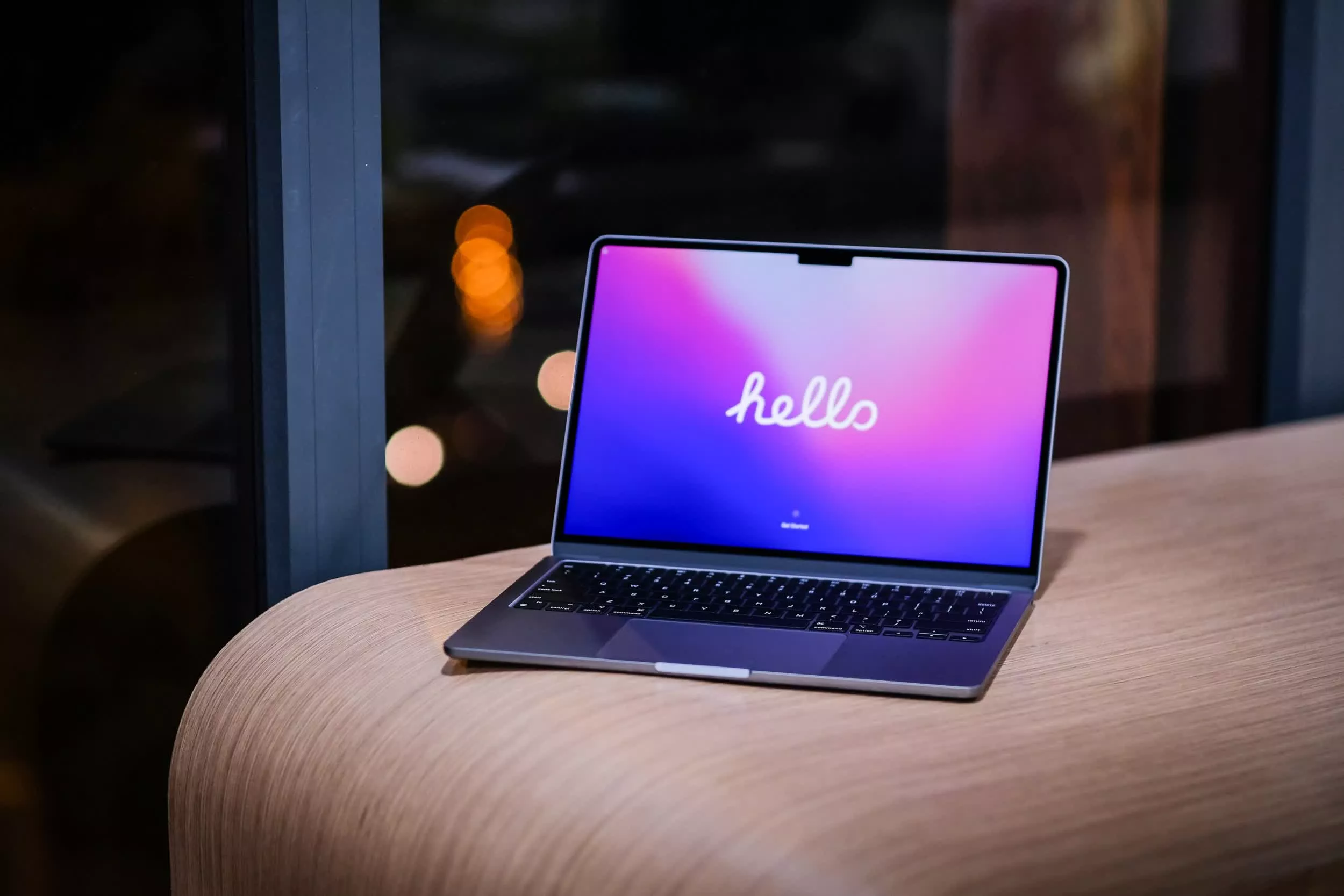
Apple CEO John Ternus recently responded to analysts’ questions at the company’s fiscal 2026 fourth quarter earnings conference call, saying that Apple currently has no plans to fundamentally change the positioning of Macs and iPads, nor does it have any plans to merge the two major operating systems. He emphasized that Apple is proud of both Mac and iPad product lines, and the company has been focused on making each product the best version in its category while continuing to promote cross-device collaborative experiences.
Ternus pointed out that over the years Apple has continued to expand features and capabilities across the entire ecosystem, such as handoff between iPhone, iPad and Mac, and other cross-device experiences, but this does not mean that the company will integrate different platforms into a single system. He said that Apple is more focused on how to create the best product experience rather than changing the core positioning of the product itself.
This stance continues Apple’s consistent stance in recent years. As early as last year, with iPadOS 26 introducing window management and multi-tasking operation functions that are closer to Mac, discussions about the integration of the two platforms have heated up. At the time, Apple's head of software engineering Craig Federighi was vocally opposed to merging iPads and Macs. He used the metaphor of a "fork and spoon in one tool (spork)" and believed that after forcibly merging the two products, it may end up being neither an excellent spoon nor an excellent fork, and cannot meet any use scenario well.
However, Apple's product evolution in recent years has also continued to blur the boundaries between the two product lines. Today's Macs and iPads have widely adopted the same M-series processor architecture, and some entry-level Mac products even use chip technology directly derived from the iPhone. After connecting a keyboard and mouse, the iPad can already provide a usage experience similar to that of a laptop, and the interface design and multitasking functions of iPadOS are getting closer to desktop systems.
At the same time, Apple's release of its first touchscreen MacBook Pro last week further strengthened this trend. The new products not only add OLED touch displays, but also introduce design concepts such as Dynamic Island that are more commonly seen in mobile devices. Many observers believe the changes show that Macs and iPads are sharing more and more software and hardware features.
In contrast, Microsoft has been pushing Windows to play the role of both tablet and laptop operating systems for many years, and Google has recently begun to actively promote Android laptop products. The two companies are trying to achieve the integration of tablets and computers from different directions. Industry opinion believes that Apple actually has the most complete and mature tablet and desktop software ecosystem, so it is theoretically the most capable of creating a truly successful two-in-one platform.
However, Apple may also be one of the manufacturers least willing to promote full integration. Maintaining an independent platform system not only allows different products to have clear positioning, but also helps maintain their respective business models and application ecosystems. In particular, the iPad app ecosystem has long relied on the App Store distribution system, and Apple has always insisted on maintaining strict control over the mobile platform.
Judging from the current situation, Apple will continue to share functions and technical achievements between macOS and iPadOS in the future to keep the two platforms synergistic and consistent in experience, but it will not move towards a truly unified operating system. Mac and iPad will continue to exist as products with different positionings, developing independently while maintaining ecological linkage.
Comments