
Abstract:
In previous years, September has arrived, and iPhone, Apple Watch, and AirPods have appeared in turn, and Apple’s new product season of the year has reached its climax. Unexpectedly, the battle in October this year seems not to be inferior to that in September - HomePad, new HomePod mini, new Apple TV, iPad mini 8, and touch screen MacBook.
My wallet hasn’t recovered yet, and Apple has already started the next round.
The recent actions of Apple's new CEO John Ternus also sound like an engineer. He has accelerated product development progress, adjusted management levels, and frequently appeared in the design studio.
What Apple products will become next has already begun to take shape after reading these new products.
Apple and LG have even arranged doorbells and cameras
According to Bloomberg, Apple is co-developing a range of smart home accessories with LG, including wired video doorbells, smart door locks, thermostats, temperature sensors, and indoor, outdoor and floodlight cameras.
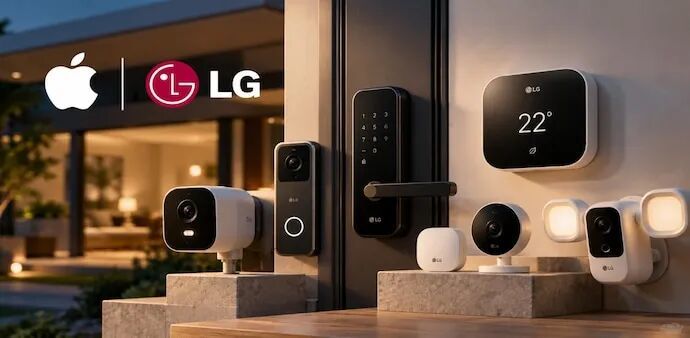
However, you probably won't see a door lock with the Apple logo on it.
It is reported that these products use the LG brand, and LG is also responsible for manufacturing and after-sales. Apple is involved in co-development to make them work with the upcoming Home Hub, the new HomePod mini and Apple TV.
There is actually a precedent for this kind of cooperation. At that time, Apple temporarily left the external monitor market and jointly developed UltraFine monitors with LG. Apple users buy a monitor that works with their Mac, and Apple doesn’t have to do everything themselves.
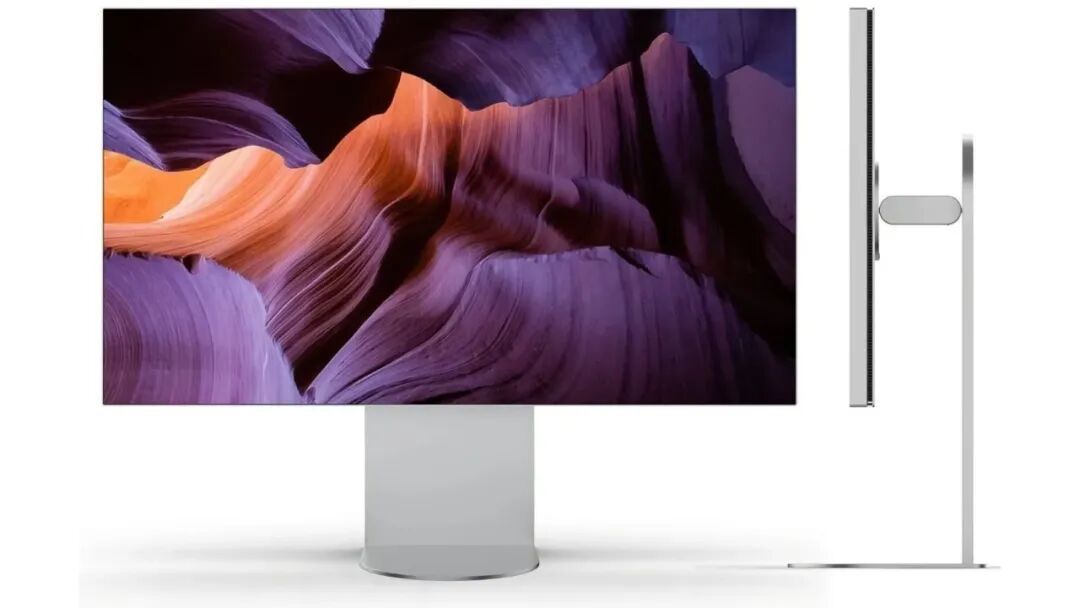
Today, the products that need to take over these tasks have changed from monitors on the desk to doorbells and cameras at home.
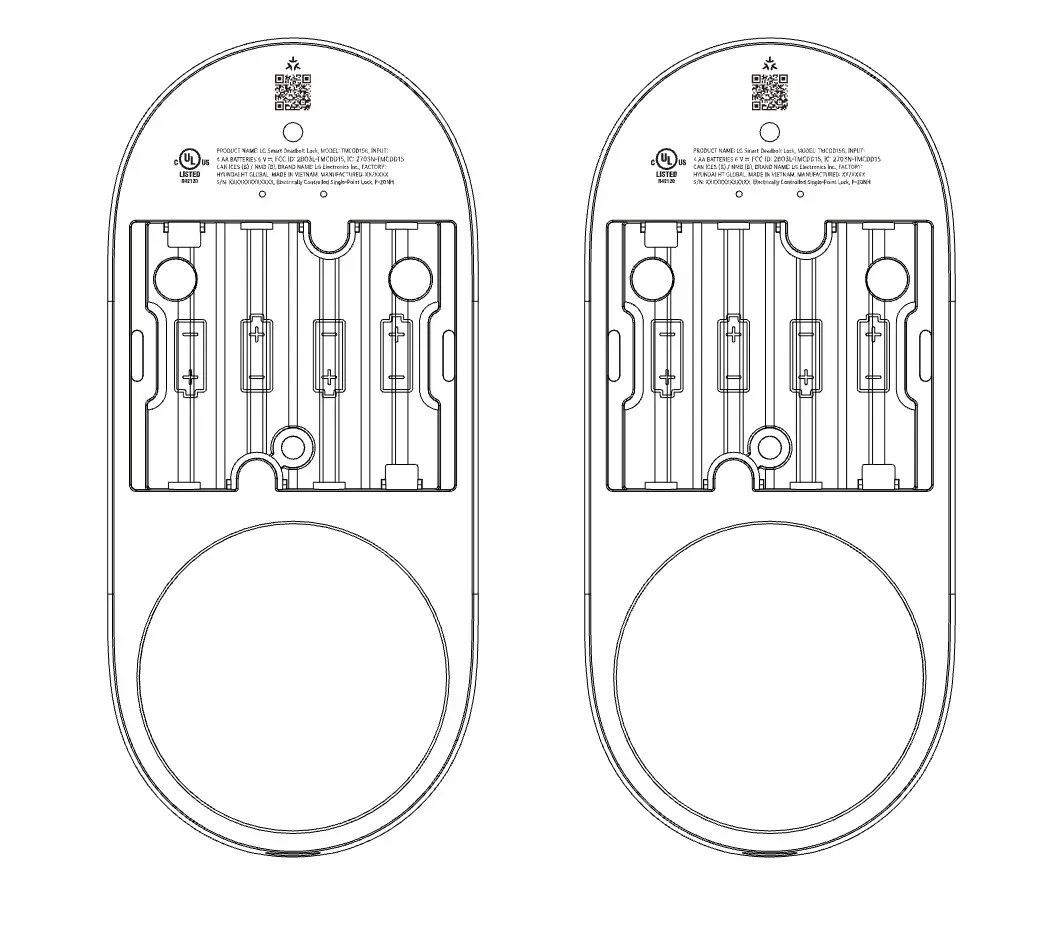
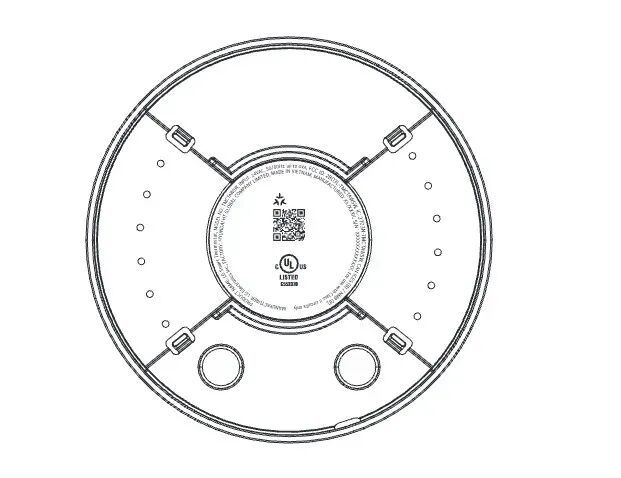
Regulatory declaration diagram for LG smart door locks and thermostats
Some devices have already appeared in regulatory documents. A variety of accessories support Wi-Fi, Bluetooth, Thread and Matter, and the door lock also supports UWB, which can automatically unlock when approached.
As for how to install the door lock, how to withstand the wind and rain of the outdoor camera, and who to find to repair it if it breaks down, these things are far more troublesome than showing a beautiful interface at the press conference. By letting LG handle manufacturing and services, Apple can more quickly make up for the equipment it has been lacking in the past.
After all, it has been more than ten years since HomeKit was launched in 2014. Amazon Ring and Google Nest have already sold doorbells and cameras into users' homes. Apple can't just provide a "home" app and wait for others to fill it.
Currently, it is reported that Apple’s own home equipment is scheduled to be unveiled on October 13, and LG’s accessories will have to wait a few more months to be available.
HomePad is here, Siri AI enters the living room
The protagonist surrounding these accessories is the long-rumored home hub, which is temporarily called HomePad.
Current news points to a roughly 6-inch square touch screen that can be placed on a table or mounted on a wall. The desktop model uses a round metal base and arm design, which looks a bit like the iMac G4.
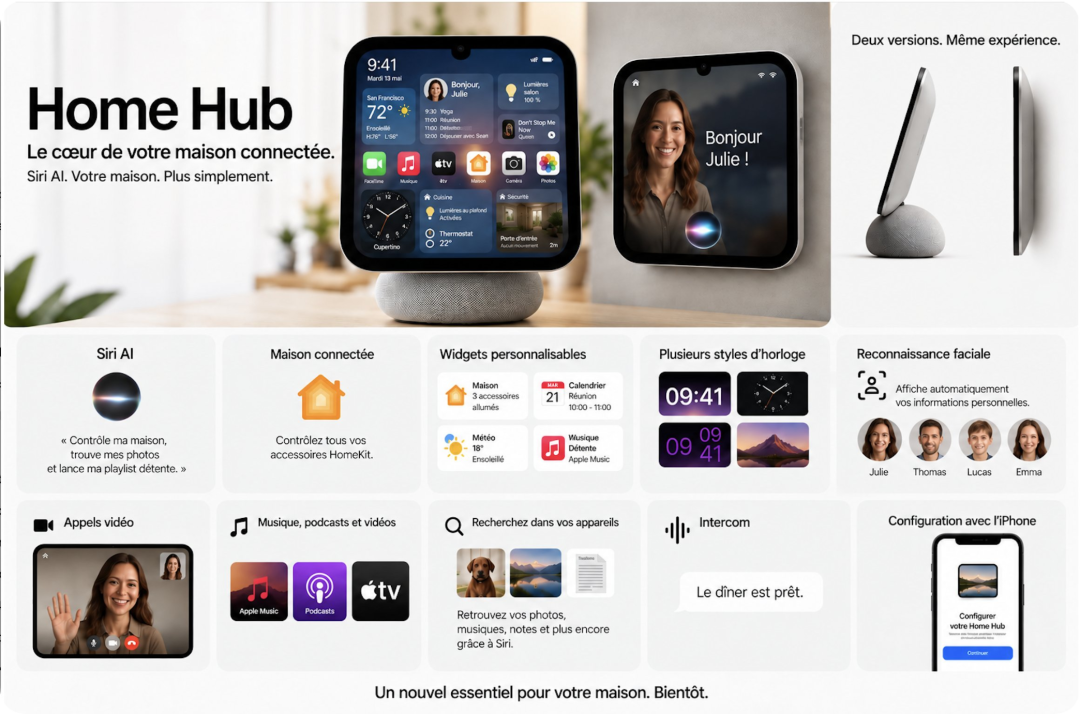
Playing music, making FaceTime calls, checking calendars, and controlling home devices are all tasks it has to undertake.
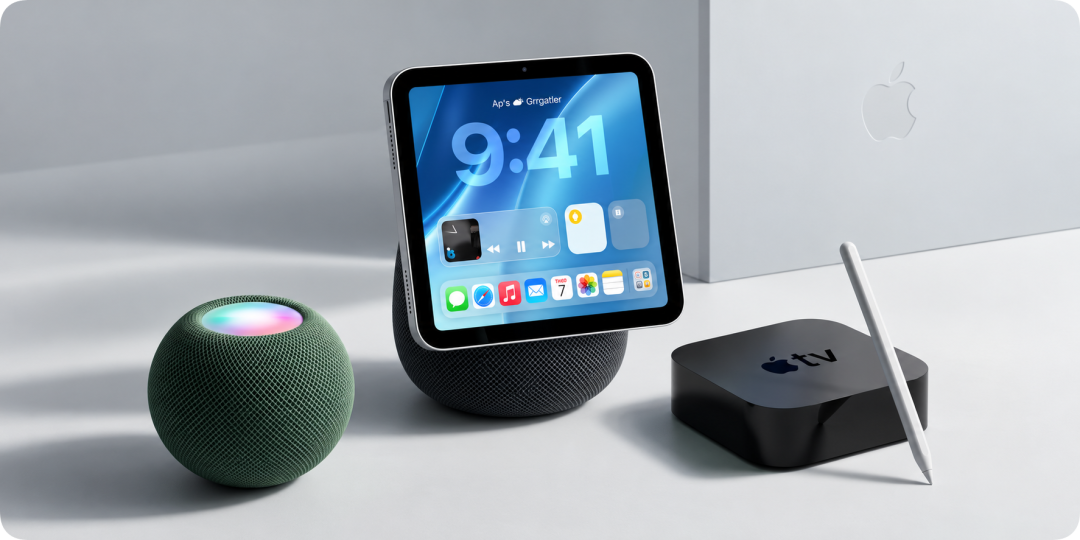
HomePad concept drawing, not final product appearance
Everyone is familiar with speakers with screens. If Apple wants to convince users to spend money, it must first answer: Can’t the iPad that has been retired from home do these things?
There is a set of interactive designs in the news, which shows Apple’s thinking.
When the person is standing far away, the screen only displays key information, and detailed operations begin when you get closer. It can also identify different family members and switch their respective calendars, reminders and other content.
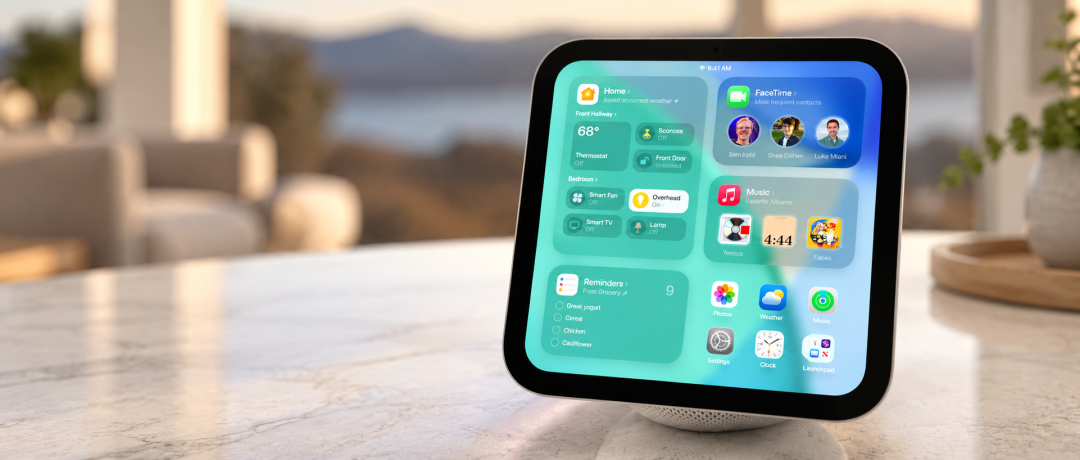
This is much more complicated than adding a screen to HomePod. The iPad usually follows a person's account, but the device in the living room may be used by another person at any time. When you put the notifications you take for granted on private devices on a public screen, you have to reconsider how to display them.
The new version of Siri AI will also be put to the test here. Whether it can tell who is issuing instructions, understand successive requests, and accurately call the corresponding device will determine how useful the HomePad is in the end.
After all, repeating "turn off the lights" three times in front of a screen in the living room makes it difficult to believe that this is the future.
Touch screen MacBook, macOS ready
In addition, the touch screen MacBook is really coming this time.
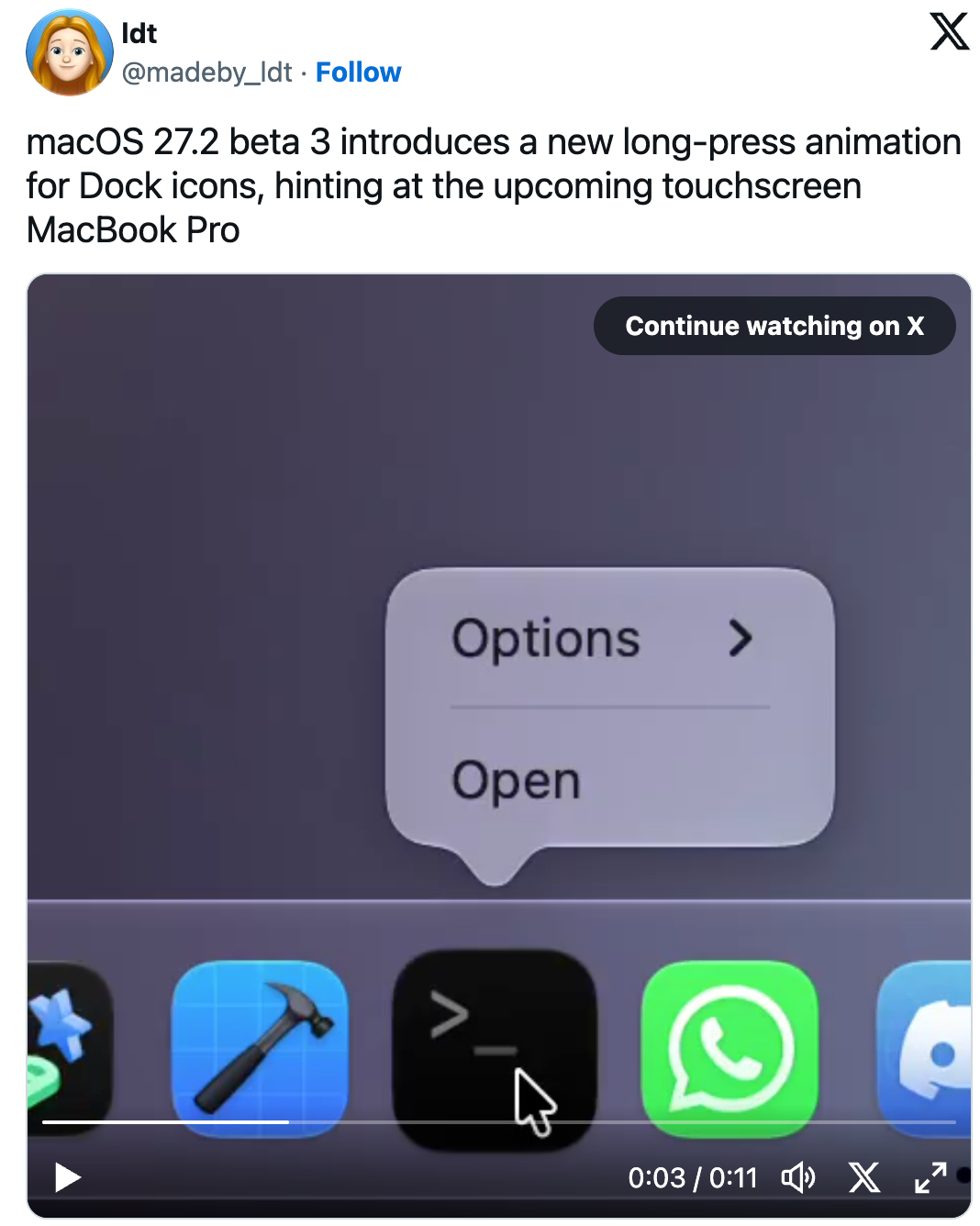
In the latest macOS 27.2 beta version, press and hold the application icon in the Dock, and the icon will be slightly enlarged, similar to the long-press feedback on iPhone and iPad. Of course, an animation can't make it into a touch-screen Mac, but at this point in time, it's hard not to think too much about it.
Current news points to two higher-positioned 14-inch and 16-inch notebooks, which may continue to be called MacBook Pro, or may adopt the rumored MacBook Ultra name, and are expected to be launched in October or November.
Touch screen, double-layer OLED, thinner body, and smart island are probably the most significant updates of this product.
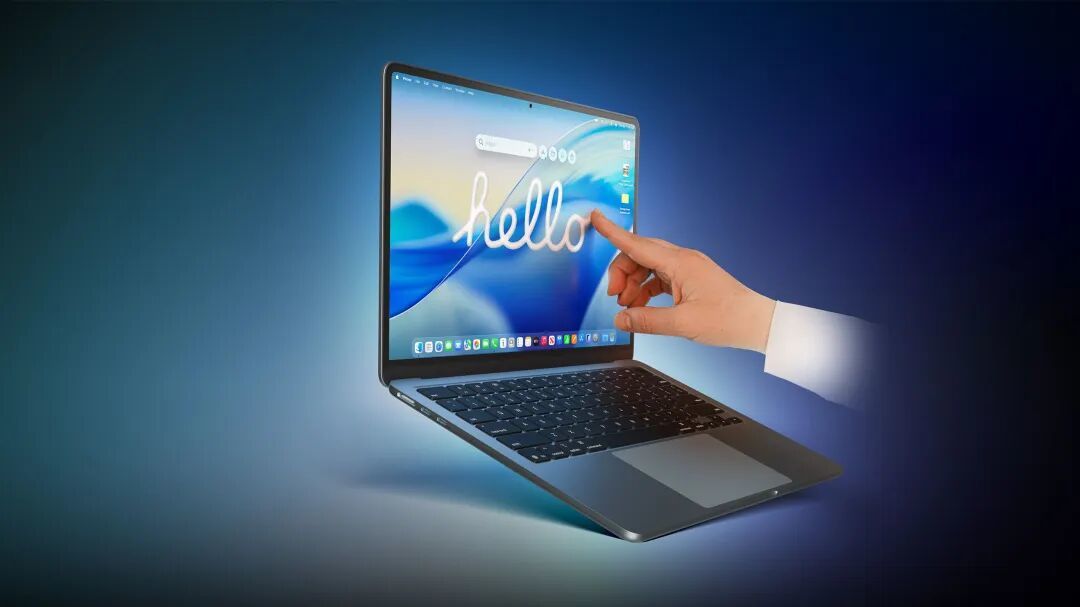
For those who carry a computer and commute to work every day, there is a change that may be more attractive: losing weight.
Mark Gurman mentioned that Apple has rearranged internal components and shrunk some parts to make the new machine "significantly lighter." There is no figure yet on how much lighter it will be, but 16-inch MacBook Pro users are probably already looking forward to it.
In terms of chips, the latest revelations are still M5 Pro and M5 Max. Therefore, a considerable part of the highlights of this round of major changes will fall on the screen and body.
Touch will pose a new problem for macOS. The menus and buttons prepared for the mouse in the past may not be easy to touch with fingers; which operations are suitable for touching the screen directly and which ones should still be left to the keyboard and trackpad also need to be rethought.
iPad mini 8, those with small screens finally wait for OLED
The rumored iPad mini 8 is also getting a better screen.
Based on current news, the new phone is expected to use an OLED panel, narrow the frame, and replace it with an A20 Pro chip. The memory will be increased from 8 GB to 12 GB. The front camera will also be repositioned to make horizontal video calls more natural.
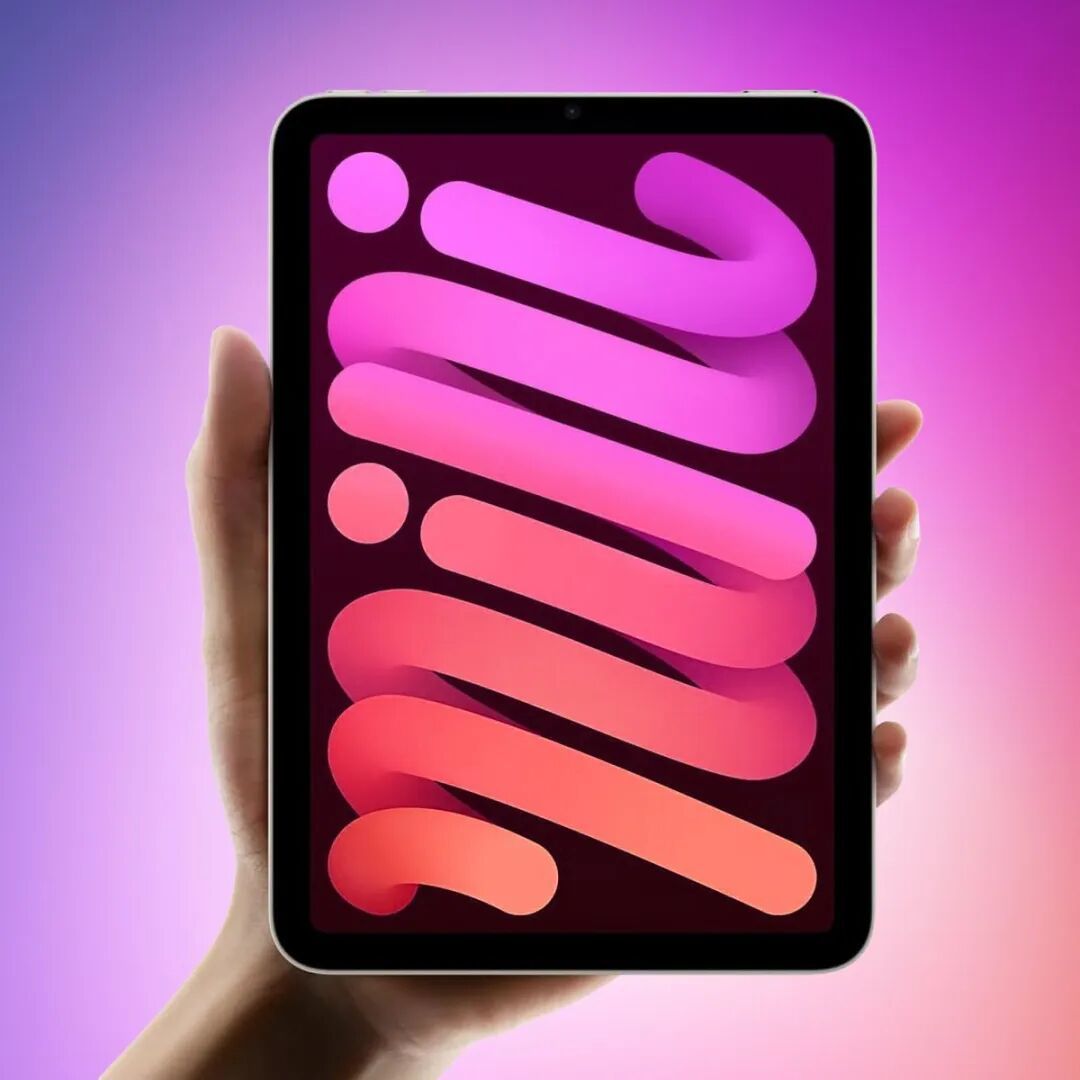
People who like mini often have very simple requirements for it. It's easy to hold, and it's not burdensome to stuff into a small bag when going out. It's enough to make them give up on a larger screen.
You can choose a small size, which does not conflict with wanting a better display effect.
OLED has deeper blacks and higher contrast. It is easy to feel the difference in scenes such as watching movies before going to bed. For users who insist on small size, this round of upgrades finally no longer has to focus only on the chip model.
Other updates may also include the N1 chip supporting Wi-Fi 7, Bluetooth 6, and the cellular version using Apple’s own modem.
The speaker may also be redesigned, eliminating the traditional speaker hole and adopting a new sound-producing structure. The new phone is also expected to have an IP waterproof rating for the first time, but it’s not yet clear which level it will reach.
The release time of iPad mini 8 is temporarily pointed to October. The current iPad mini has risen to starting at US$599 in the United States. After switching to OLED, the price of the new model is likely to continue to increase.
Apple CEO’s time begins to be spent more on products
According to Gurman, Ternus now walks into the design studio several times a week to personally participate in the team's work, sometimes making multiple trips a day. Cook used to visit once a month at most, staying for about an hour.

Ternus is deeply involved in two teams: industrial design and human-computer interface. Molly Anderson and Steve Lemay are responsible for the day-to-day leadership of the team, while he himself makes the final decisions on design. Apple is not currently looking for an external chief design officer to coordinate these efforts.
Having experienced the continuous loss of design talent, he is still filling the vacancies in the team by promoting young designers and recruiting from outside. In addition to personally participating in design, he is also reorganizing the people who do design.
To free up time, more financial work was given to Kevan Parekh and supply chain to Sabih Khan. He himself frequently cooperates with the head of hardware and continues to deepen product development.
A company focuses its attention where its CEO spends his time.
This change also extends within the organization. Ternus was revealed to want to reduce the management layers between engineers and senior management, encourage more experimentation, and reduce reliance on centralized releases in the spring and autumn, allowing the team to launch new products more frequently throughout the year. Relevant reforms are still being discussed and advanced, and it may take several years to change this system that has been in operation for many years.
Of course, these autumn new products have gone through long-term research and development, and of course they cannot all be attributed to the adjustments made by Ternus after taking office for more than a month. But as the variety of products increases, Apple will also encounter more problems that require cross-team decisions.
HomePad's family member recognition is one example. After the camera recognizes who is standing in front of it, the system must also determine what content is appropriate to appear on the public screen. It would be difficult for a team to optimize such a function alone.
Ternus dives into engineering and design simultaneously, giving these discussions a chance to be responded to earlier. He knows how products are made and now has the power to decide which problems deserve Apple's continued time to solve.
Gurman also told a short story about succession. Ternus once expressed concerns to Cook: After all, he could never become another Cook. Cook's response was brief - "I know you're not like me."
This conversation made Ternus realize that he needed to do the job in his own way. Later, when he told his employees, he said:
I need to spend my time where I can create the most value for Apple.
Today, the design studio has become a place where he often appears. A CEO with a background in hardware is putting the work he is familiar with back into his schedule at the helm of Apple.
For a company that relies on its products to make people remember, the CEO’s seat should be closer to the prototype.
Comments