
Abstract:
On November 2, Bloomberg published an article stating that Apple had the opportunity to create a new touch screen experience on the Mac, but the company only regarded it as a regular upgrade to be safe and did not provide many reasons to attract users to use this feature.
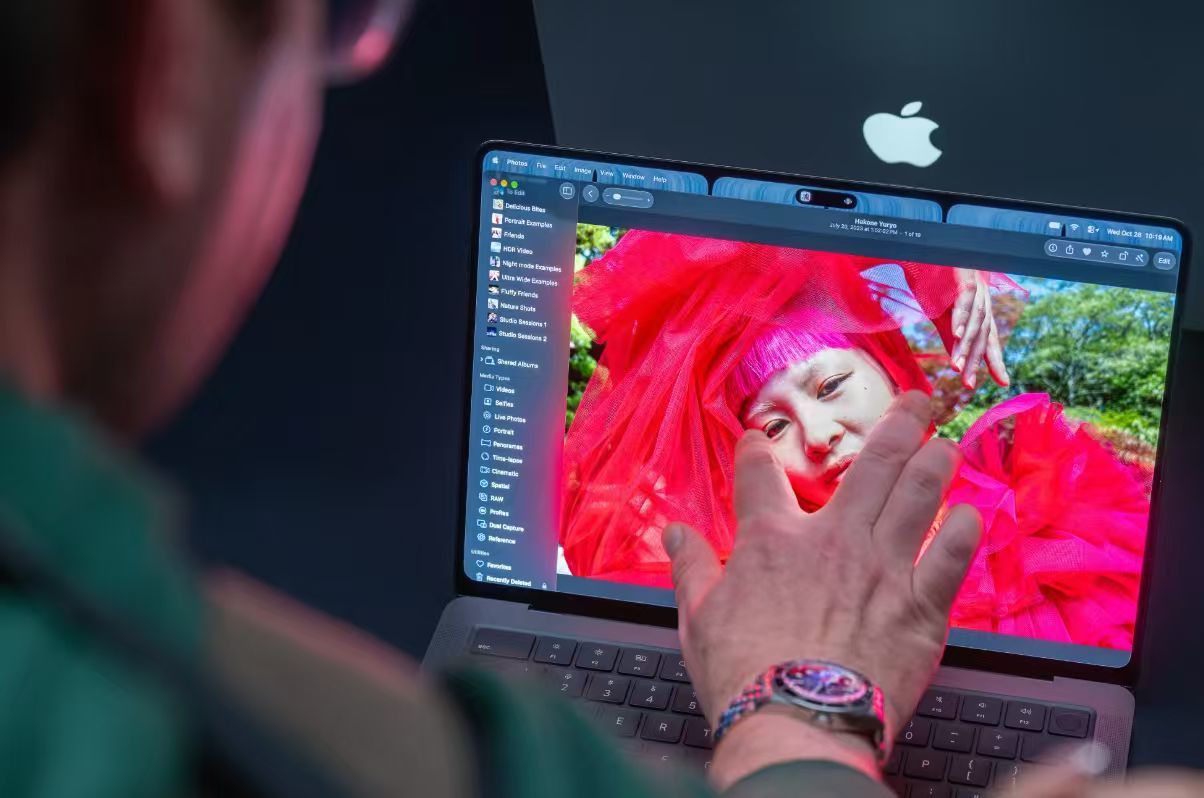
Apple releases touch screen version of MacBook Pro
As Apple’s first foray into the field of touch-screen laptops, the design of the new MacBook Pro can be described as quite conservative. Compared with the iPhone Duo, which took Apple into unfamiliar territory, the MacBook Pro strictly follows Apple's known and effective product design ideas.
Apple excels at honing familiar hardware designs, creating one of the best displays in the industry, and tightly integrating chips and software. Today, Apple laptops come with reliable keyboards and trackpads, as well as great battery life, excellent speakers, and high-quality cameras.
Adding touch screen functionality to the Mac should have been regarded as the most significant change to the Mac in the past five years or so. However, Apple presented it as a regular upgrade rather than taking the opportunity to create a new product experience. The new model has significantly reduced weight and is slightly thinner, while also improving thermal management and redesigning the cooling system. However, they look very similar to the 2021 models that are widely recognized by users, and are still powered by the same M5 Pro and M5 Max chips launched this spring.
Insufficient selling points
Apple finally launched a touch-screen Mac, but it gave customers few new reasons to take advantage of the feature. As previously expected, Apple's implementation at the software level mainly focuses on basic operations such as clicking, sliding, pinching, zooming and scrolling. Perhaps the most interesting application is using the touch screen to test iPhone applications in development, but this is hardly a mass-market selling point. In some cases, the controls on the touch screen are even too small to be easily tapped.
The addition of touch screens does not bring a new interaction mode, but is more for marketing and business considerations: it fills a long-standing functional gap between Apple and Windows laptop manufacturers; it caters to consumers who grew up with iPhone and iPad. These users may find it strange that a more expensive Apple laptop does not support touch operations; at the same time, it also provides Apple with a new selling point to promote to potential switch users. This change also makes the interactive experience between different Apple products more unified.
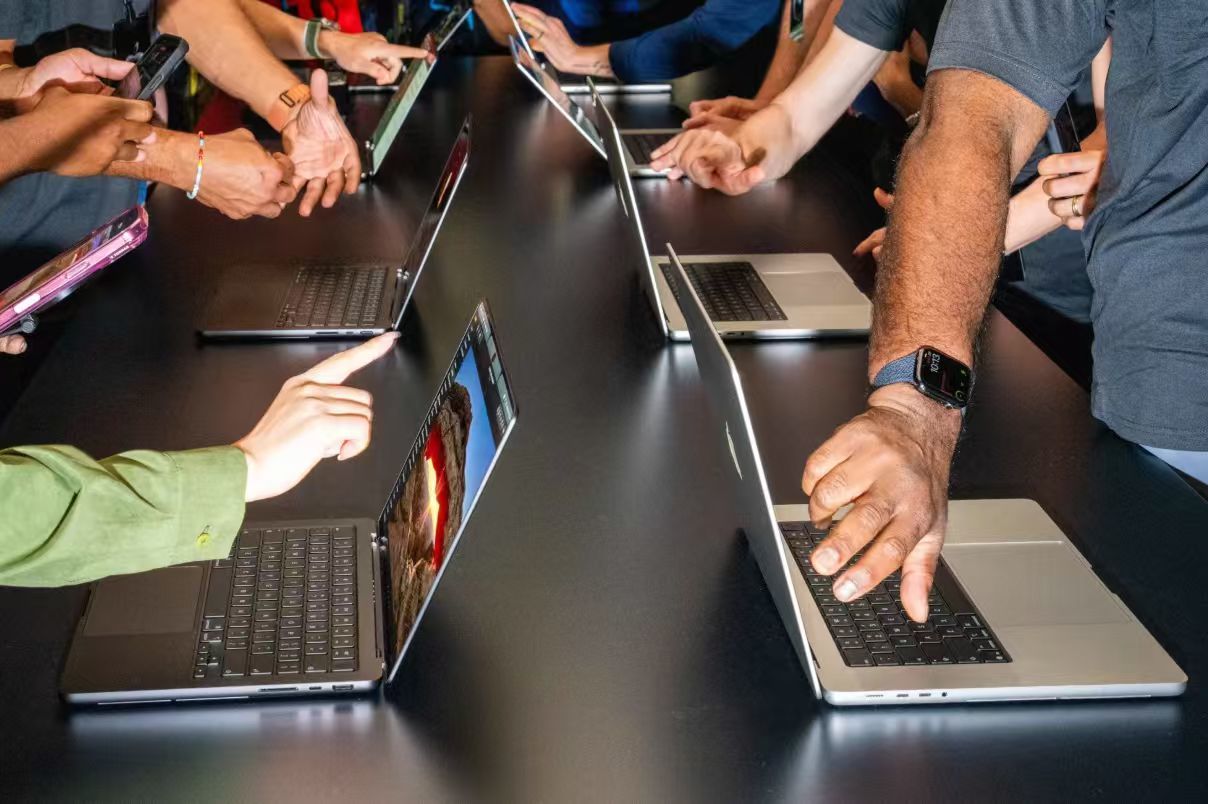
The new MacBook Pro’s touch screen feature is not a selling point
On the MacBook Pro, the hardware changes to adapt to the touch screen are less exciting. The display can't be flipped back or adjusted to an angle suitable for using the computer as a tablet, and it doesn't support the Apple Pencil stylus. Apple has only strengthened the screen hinge to reduce the shaking of the screen when users click on the screen, and also added software anti-shake function to make the camera picture more stable and smooth during video calls.
However, there is at least good news for Apple's financial performance: Apple apparently does not have to worry about this touch-screen notebook affecting iPad sales. For those consumers who want to buy an iPad, there is no reason enough to stop buying an iPad with a touch-screen Mac. In fact, the further unification of interactive experiences between different devices may make more consumers want to buy Macs and iPads at the same time.
Things should get a little more interesting next year. By then, Apple will launch the second-generation touch screen MacBook Pro. These models will be equipped with M7 Pro and M7 Max chips to support new AI hardware features. Apple also plans to launch an entry-level 14-inch M7 MacBook Pro, adopting the thinner and lighter body design and narrower bezels launched on the high-end model earlier this week.
OLED screen is a bigger highlight
On the first-generation product, Apple charged an additional $400 for the touch screen, OLED display and Smart Island interactive interface. The M5 Pro and M5 Max versions of MacBook Pro without touch screens will continue to be sold. But going forward, Apple is unlikely to continue developing non-touchscreen versions of its high-end laptops. After all, managing two high-end MacBook Pro product lines at the same time will put additional burdens on Apple's engineering, marketing and manufacturing teams, and the prices of the two are already very close, so the eventual unification of the product lines may not be too far away.
No matter what, the new notebook is still exciting. A lighter design would be welcome, but OLED is the main attraction. This technology delivers the vibrant colors and contrast that iPhone users are accustomed to.
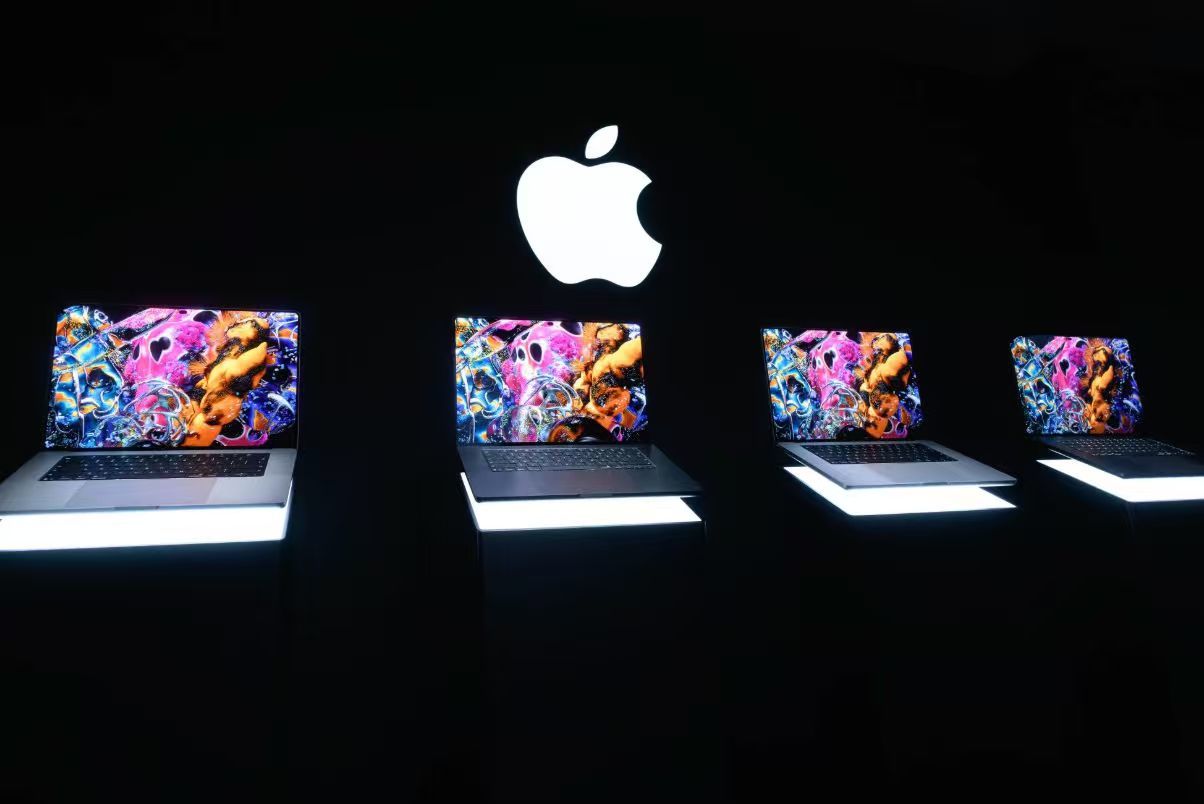
OLED screen is a bright spot
There is a reason why Apple specifically named OLED in the name of the new MacBook Pro but did not mention touch. The iPad Pro's screen is excellent, and getting this kind of picture quality on a larger screen should be a substantial improvement in daily work.
In the early days of CEO John Ternus taking charge of Apple, the company has achieved a lot, but this new product launch hardly showed a new vision for bold innovation in the field of computing devices. Apple should speed up its exploration of next-generation product forms and think about what kind of devices can replace today's Mac and iPad designs, even if it means merging the two into one.
The new MacBook Pro shows that Apple is still better than any other company at improving existing product categories. But it remains to be seen whether the company can further break through the existing framework and launch truly new products.
Comments