
Abstract:
Apple announced that starting with the upcoming releases of iOS 27.3, iPadOS 27.3, macOS 27.3 and visionOS 27.3, it will conduct security reviews of content shared through public iCloud links. This move means that some photos and files originally shared publicly by users will be tested by Apple to see if they contain harmful content.
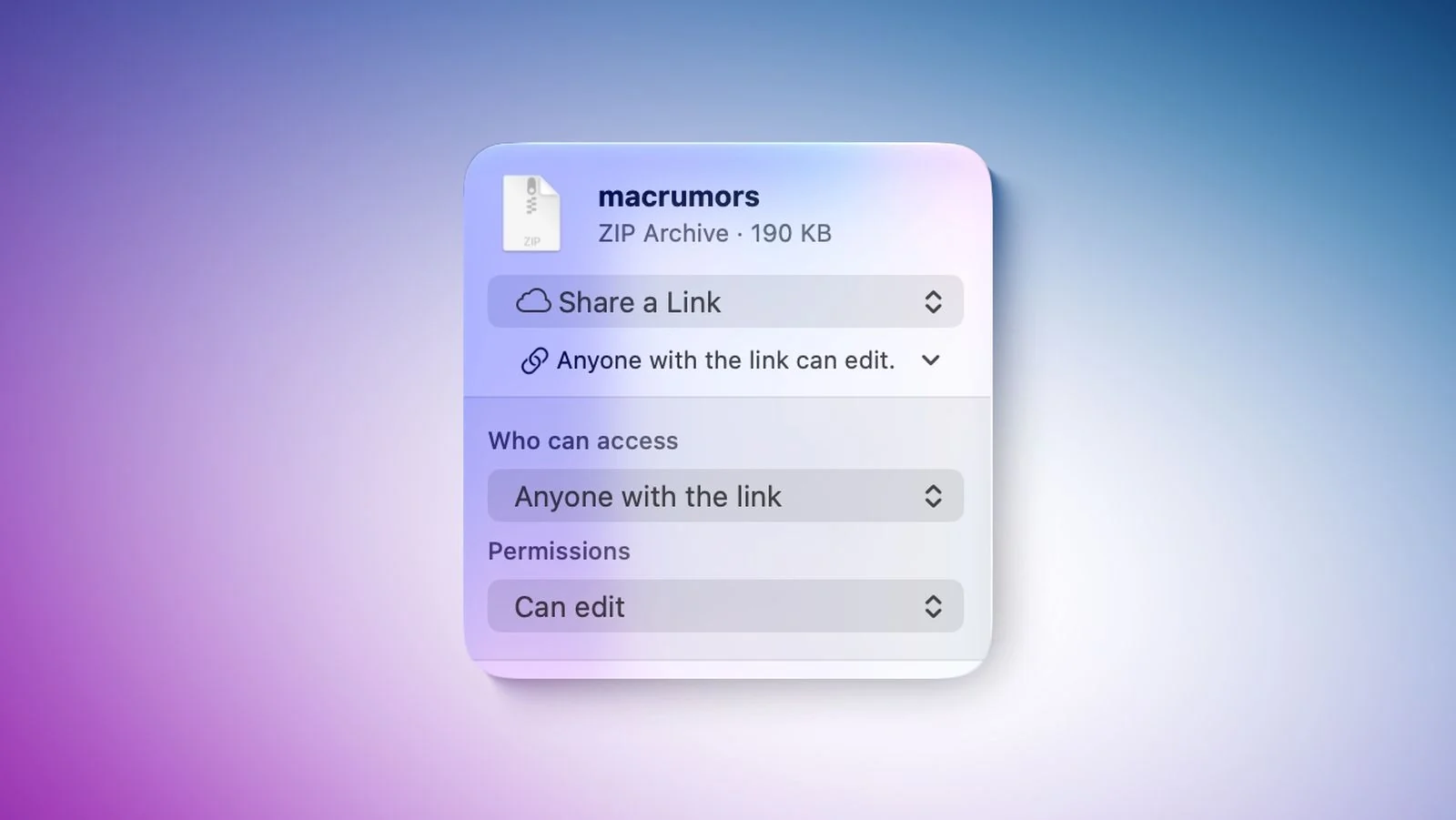
According to Apple’s updated instructions, when users share content using the “Anyone with the link” option in iCloud Photos or iCloud Drive, these images and files will be open to Apple for content inspection.
Apple did not elaborate on its specific definition of "harmful content." However, judging from its public policy, review targets may include illegal or harmful content such as malware, dangerous files, and child sexual abuse material. Apple also said that if necessary, the company may also cooperate with law enforcement agencies to handle related situations.
Apple emphasizes that if users upload content that is deemed harmful, the company reserves the right to move, refuse, modify, remove or delete the relevant content at any time. At the same time, Apple may also take further measures against the associated Apple account, including restricting or deactivating the account, preventing users from creating new Apple accounts using the same email address or phone number, and even referring the situation to law enforcement under certain circumstances.
Currently, iCloud file sharing mainly provides two methods. One is "Send a Copy", which sends the file directly to the recipient; the other is "Share a Link", which allows the recipient to download the file through the link. In link sharing mode, users can also choose "Access by designated persons" or "Access by anyone with the link." Apple said that this new content review mechanism only applies to the latter, which is a completely open link sharing method.
Apple has not yet explained whether public iCloud links that have been created before iOS 27.3 and other systems are officially launched will be included in the scope of inspection in the future, so the details of this part of the policy still need to be further clarified.
At the same time, Apple pointed out that once content is shared publicly in a form that is "accessible to anyone with the link," the content is no longer protected by end-to-end encryption, even if the user has Advanced Data Protection enabled. This means Apple can access relevant data and conduct content moderation processes.
Currently, iOS 27.3, iPadOS 27.3, macOS 27.3 and visionOS 27.3 have opened beta versions to developers. According to Apple's release plan, these system updates are expected to be officially pushed to the public in December this year.
This adjustment shows that Apple is strengthening its supervision of publicly shared content. Although the company emphasizes that it only reviews public links, this change also means that users who share files and photos publicly through iCloud will need to pay more attention to whether the published content complies with Apple's relevant regulations, otherwise they may face consequences such as content deletion and even account restrictions.
Comments