
Abstract:
Apple recently stated that rising memory chip prices are squeezing the company's profit margins. However, the Wall Street Journal combined Apple product prices and cost estimates from research institutions and found that even if memory chip prices rise significantly, the high-capacity version of the iPhone 18 Pro series still has a large price headroom.
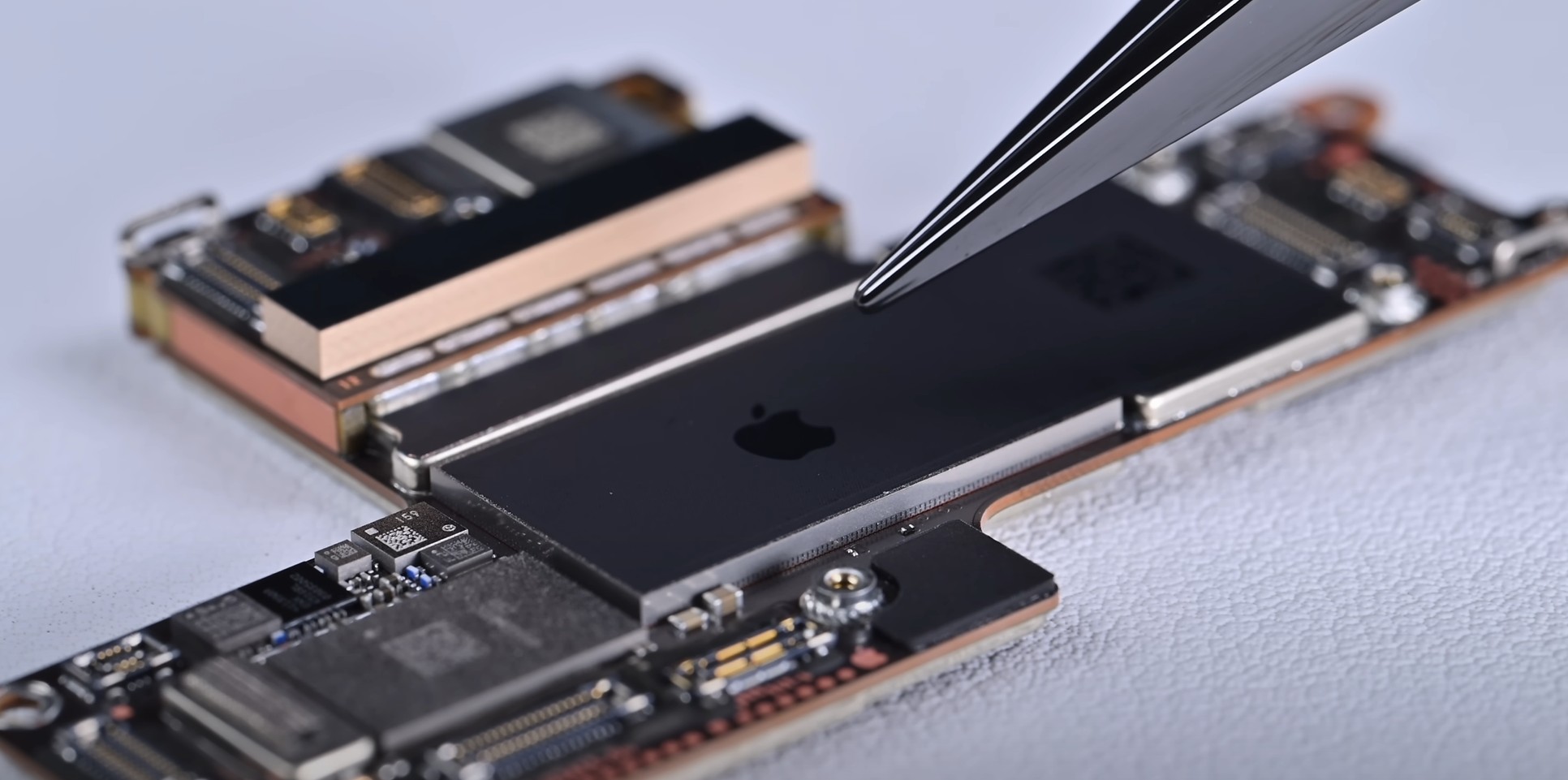
Take the US market as an example: to upgrade the iPhone 18 Pro from 256GB to 1TB, consumers need to pay an extra $600. However, the corresponding incremental cost of memory chips is estimated to be US$192, which means Apple can earn an additional US$408, which is equivalent to a 300% profit.
Estimates given by the Wall Street Journal show that there is a $400 price difference in upgrading the iPhone 17 Pro from 256GB to 1TB, and the incremental cost of the memory chip is $42, leaving Apple with a profit of $358. With the iPhone 18 Pro, Apple's incremental cost increased to $192, but consumers had to pay an additional $600 when purchasing, leaving Apple with a profit of $408.
According to this set of data, the iPhone 18 Pro upgrade price difference was approximately 3.1 times the incremental cost of flash memory, while the iPhone 17 Pro was approximately 9.5 times the cost at the time. The increase in memory chip prices has indeed increased Apple's component expenditures, but Apple has also increased the retail price of its products to ensure that its profit margins will not be reduced.
Apple has long charged higher prices for larger-capacity iPhones, iPads, and Macs. As artificial intelligence companies build data centers, demand for NAND flash memory and other storage chips continues to rise, causing Apple to also face higher procurement costs.
Research firms say it could cost Apple $25 billion to purchase roughly the same amount of flash memory chips this year, and about $6 billion in 2025. Flash memory chip suppliers now have more large data center customers, so their bargaining power has increased significantly.
Apple said in its recent earnings call that rising storage costs are putting pressure on the company's gross margins. However, Apple’s own data also shows that gross profit margin may only drop by 1 percentage point, which is nothing compared to the increase in iPhone.
Comments