
Abstract:
With the rapid spread of generative artificial intelligence tools and the difficulty of distinguishing the authenticity of deepfake images, Apple recently disclosed in detail the new photo authenticity verification technology it introduced on the iPhone 18 Pro series. This mechanism relies on a customized main camera sensor, Secure Enclave, and Private Cloud Compute architecture to cryptographically sign photos from the lowest source of light into electrical signals, aiming to provide an untamperable "digital negative" for news reporting, legal evidence, and public communication.
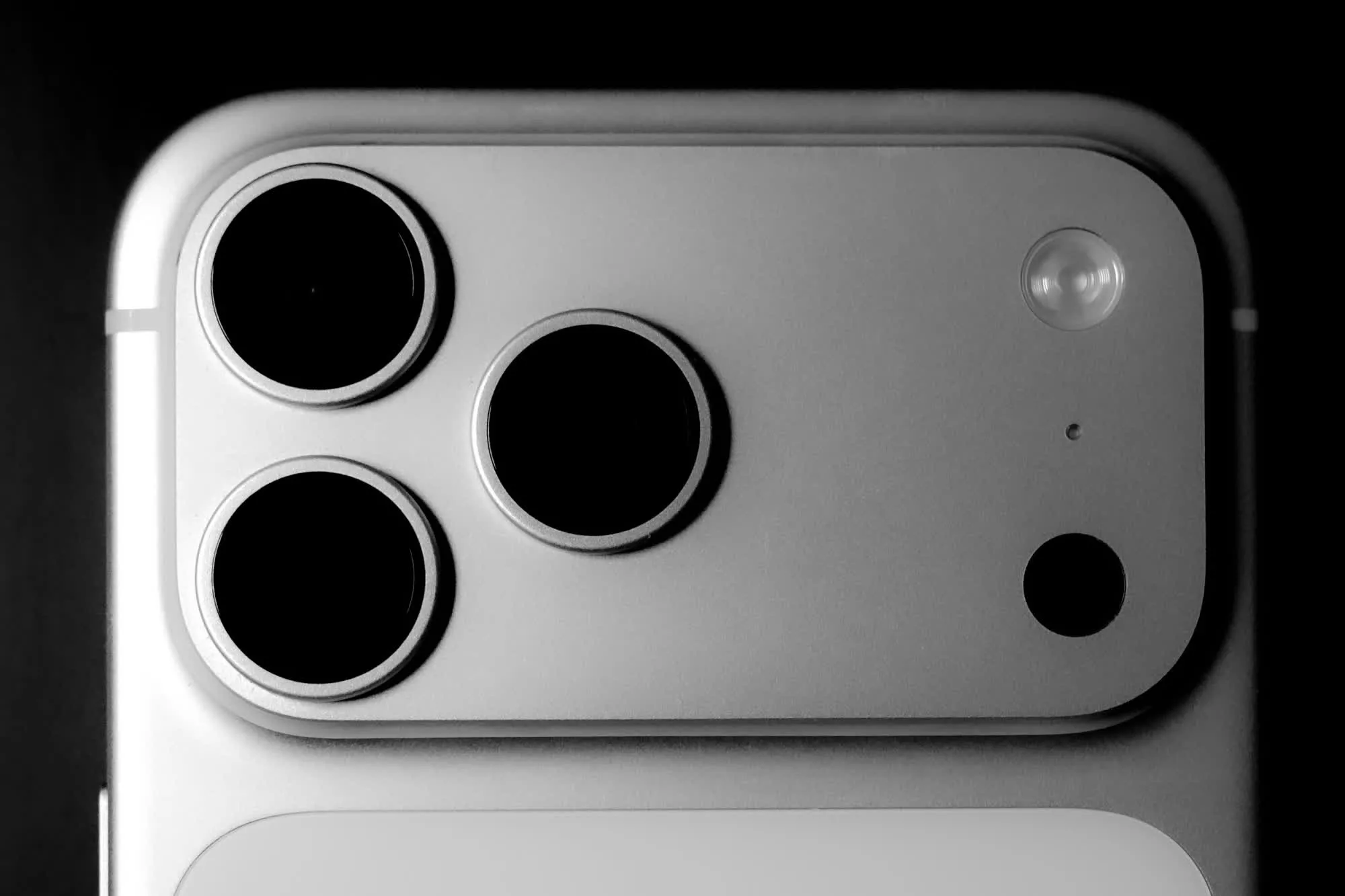
This anti-counterfeiting system, called "Apple Reference Image", starts directly from the photosensitive hardware level. Apple explained that the main camera of the iPhone 18 Pro is equipped with a new sensor with cryptographic signature capabilities. When the exclusive "Reference mode" shooting is turned on, the sensor is not only responsible for capturing photon information, but also uses the unique hardware private key burned inside the chip during the manufacturing stage to perform a pixel-by-pixel real-time digital signature on the captured raw pixel data. Since the signature process is completed entirely within the sensor hardware closed loop, any tampering attempts by malware or system level cannot forge the initial data at this stage.
In order to further lock in the objective environment of the shooting scene, the iPhone's safe isolation zone co-processor will also synchronize a series of optical and control parameters outside the sensor, including actual exposure time, ISO sensitivity, lens physical aperture, digital zoom level and focal length information. Subsequently, this batch of raw data with double encrypted signatures will be uploaded to Apple's private cloud computing platform through an encrypted channel, where only basic transformations to ensure image recognition will be performed in the cloud, and then a tamper-proof reference image will be generated and a chained cloud signature will be attached.
At the user experience level, the generated reference image will be saved in the Photos app as a "non-editable digital negative" and displayed side by side with the regular main image on the user's phone that can be freely toned, cropped, or modified using AI tools. Users or recipients can use the intuitive split-screen comparison function to compare the current image with the unmodifiable original reference film at the pixel level, and clearly check what post-editing, filter application or partial content replacement the photo has undergone after taking it. In addition, Apple also provides third-party API interfaces in the latest iOS, iPadOS and macOS systems, allowing news organizations, social media platforms and forensic software to directly retrieve and verify the authenticity signature of reference images.
In response to potential hardware vulnerability risks, Apple has also introduced a certificate revocation policy in the security mechanism. Once the camera sensor private key of a batch or specific device is confirmed to have been physically compromised or leaked, Apple can use a remote certificate revocation list to cause the affected device to lose the ability to generate valid anti-counterfeiting signatures. Analysts pointed out that compared with software metadata watermarks that are commonly used in the industry and are easily erased, Apple's practice of embeding cryptographic anti-counterfeiting directly inside the photosensitive component chip has established a new hardware-level trust foundation to resist the proliferation of malicious AI-generated images.
Comments