
Abstract:
A landmark medical study recently announced exciting results. Researchers have used genetically engineered immune cells to successfully put a child with a severe genetic immune disease into long-term remission. This achievement not only brings new hope to patient families, but is also considered to potentially open up new directions for the treatment of more genetic diseases.
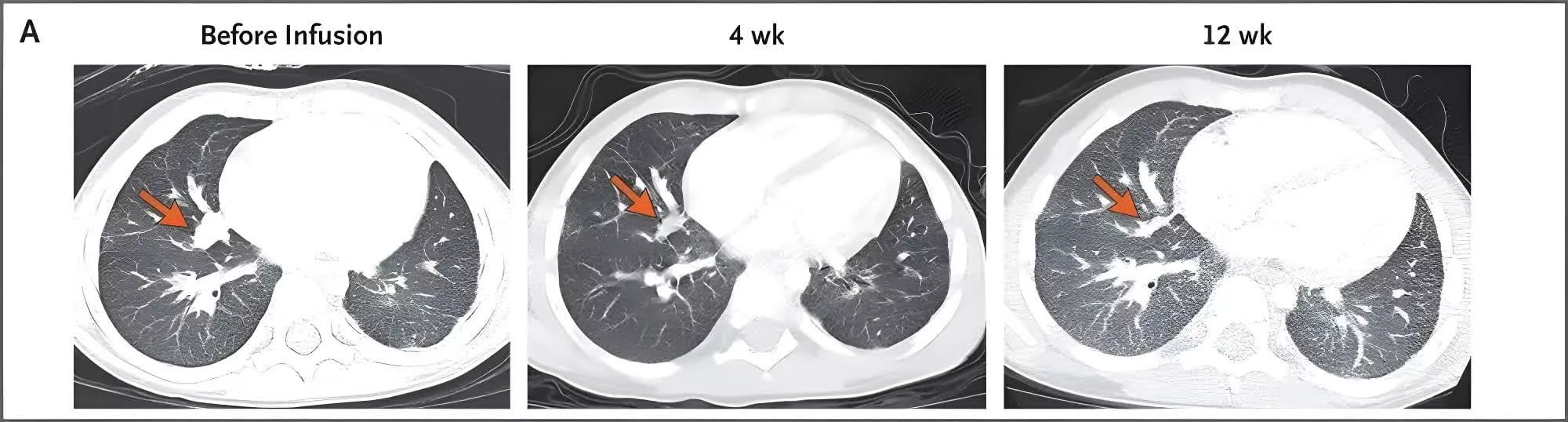
The child suffers from an extremely rare and life-threatening genetic disease. Because the genetic defect prevents the immune system from functioning properly, patients are at long-term risk for serious infections and may develop a variety of complications. For patients with this type of disease, existing treatment options often have limited effectiveness, and even if they receive traditional therapies such as bone marrow transplantation, they may face the risk of rejection and recurrence.
In order to find new treatment avenues, the research team decided to use advanced cell engineering technology to redesign immune cells in patients. After researchers extract specific immune cells from patients, they modify them through gene editing so that these cells can recognize and correct the abnormal biological mechanisms that cause the disease. These modified cells are then reinfused back into the patient.
After treatment, the research team continued to track the patient's health status. The results showed that these modified immune cells not only successfully survived in the body, but also continued to function, helping to restore some key functions of the immune system. As time went by, the patient's condition improved significantly, and many key physiological indicators gradually returned to near-normal levels.
More importantly, the patient remained stable during the follow-up period and showed no signs of further worsening of the disease. The researchers say this is one of the most encouraging results to date, showing that engineered immune cells have the ability to persist in the body for long periods of time and continue to provide therapeutic benefits.
The research team pointed out that this work builds on the rapid development of cell therapy in recent years. In the past, cell therapy technologies such as CAR-T have achieved remarkable success in the treatment of some hematological tumors, and this study further proves that this type of technology can not only be used for cancer treatment, but also has the potential to be used in the fields of genetic diseases and immune system diseases.
Scientists also emphasized that this is still an early research result and there is still a long way to go before widespread clinical application. Future trials on more patients are needed to confirm the safety, stability and long-term effectiveness of the therapy. In addition, there are significant differences in the pathogenesis of different genetic diseases, so not all diseases can be directly treated with the same regimen.
Nonetheless, many medical experts believe that this achievement shows the great potential of precision cell therapy. Unlike relying on long-term drugs to control the disease, engineered immune cells are expected to achieve continuous intervention through one treatment and correct the disease process from the root.
The researchers said they will continue to optimize cell design in the future and explore the application possibilities of this technology in other rare genetic diseases. If follow-up research is successful, this therapeutic concept of using patients' own cells to construct "living drugs" may change the treatment model of many diseases that were considered difficult to cure in the past.
Comments