
Abstract:
Apple’s layout in the field of artificial intelligence hardware is gradually moving from rumors to reality. Recently, a long-term supplier publicly confirmed that it is participating in Apple's next-generation artificial intelligence wearable product project, including the much-anticipated AI smart glasses and camera-equipped AirPods product line. This is also one of the important external evidences for Apple's future AI hardware strategy.
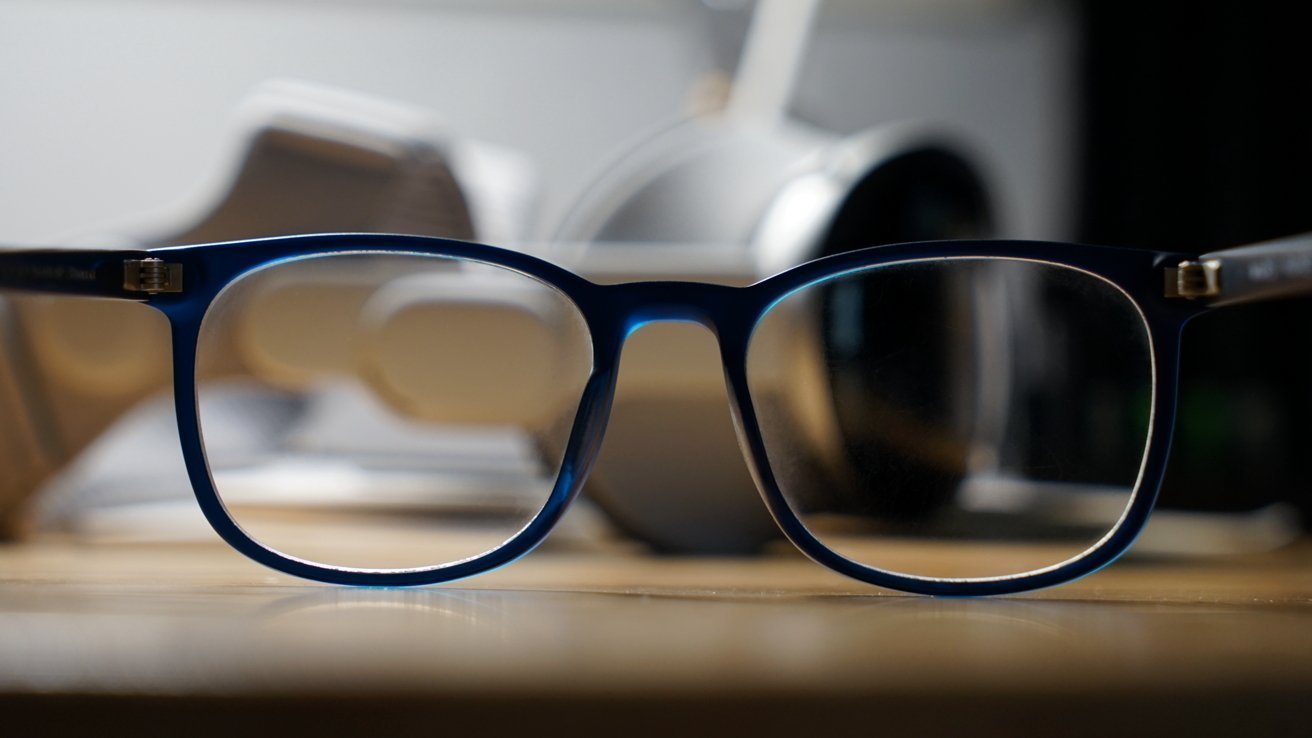
According to the disclosed information, the supplier has invested in the research and development and production preparation of related products, and participated in the construction of the supply chain of Apple's new generation of visual perception equipment. Although the company has not disclosed detailed technical specifications and specific release time, it is generally believed that this indicates that Apple's multiple AI wearable product projects have entered a more mature stage of development.
In recent years, Apple has been exploring how to extend its artificial intelligence capabilities to more devices beyond the iPhone and Mac. As the Apple Intelligence ecosystem continues to expand, the company is seeking to enable AI systems to not only understand information input by users, but also sense the surrounding environment in real time through cameras and sensors, thereby providing more intelligent services.
One of the most popular ones is the AI smart glasses being developed by Apple. According to the news, this product will compete with Meta’s Ray-Ban smart glasses. Unlike traditional augmented reality headsets, Apple's first-generation AI glasses are not expected to be equipped with complex display systems, but instead implement interactive functions through cameras, microphones, speakers, and Siri voice assistants. The device recognizes the objects, places and text the user sees and combines it with artificial intelligence to provide instant information and suggestions.
In addition to smart glasses, Apple is also promoting a new generation of AirPods products. Unlike existing wireless headphones, these devices will feature tiny cameras that provide visual information to artificial intelligence systems. The main goal is not to take pictures, but to enable the device to understand the wearer's surroundings, enabling more advanced visual recognition and context-aware capabilities.
Industry insiders said that adding a camera to AirPods means that Siri may gain capabilities similar to "visual intelligence" in the future. For example, users can ask for relevant information about the objects in front of them through voice, identify the contents of products, books, buildings or signs, and even record and organize important information in the real world. Artificial intelligence will no longer be limited to processing language, but will be able to directly understand what users are seeing.
Supply chain information shows that Apple hopes to create an all-weather environment perception experience for users through the combination of cameras and artificial intelligence. This direction is highly consistent with the AI wearable device strategy promoted by technology companies such as Meta and Google in recent years, reflecting the industry's transition from the smartphone era to a more natural human-computer interaction model.
It is worth noting that although Apple’s previously launched Vision Pro demonstrated the company’s ambitions in the field of spatial computing, the high price and size of the product limited market popularity. AI glasses and AirPods with cameras are considered to have greater potential for mass consumption and can bring artificial intelligence capabilities to more users in a lighter and lower-cost form.
Analysts believe that Apple’s future competitive focus may no longer be simply launching new hardware devices, but building an AI ecosystem that can continuously perceive, understand and respond to the real world. Whether it is smart glasses or a vision-enhanced version of AirPods, the core value lies in giving artificial intelligence the ability to "see the world."
With suppliers publicly confirming their participation in related projects for the first time, the news that Apple is developing AI glasses and camera AirPods has received stronger industry confirmation. This means that Apple’s next stage of artificial intelligence strategy is likely to not only stay at the software level, but will bring AI into every scene in users’ daily lives through new wearable device forms.
Comments