
Abstract:
In order to help developers achieve more accurate image tracking and virtual-real fusion effects in augmented reality (AR) and spatial computing scenarios, Apple recently comprehensively updated the "Reference Image" technical guide in its official developer support portal.
This document systematically dismantles the underlying logic of how ARKit and related system frameworks identify and anchor real-life flat images, and provides detailed image optimization suggestions for creative design and engineering teams.
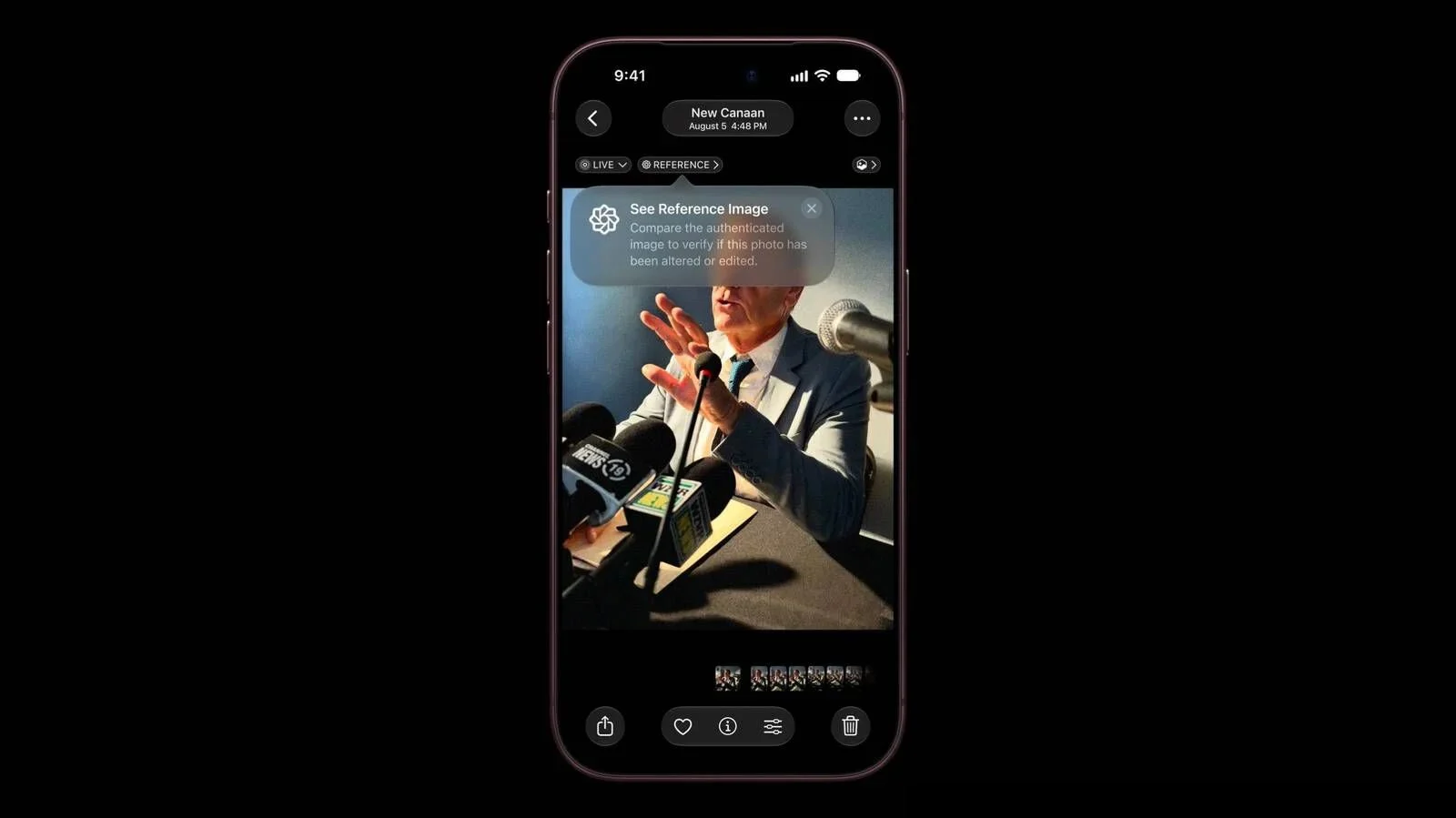
In Apple's AR technology system, reference images refer to two-dimensional image assets that developers pre-package into applications for the system to compare and match in the real physical world. They are widely used in scenarios such as digital art exhibition guides, interactive books, retail merchandise displays, and spatial interactive interface positioning. When the device camera captures the surrounding environment, the vision algorithm extracts feature points in the picture in real time and correlates them with the preset reference map. Once successfully recognized, the system can accurately anchor and render the three-dimensional virtual model on the real physical plane where the image is located, play associated videos or trigger interactive animations.
In the latest technical document released, Apple emphasizes the physical and visual characteristics that high-quality reference images must have. Apple points out that images with high contrast, rich irregular textures, and a large number of independent visual features are best for the algorithm to achieve millisecond-level fast tracking. On the contrary, if a large area of the reference image is filled with a solid color, contains a highly symmetrical or repeated stripe grid pattern, lacks edge clarity, or the edges are too blurry, the system will easily generate ambiguities during recognition or even lose tracking positioning.
In addition to the visual richness of the pattern itself, Apple also specifically reminds developers to pay attention to the interference of physical attributes in the real deployment environment. The document recommends that developers try to use matte or anti-reflective materials to make real-life physical logos, because strong reflective spots or environmental reflections reflected on smooth surfaces will directly destroy the stable extraction of feature points by the visual algorithm. In addition, when developers configure reference image assets in Xcode, they must enter the actual physical dimensions of the image in reality with extreme precision. If the physical size filled in the code deviates from the real object, it will cause distortion in the spatial depth ratio of the virtual AR content, thereby destroying the user's immersion.
For development workflow, Apple encourages engineering teams to make full use of Xcode's built-in reference image evaluation tool in the early stages of the project, which can score the "traceability" of the image and directly give quality warnings. As Apple continues to enhance the AR interactive experience on iPad, iPhone and spatial computing devices, this more detailed set of technical guidelines will help developers around the world reduce debugging costs and create interactive applications that combine virtual reality with more robust tracking and smoother experience.
Learn more:
https://security.apple.com/blog/apple-reference-image
Comments