
Abstract:
Less than a week after the iPhone Duo was launched, screen failure suddenly became the focus of public opinion. Many users reported that the new phone made abnormal noises during the unfolding process, and then cracks and white lines appeared near the screen creases, and some devices even had black screens. Apple officially responded that it has noticed internal screen problems on a small number of devices and recommended that users contact AppleCare for resolution.
We briefly dissected the cause of the screen problem. In layman's terms, it is that there is a "support rod" in the hinge (the pivot in the middle of the folding screen, used for repeatedly opening and closing the phone) that should be retracted when the cover is closed. It did not retract in place and protruded to support the screen. After closing and pushing it once, opening and closing it a dozen times, the screen was cracked from the inside.
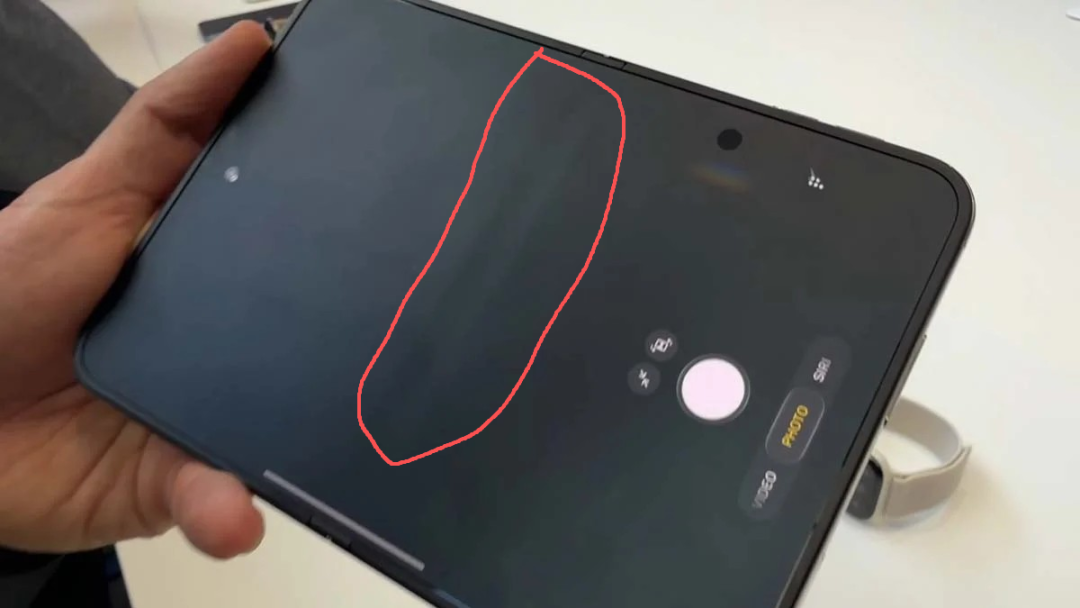
So the question is, why did a category that is already relatively mature in the Chinese market encounter such bad quality problems in the early stages of its launch?
The answer seems to be easily simplified into two directions: either Foxconn failed to make the product well, or Apple relaxed its quality management in order to meet the schedule. If you say this, you may underestimate the complexity of supply chain management and Apple's strong control over Foxconn in the past.
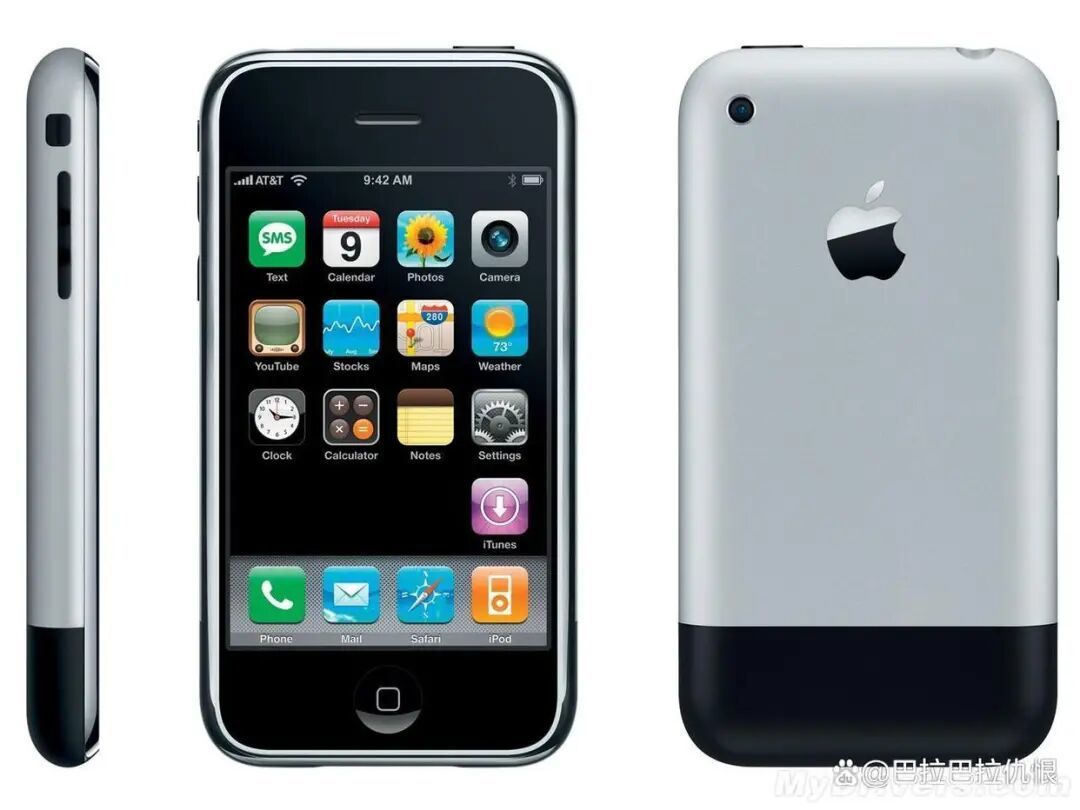
In 2007, on the eve of the release of the first-generation iPhone, Apple temporarily adjusted the screen design, forcing the production line to be reorganized in a very short period of time. In 2012, the New York Times disclosed how Apple used China's manufacturing network to complete production line modifications within days and quickly increase production. Since then, Apple has gradually established a manufacturing system consisting of product design, process research and development, special equipment, supplier management and global production network.
Foxconn is one of the most important performers in this system and a key partner for Apple in transforming innovation into large-scale commercial delivery.
Ifeng Technology checked public information and found that Foxconn is still responsible for the main assembly task of iPhone Duo this time, and it is exclusive. But when it comes to more components, manufacturers are more complicated. Among them, suppliers such as Lens Technology are responsible for manufacturing ultra-thin glass and other display structural parts. The hinge first-level assembly that went wrong this time was shared between two suppliers. Among them, the main supplier was a joint venture between Nikko and Industrial Fii. Note that Industrial Fii is a platform of Foxconn. This joint venture was even established specifically to undertake the hinge manufacturing. The sub-supplier is Anofei of the United States. It is reported that the quota allocation has been reduced because the yield rate did not meet Apple's expectations.
But under the hinge, there are also subcontracting of many devices. Yi'an Technology was once rumored to be a potential supplier of zirconium-based liquid metal center shafts, but there is controversy over whether the first-generation product was actually used. According to China Securities Journal, people from the industry department learned that Lingyi Intelligent Manufacturing is responsible for supplying core precision parts such as hinge precision structural parts, screen support plates, and ultra-thin vapor chambers to Apple.
Although the manufacturing parties are very dispersed, the integration, tolerance control and yield responsibilities of the hinge assembly fall precisely on the level of Foxconn and its joint venture partners.
This also raises a question. The iPhone Duo breaks when you use it. Is it because Apple really neglects Foxconn's management?
From Steve Jobs to Cook, the supply chain is making contributions
When the original iPhone was born in 2007, the challenge Apple faced was not just to design a distinctive phone.
At that time, the mobile phone industry already had a mature supply chain and production standards. Apple, however, hopes to integrate a large-size touch screen, new interaction methods and complex software systems into one device, and requires it to be mass-produced in a short time.
This means that Apple cannot just find a factory capable of assembling mobile phones. It requires an entire manufacturing network that can quickly adjust around product design.
According to a report by The New York Times at the time, a former Apple executive recalled that before the first-generation iPhone was launched, Apple temporarily changed the screen from plastic to glass. Manufacturers had to retool their production lines because the design changes occurred weeks before the product hit the market. After the new glass screen arrived at the factory late at night, workers were quickly organized on site to put it into production. According to the executive, the factory achieved a daily production capacity of more than 10,000 iPhones within 96 hours.
This experience later became a landmark case of Apple's supply chain capabilities.
Before and after the release of the first generation iPhone, Apple gradually integrated manufacturing engineers, product design teams and suppliers closely. For some key processes, Apple is not content with handing over drawings to suppliers and waiting for the delivery of finished products, but is deeply involved in the development and verification of the production process.
A former Foxconn executive once recalled to Ifeng Technology that Apple’s control over Foxconn was stronger than that of ordinary manufacturers and foundries. In order to ensure the production safety of the supply chain, Apple will even pay attention to the physical and mental health and various welfare benefits of its employees. "Apple would require us to inspect every day. Even if we work overtime, we must ensure that the working hours do not exceed 10 hours a day. At that time, we had to patrol the factory from 12 to 3 o'clock every night."
The Financial Times conducted an in-depth investigation of Apple's supply chain in 2023 and stated that Apple has long-term dispatched product designers and manufacturing engineers to supplier factories to participate in the joint development of production processes, track equipment debugging and mass production ramp-up, and invest heavily in the development of special manufacturing equipment. Apple's manufacturing capabilities are not just about purchasing external production capacity, but also include in-depth participation in processes, equipment and supplier R&D paths.
Another key promoter of this approach was Tim Cook, who later succeeded Steve Jobs as Apple CEO.
During his tenure as chief operating officer, Cook elevated Apple's supply chain management and operational efficiency to the core of the company's strategy. He promoted the concentration of production, streamlined inventory, and established a more efficient manufacturing network through large-scale procurement and supplier collaboration. As a result, Apple has gradually formed a unique competitive advantage: products are defined by Apple, but manufacturing capabilities are not limited to Apple's own factories, but are realized through a deeply integrated supplier network.
It was during this process that Foxconn grew into one of Apple's most important manufacturing partners.
For Foxconn, Apple brings not only orders, but also increasing manufacturing scale, process requirements and technology accumulation. For Apple, Foxconn provides not only labor, but the ability to organize a large number of people, equipment and production resources in a very short time.
The real power of this system is that it can gradually transform a product design that is not yet fully mature into a stable and replicable industrial process.
But this also buries a long-standing contradiction: the more radical Apple's product innovation is, the higher the requirements for the manufacturing system; and when design changes become more and more complex, whether the supply chain can respond quickly without sacrificing reliability becomes another question.
Close partners will also compete for interests
Apple’s control of the supply chain is reflected in product specifications, process standards, equipment investment, production review and delivery rhythm.
Even though they are so close, there are occasional differences in interests between the two parties.
Apple needs higher quality, faster delivery and more competitive costs; Foxconn needs to maintain its own profits and production and operation efficiency while meeting customer requirements. The larger the order size, the closer the cooperation between the two parties, and the more complex this interest relationship becomes.
"The Information"'s 2024 investigation on the partnership between Apple and Foxconn quoted former Apple and Foxconn managers and disclosed that the two parties had disputes in aspects such as production staffing, cost settlement, and component testing. The report also pointed out that Apple’s direct management of manufacturing equipment and continued cost compression have changed the profitability of some Foxconn businesses.
This is a structural contradiction. The more Apple emphasizes efficiency and control, the more suppliers need to find a balance between cost, profit and execution requirements.
When the product design is mature and the process has been verified for many years, the collaboration model between Apple and Foxconn can exert significant advantages. The production process can be continuously optimized, the yield rate can be gradually improved, and the production capacity can be expanded as orders grow.
But when a product enters a new technical field, the experience accumulated in the past may not be able to directly solve all problems. What iPhone Duo faces is precisely such a situation.
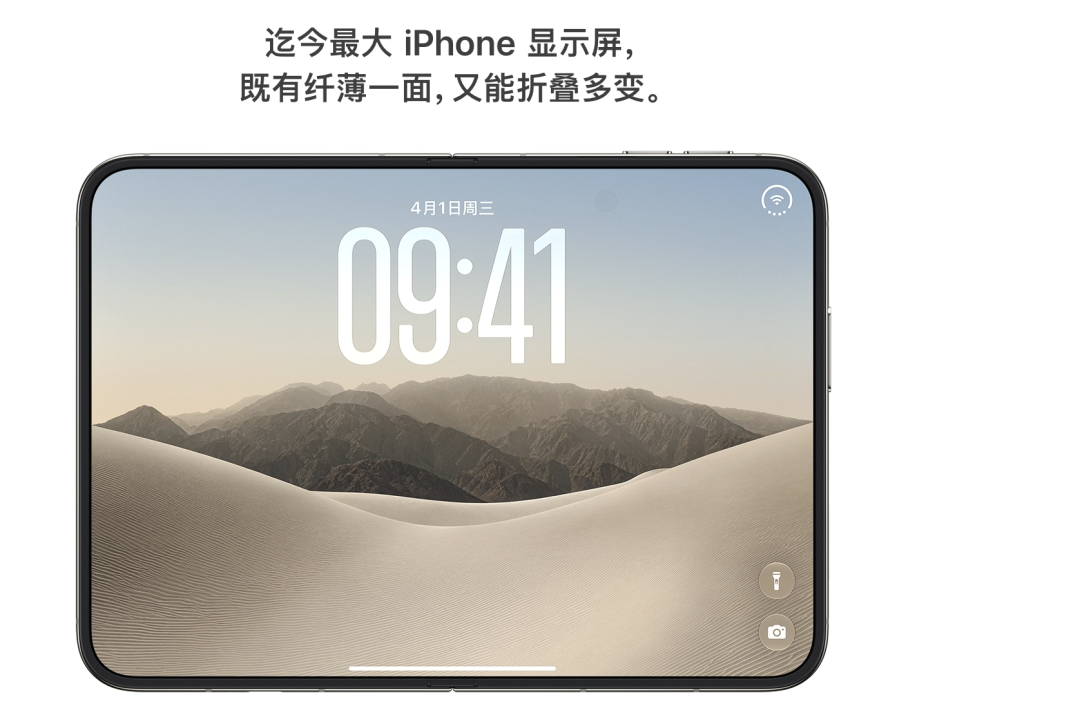
Folding screens are not simply adding a hinge to traditional mobile phones. Flexible display panels, support structures, hinges, cables and body materials must achieve precise fit within a limited space. Even if a component passes inspection alone, it does not mean that it will maintain the same reliability through repeated bending when combined with other components.
If the fault is ultimately confirmed to come from the structural design, then the problem may have been buried in the product definition and engineering verification stages; if it comes from assembly deviations or component batches, the manufacturing process control needs to be checked; if the test plan does not cover the failure modes in real use, both Apple and suppliers need to re-examine the quality verification mechanism.
At present, Apple has not disclosed the specific cause of the iPhone Duo failure, only stating that it is a small batch problem.
The new CEO’s fatal torture
Apple is not the first manufacturer to encounter reliability tests on folding screens.
In 2019, Samsung’s first Galaxy Fold suffered a screen failure before it was officially launched. Some of the review devices experienced display abnormalities, and Samsung subsequently postponed their release in order to further examine the product and improve the design. Samsung's investigation at the time involved structural protection around the hinge and the possible impact on the display panel after foreign objects entered the fuselage.
This turmoil made the entire industry realize that the technical difficulty of folding screens is not only to bend the screen, but also to make the display panel work stably for a long time in a complex mechanical structure.
Apple has invested in the field of folding screens for many years, and it was not until the iPhone Duo that it was officially launched. It hopes to establish reliability expectations that match traditional iPhones through more mature structural design, manufacturing processes and quality control.
However, the once solid cooperation system between Apple and Foxconn must adapt to new manufacturing problems.
The structure of the folding screen is more complex, and the coupling relationship between key components is stronger. Even if the product passes the test in the laboratory, it may not be able to fully cover all situations in daily use by users. The manufacturing process needs to deal with not only the tolerances of individual components, but also the long-term coordination of multiple components in motion.
This requires Apple to further prioritize quality management.
If there are potential risks in the hinge design, they need to be identified as much as possible through structural simulation, material verification and durability testing before mass production; if the manufacturing tolerances of certain parts will affect the force of the screen, a stricter control mechanism needs to be established in the process design stage; if the fault reoccurs in different batches, a traceability system needs to be used to quickly determine whether the problem is a local deviation or a systemic defect.
The challenge is obviously greater, and Apple is in the process of changing its leadership.
On September 1, 2026, John Ternus officially succeeded Tim Cook and became Apple CEO. Unlike Cook, who is good at operations and supply chain management, Ternus has been responsible for hardware engineering for a long time. He has participated in the development of products such as iPhone, Mac, iPad and AirPods, and has also promoted Apple's improvements in materials, durability and repairability. Although he may not be as familiar with global supply chain operations as Cook, John Turnus is essentially a manager who understands engineering and manufacturing.

Then the problem may be more serious. It is reported that as of September 17, the iPhone Duo's assembly yield rate at Foxconn is slightly more than 60%. The report also mentioned that folding OLED panels, hinges and other components present challenges in yield, delivery or design adjustments. This is the ramp-up stage of mass production and we have already encountered challenges.
On October 11, Apple COO Sabih Khan visited Zhengzhou Foxconn to visit iPhone Duo-related production links and said that Apple is expanding production capacity in accordance with existing quality standards.
The current accident investigation cannot yet explain which part of the manufacturing process and components caused the problem, but overall it can be seen whether Apple has identified enough mass production risks, but still promotes the launch without completely solving the risks?
Li Nan, founder of Numiao Technology, is commenting on the iPhone When Duo broke the news, he believed that "the problem with so many bright displays and cracked screens on Apple's folding screens is actually due to the fact that they are unfamiliar with the supply chain. Unlike in previous years, Apple's designers and engineers all live and eat in China's supply chain." He said, "I don't believe that after the industry has made many generations of folding screens, Apple's cracked screens and bright lines are problems that cannot be solved by the Chinese supply chain. There is a high probability that these risks have been predicted long ago and ignored by Apple executives."
It is worth mentioning that while the iPhone Duo is facing doubts, Apple seems to be delivering the product faster than ever.
From the perspective of release rhythm, 2026 has become a watershed for Apple’s product releases. In previous years, products were released in the fall and spring, but this fall, Apple launched a series of products in two months, covering Mac, iPad and smart home devices. Product lines have become complex, supply chains also require more flexible configurations, and production tasks are dispersed into different time windows, which also means that production scheduling, material preparation, and personnel arrangements need to be more refined.
All in all, the test questions for new CEO Ternus are more complicated than ever.
What Apple needs to prove is not whether it can create a compelling product again, but whether the manufacturing advantages accumulated in the past can continue to be transformed into a reliable user experience when the product form undergoes fundamental changes.
Comments