
Abstract:
Apple celebrated the 25th anniversary of the release of the original iPod on October 23. As one of the most influential products in Apple's history, the iPod not only revolutionized the digital music market, but also helped Apple successfully break through the limitations of the Mac computer business, laying the foundation for the birth of subsequent products such as the iPhone.
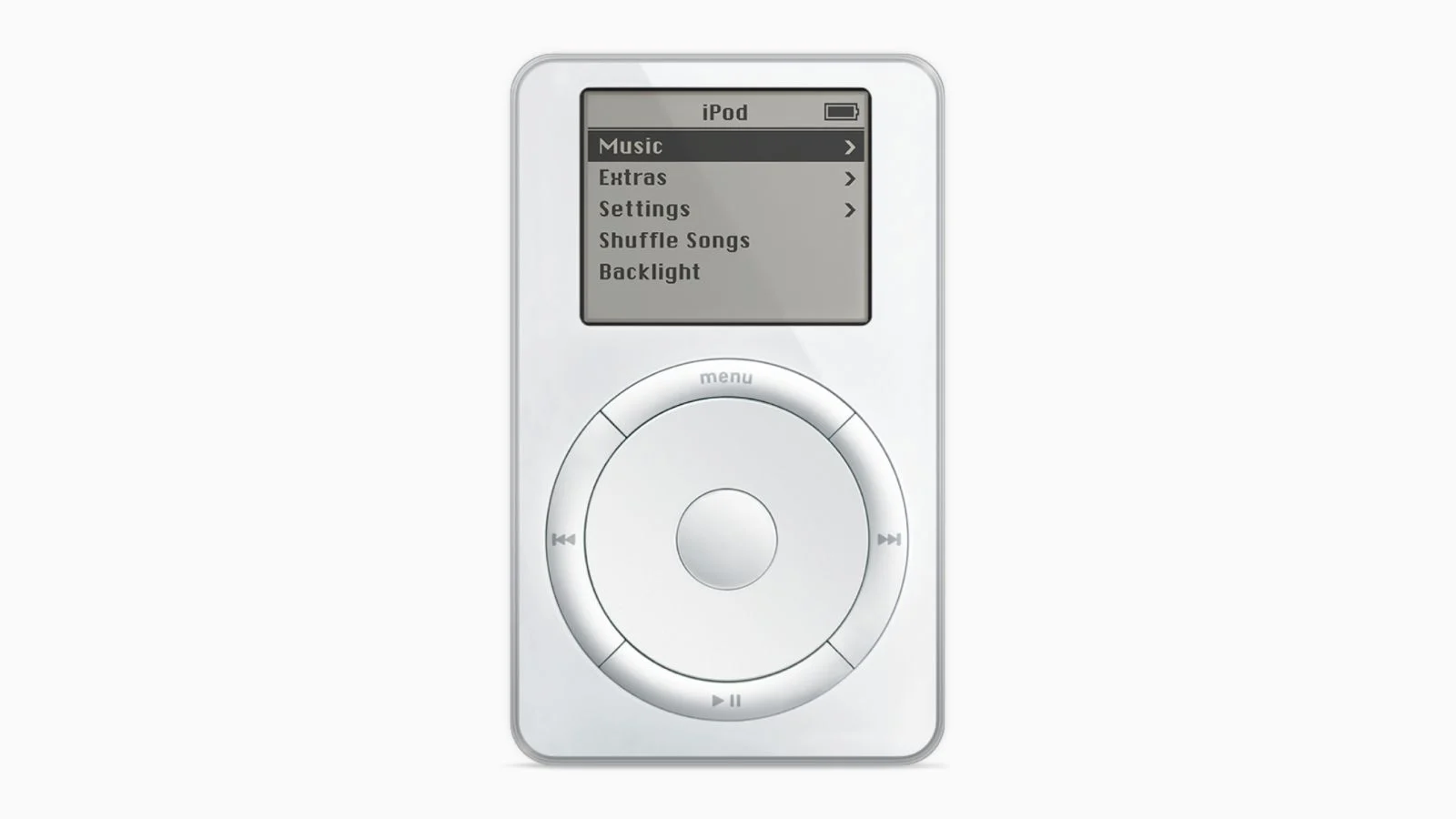
On October 23, 2001, Apple co-founder Steve Jobs officially launched the first iPod at a small conference held at Apple's headquarters in Cupertino, California. Apple's slogan at the time was "putting 1,000 songs in your pocket". This product was equipped with a 5GB mechanical hard drive, a monochrome LCD display, a mechanical scroll wheel, and had a battery life of up to about 10 hours.
The original iPod sold for US$399, only supported Mac computers and required iTunes software to be used. The device transmits music and charges through the FireWire interface, and also supports automatic synchronization function, which can automatically copy songs and playlists in the user's iTunes library to the device. Apple claimed at the time that music from a complete CD could be imported in less than 10 seconds, and that it would take less than 10 minutes to transfer 1,000 songs. Additionally, the device can be used to store other files such as documents.
Before the press conference, Apple issued an invitation to the media, saying that it would display a "breakthrough digital device" and specifically emphasized that it was not a Mac computer. At the time, there was widespread speculation that Apple would release music players, home audio accessories, and even handheld devices with handwriting recognition capabilities. Two days before the release, some industry rumors had mentioned the name "iPod" for the first time.
However, the introduction of the original iPod did not immediately receive unanimous praise. After its release, many media and consumers questioned its high price, only supporting Mac platform and product positioning. Some reviewers found it "far from revolutionary," while others described it as "massive hype for a trivial product."
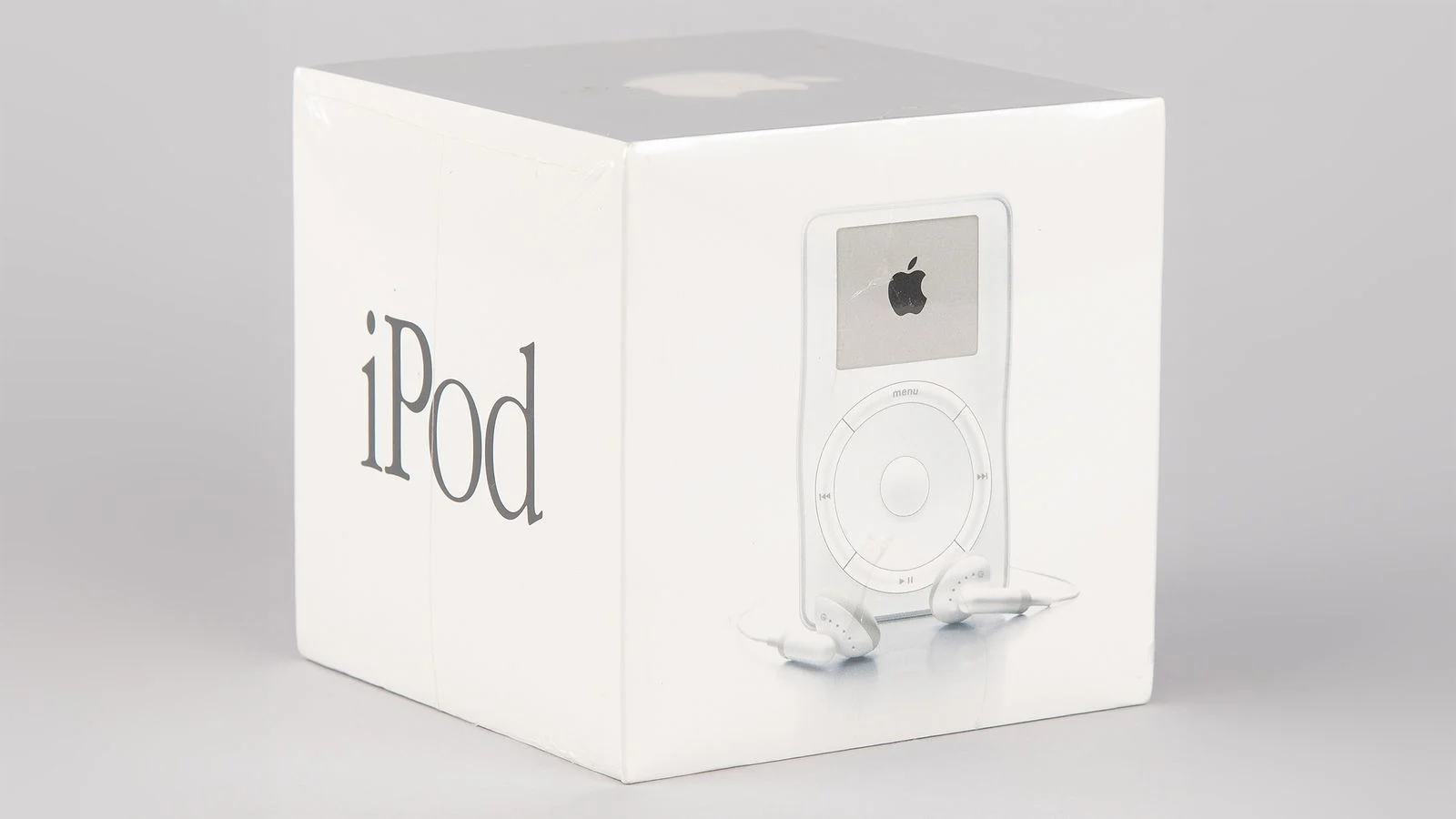
On November 10, 2001, the iPod was officially launched for sale. According to consumer feedback at the time, many users queued up to buy this product. On the one hand, early users complained that the mirrored metal shell on the back of the fuselage easily left fingerprints, the temperature was high during charging, and the sound quality was controversial. On the other hand, a large number of users spoke highly of its convenient operating experience and music management capabilities.
In the following years, Apple continued to rapidly update its iPod product line. The second-generation product adopted a touch-sensitive scroll wheel design; the third-generation product introduced the 30-pin Dock interface that became widely popular in 2003; the standard version of the iPod was upgraded to a color display in 2004 and added video playback functionality in 2005.
In January 2004, Apple launched iPod mini, which was the first expansion of the iPod family's product line. The device has a smaller anodized aluminum body and is available in silver, gold, pink, blue and green colors. For the first time, it adopted the later iconic Click Wheel control method, integrating the playback button into the touch wheel area. This design was later applied to the fourth generation standard version of the iPod.
After entering 2005, Apple further enriched its product lineup and successively launched iPod shuffle and iPod nano. Among them, the iPod shuffle cancels the display design and focuses on being lightweight and portable; while the iPod nano, which uses a flash memory storage solution, gradually replaces the iPod mini and becomes Apple's new main portable music player.
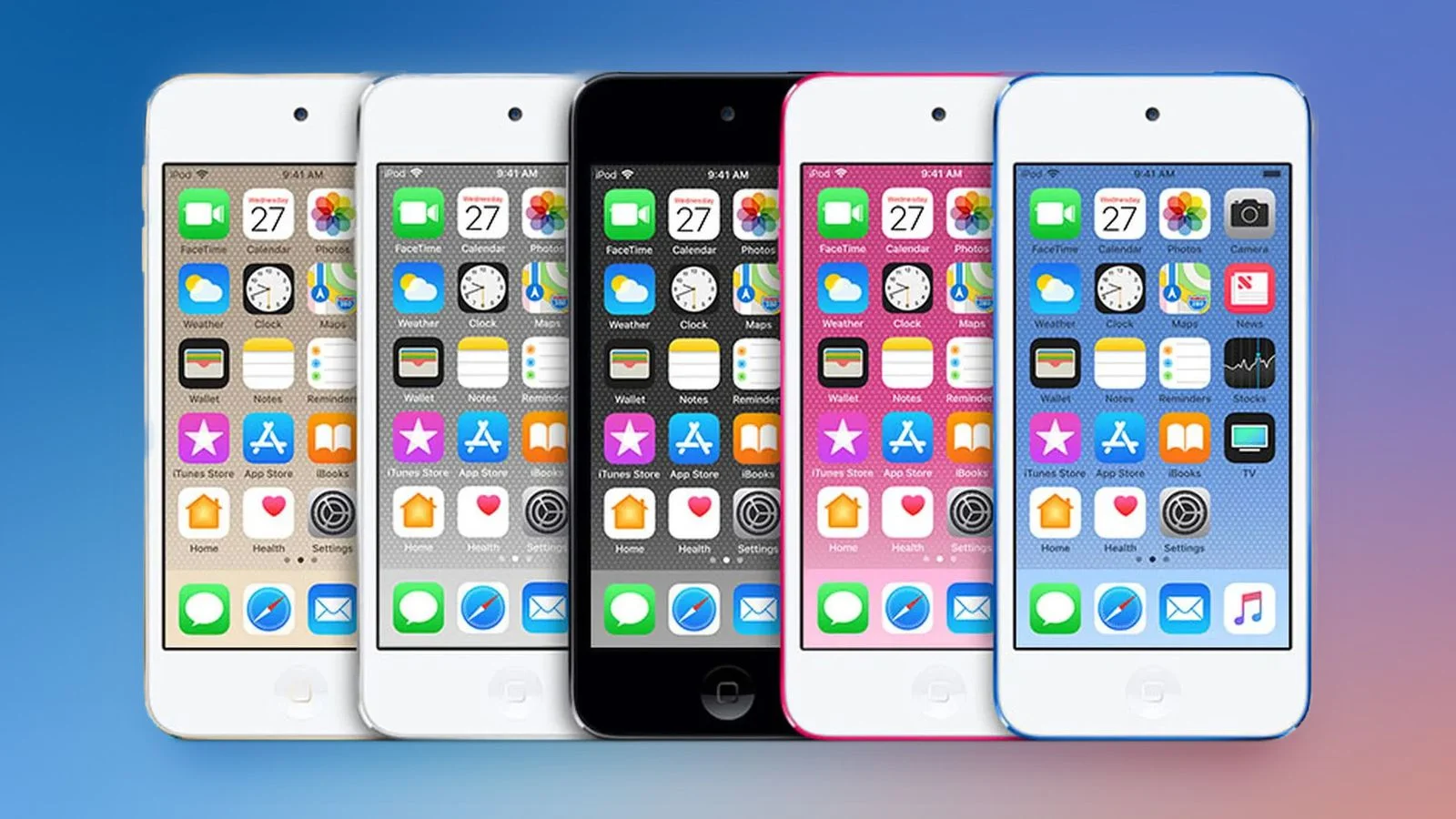
From being initially criticized for being overpriced and unattractive, to later becoming one of the most successful consumer electronics products in the world, the iPod not only changed the way people listen to music, but also promoted the development of the digital music industry. More importantly, it helped Apple establish an ecosystem that combines hardware, software and digital content services, and paved the way for the subsequent development of iPhone, iPad and modern Apple ecosystem. Today, 25 years later, although the iPod has long withdrawn from the stage of history, its impact on the consumer electronics industry and the digital media era is still clearly visible.
Comments