
Abstract:
American aerospace company Blue Origin recently announced a new power supply system "Power Tower" for future lunar bases. The system is planned to be transported to the lunar south pole area by the Mark 1 lunar lander being developed by the company. After landing, it will automatically deploy a 20-meter-high vertical solar array to provide continuous power support for future lunar surface facilities.
The lunar day-night cycle has long been one of the main challenges faced by various countries' lunar exploration missions. A day and a night on the moon each last about 14 Earth days. For equipment that relies on solar energy, long moonlit nights mean no energy supply, and extreme low temperatures will seriously threaten the survivability of the equipment. As a result, many lunar missions often rely on nuclear power systems to maintain nighttime operations.
Blue Origin believes that the lunar south pole region provides another solution. Similar to the Earth, the Moon also has a tilt of its axis of rotation, but its tilt is only about 1.54 degrees. Due to this special geometric relationship, the sun almost never sets completely at the moon's south pole, but always moves slowly near the horizon. In the local summer, darkness may last only a few hours; even in winter, dark hours are usually only two to seven days. At the same time, low-angle sunlight creates long, nearly permanent shadow areas in craters and depressions.
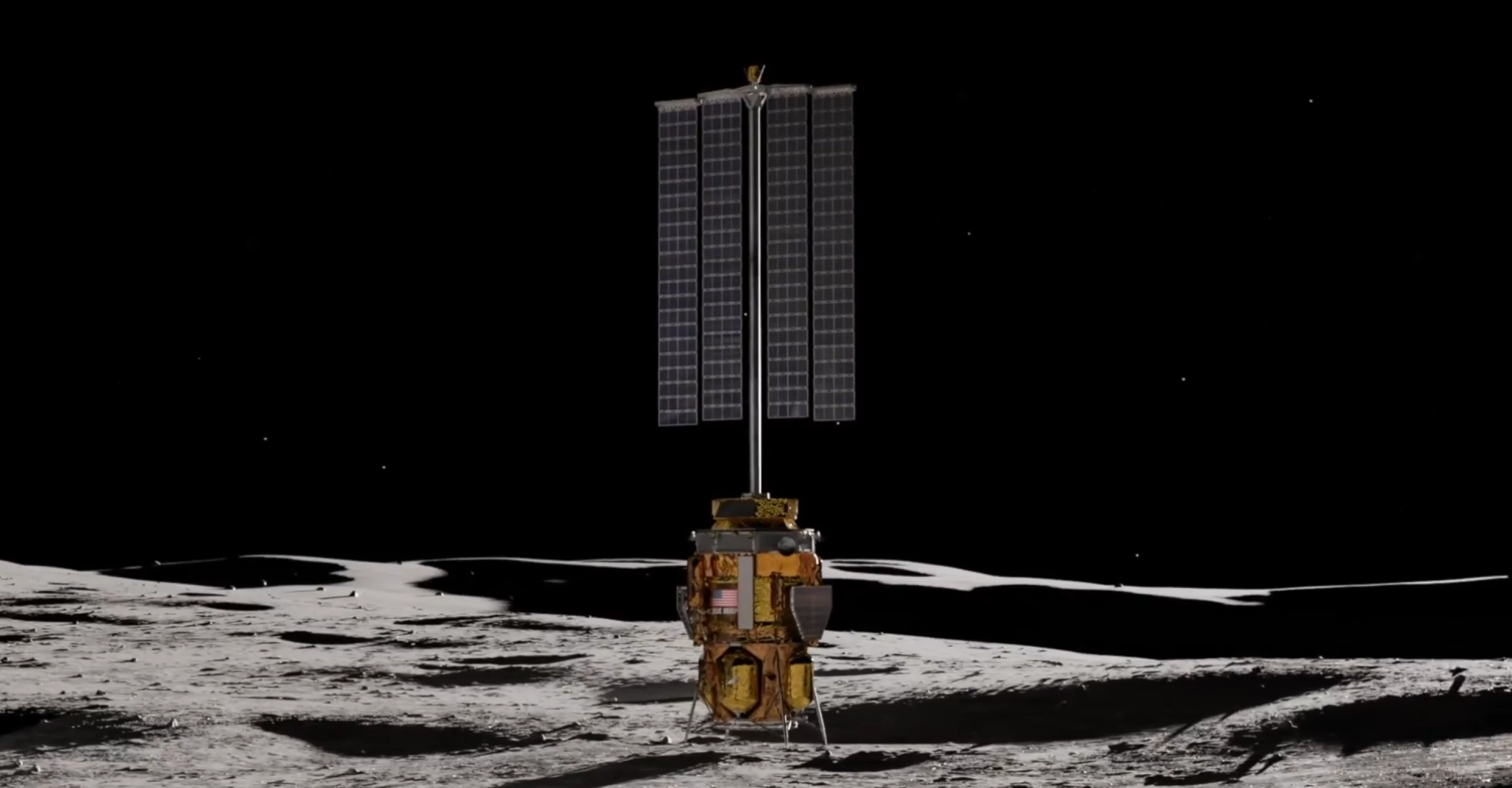
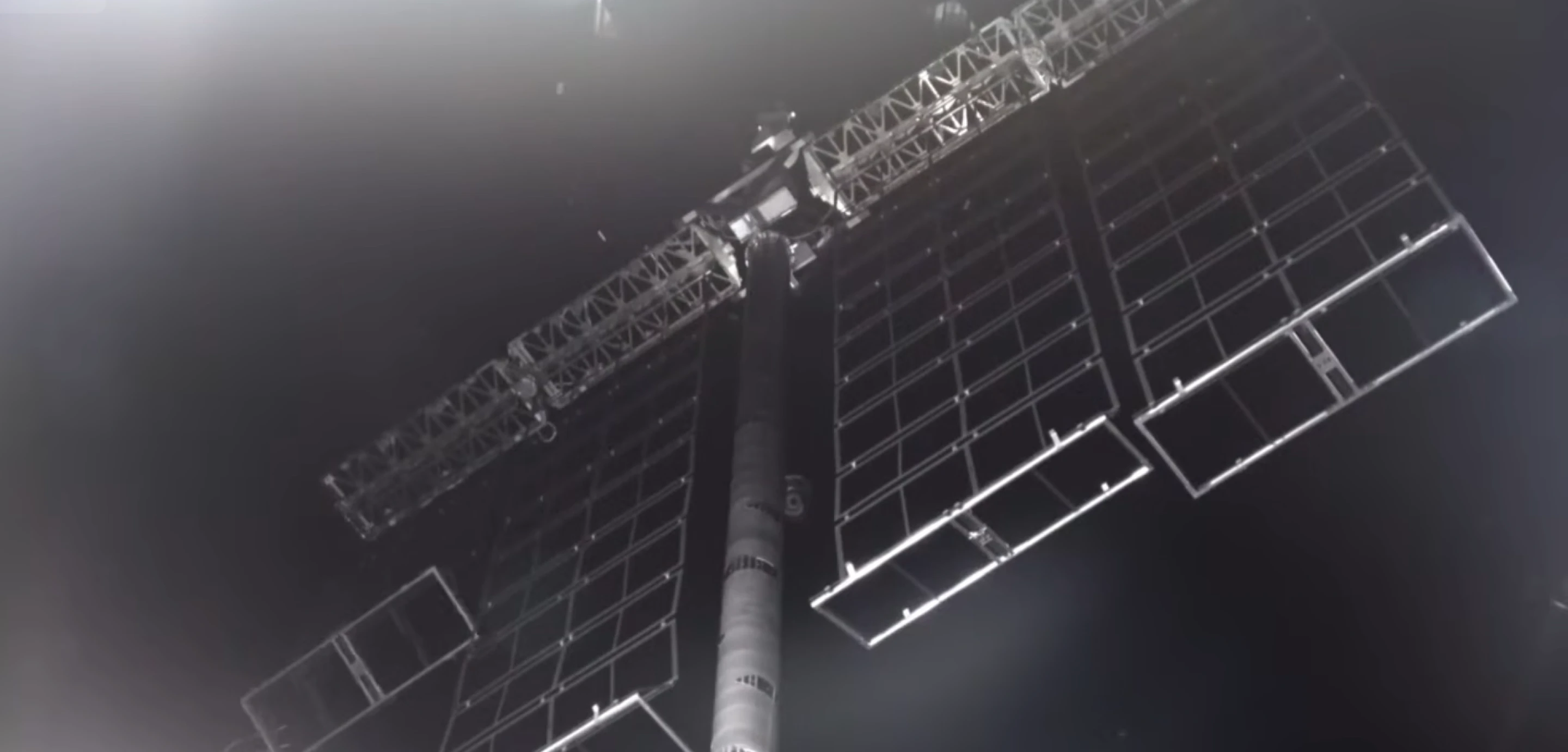
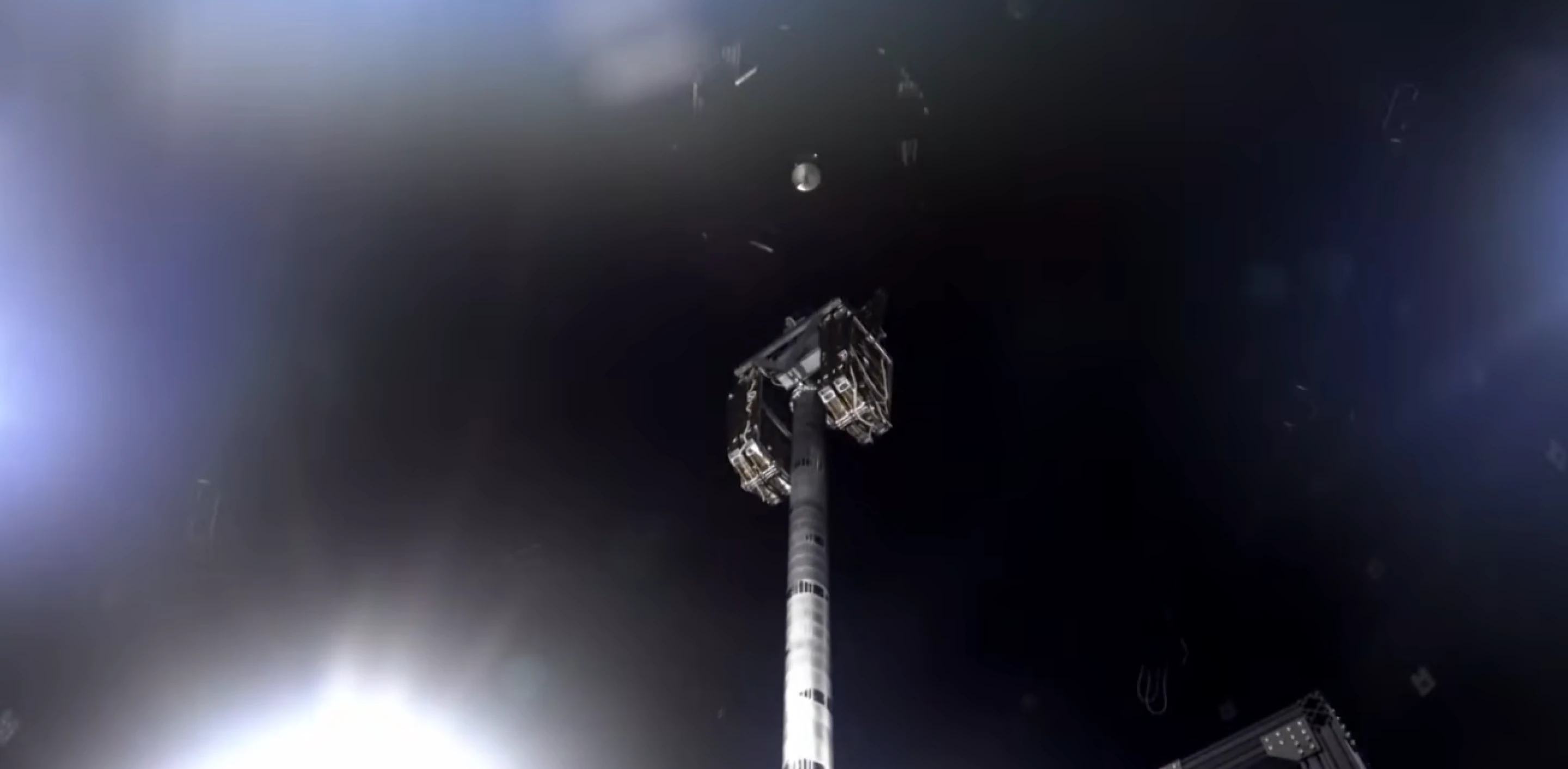
To take full advantage of this special environment, Blue Origin designed an energy tower system. When Mark 1 lands, the equipment will unfold a tall mast composed of a spiral alloy structure, and the top will carry a folded solar array. The unfolded solar panels are like two sets of vertically suspended blinds, which can effectively capture the oblique sunlight from the horizon and continue to work as the sun moves along the horizon.
According to Blue Origin, the system can continuously generate electricity 44% to 100% of the time in different seasons. Compared with the traditional solution of laying solar panels flat on the surface of the lander, the vertical deployment design can significantly improve the utilization efficiency of low-angle sunlight. At the same time, the 20-meter-high energy tower can also expand the visible horizon range, thereby obtaining more sunlight opportunities.
In terms of performance, the output power of the current version of a single energy tower has exceeded 10 kilowatts. Although this number is not outstanding in terrestrial energy systems, it is already a considerable level in the field of aerospace engineering and can provide stable energy support for lunar surface infrastructure.
Blue Origin stated that this technology will serve the exploration and development of shadow craters in the South Pole of the Moon in the future. The scientific community generally believes that these long-term shadow areas contain large amounts of water ice resources, and water ice is regarded as an important strategic resource for the establishment of a permanent lunar base in the future, which can be used to obtain drinking water, oxygen and rocket propellant.
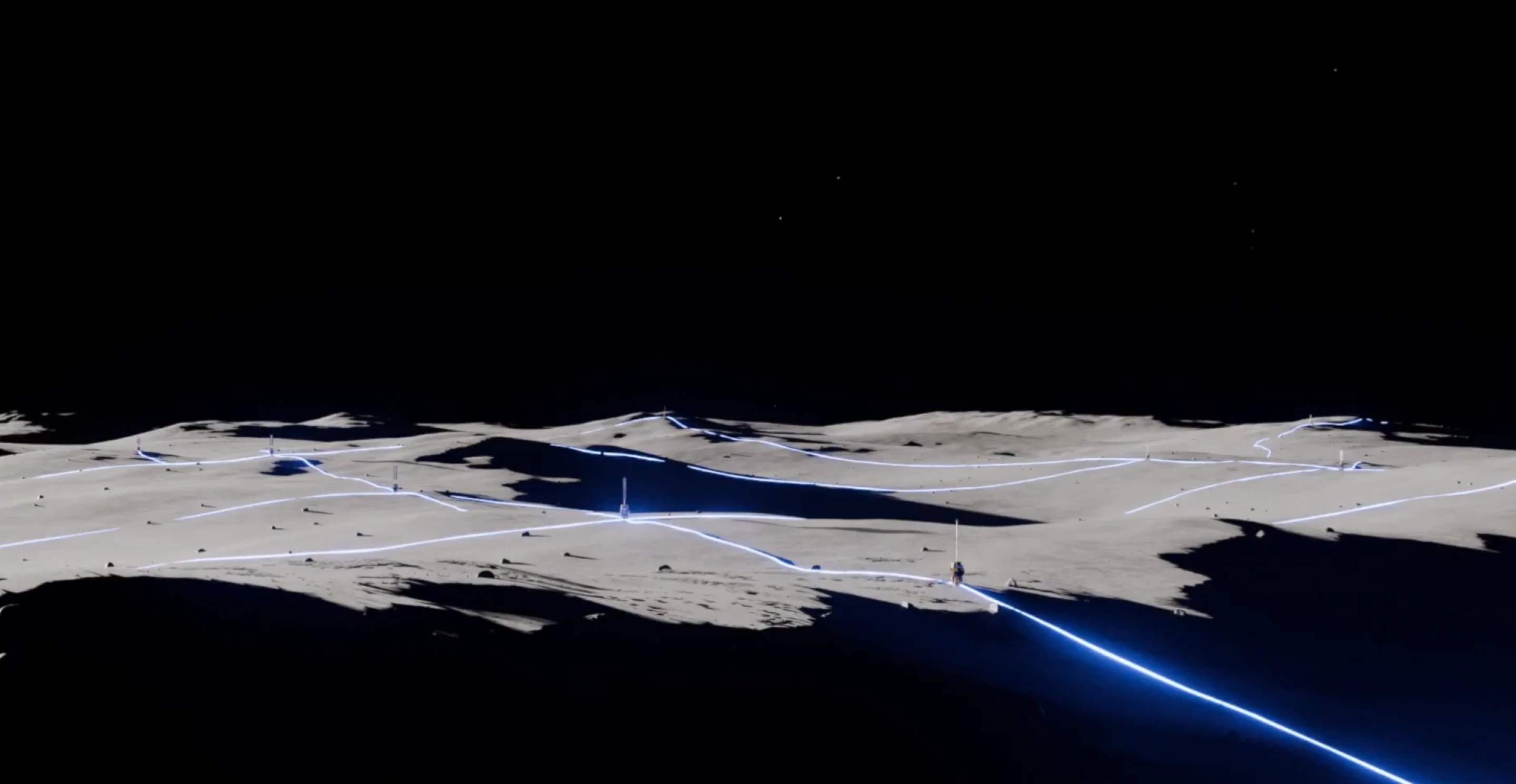
From a longer-term development plan, the energy tower will not only exist as a separate power source. Blue Origin envisions building a lunar microgrid composed of multiple energy towers to provide continuous power supply for lunar rovers, habitation modules, mining equipment, and in-situ resource utilization facilities through interconnection, laying the energy foundation for future humans to stay on the moon for a long time.
As the Artemis program and lunar development projects in various countries continue to advance, how to establish a stable and reliable energy system is becoming a key issue in the construction of lunar bases. The energy tower plan launched by Blue Origin this time is regarded as an important exploration to utilize the unique natural conditions of the lunar south pole and reduce dependence on nuclear energy.
Comments