
Abstract:
On November 4, according to Reuters, OpenAI disclosed in October this year that the company discovered a recording device that had been secretly placed in an executive conference room. Many former OpenAI employees had the same reaction: They were not surprised.
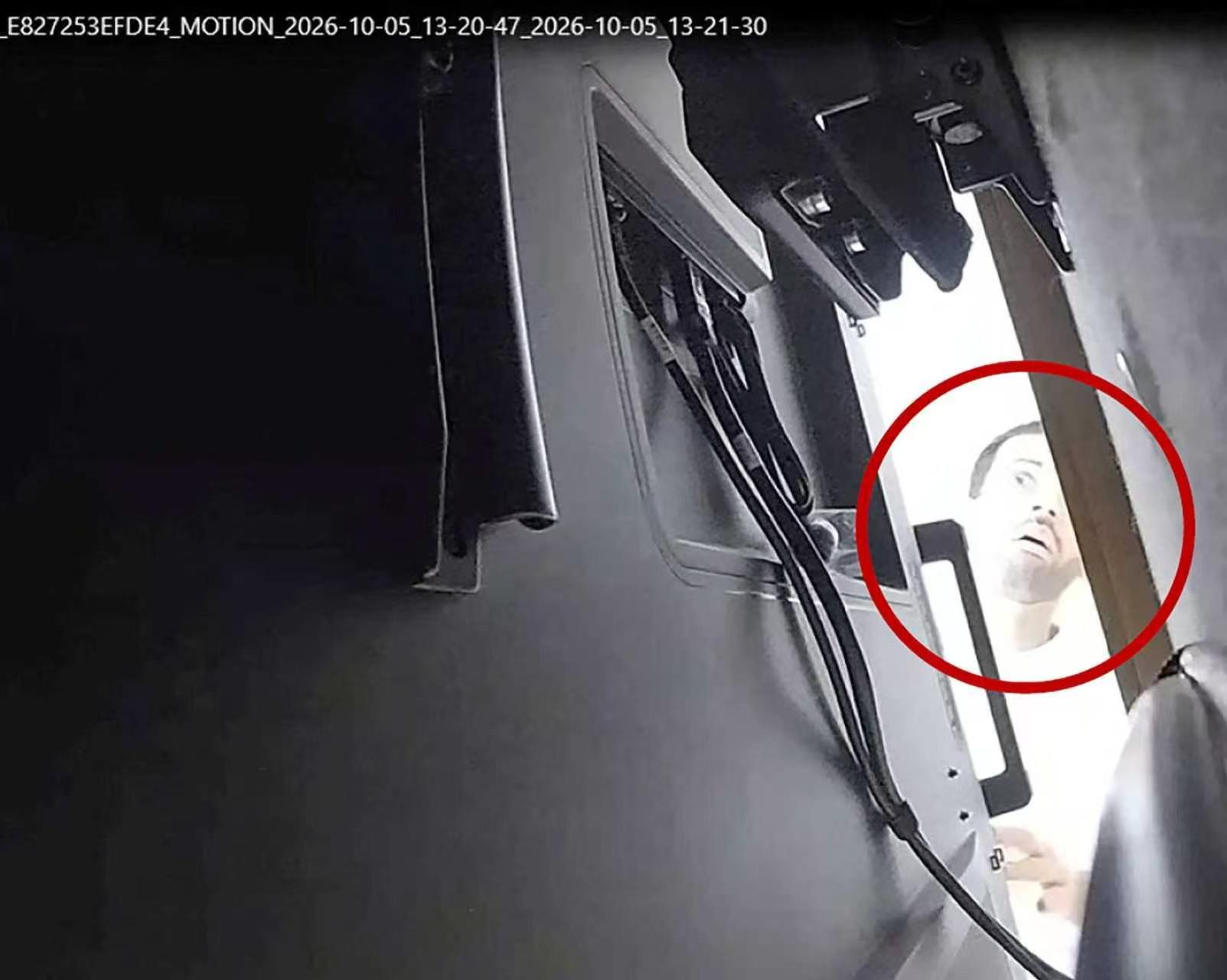
Alfzan is accused of installing eavesdropping equipment
The U.S. Department of Justice said on October 13 that U.S. federal law enforcement officials arrested a Saudi man, Abdulrahman Alfozan, and accused him of installing a hidden recording device in an executive conference room. The device was hidden in toilet paper to avoid detection. Alfzan, now 35, was an engineer at OpenAI at the time.
According to five people familiar with the matter, even before OpenAI launched ChatGPT at the end of 2022, some company employees had already raised concerns internally about its security practices. These employees had expressed concerns to OpenAI’s senior leadership and board of directors. However, some employees, after speaking with management and the board of directors, concluded that management was more focused on keeping up with competitors like Google and Anthropic than on security itself.
These employees believe that OpenAI’s security controls are too loose, allowing outsiders, including foreign governments, to relatively easily obtain the company’s sensitive technical information, people familiar with the matter said. For example, any OpenAI employee with access to the company's code can view the technical details behind many of the company's projects.
According to two people familiar with the matter, OpenAI has begun to adjust its strategy to deal with security issues. Thibault Sottiaux, a member of senior management overseeing product development, recently took charge of an internal initiative to strengthen the security of OpenAI’s internal systems. In August, Sotio redeployed a quarter of OpenAI's production engineers to improve its security infrastructure.
These internal warnings, which include years of employee complaints to leadership about internal vulnerabilities, some of which have not been previously reported, reveal a tension within the AI field. Since the launch of ChatGPT in late 2022, AI technology has become a strategic asset for the United States, which has put pressure on American companies to protect their technology from foreign competitors.
However, adding layers of security protections could also slow down progress in advancing AI technology and could complicate plans for massive IPOs from OpenAI and Anthropic. These IPOs will put them among the most valuable companies in the world.
AI development speed is more important
Will DePue, a former researcher who resigned from OpenAI in April this year, posted on
When asked about employee concerns and their perception that management is not taking action on these issues, OpenAI spokesperson Elana Widmann said that OpenAI is one of the most targeted organizations in the world. That's why companies invest heavily in their security programs to protect against attacks from insiders, cybercriminals and nation-state actors, she said.
“Protecting our technology, data and employees is a responsibility we take highly seriously and is a job of national importance. Our recent actions demonstrate that this security mechanism is working: identifying risks and responding decisively. As technologies and threats continue to evolve, we will continue to strengthen our defense capabilities.” Weidman said.
Comments