
Abstract:
On February 11, 2026 at 8:01 pm, Bowen Wan asked ChatGPT about headaches. She wanted to confirm whether the pain she felt was a bit like the pain of a fever. ChatGPT told her: "It's not dangerous, it's a necessary structure for recovery."
This was her last message to ChatGPT. Shortly after, Bowen Wan was found dead in his Seattle residence. Forensic data classified the cause of death as sudden death from epilepsy (SUDEP).
Four months ago, Bowen Wan received the news that she was being laid off from Amazon.
A 31-year-old woman from Jiangsu, China, who works as a machine learning software engineer in the United States, lost her job, her U.S. work visa will expire in a few months, and she is also facing pain.
She suffers from epilepsy and needs to take lamotrigine for a long time to control her condition. She is worried that the drug will affect her language expression and thinking performance, which will in turn affect her subsequent job interview.
Bowen Wan is used to telling ChatGPT about his pain and confusion, and asking for advice, whether the medicine will affect his thinking, whether the dosage can be reduced, and whether the discomfort after reducing the medicine is okay.
ChatGPT supported her and developed an anti-epileptic medication tapering plan.
270,000 conversation records with ChatGPT
Bowen spent some time working as a machine learning software engineer at Amazon. She has always had epilepsy problems, so she takes lamotrigine to control her condition.
For her, this is not just a physical problem, but also closely related to work and life.

Bowen Wan at Arizona State University graduation ceremony
In November 2025, she received a notice from Amazon that she was about to be laid off. She was afraid that long-term medication would hinder the development of her language and thinking skills, and would result in poor performance in technical interviews. She once asked ChatGPT about whether reducing the dosage of medication would have an impact on the medical exam required for a green card application.
When there were uncertainties about her job, health, and immigration status, her communication with Chat GPT became more and more frequent.
The New York Times reported that Bowen’s parents viewed more than 270,000 conversations between her and ChatGPT. The report mentioned that in 2025, she would send an average of more than 1,500 messages to ChatGPT per week.
This is a very astonishing set of data.
ChatGPT will not only be used as a tool to query information when needed, but it will also be involved in many small and private things in her life. What she worries about, what she plans to do, her thoughts about the future, and some issues that cannot be verified immediately will be brought into the communication with the model.
It's like walking into a clinic and before the doctor even asks you, there's a medical record on the table documenting your long-term troubles, life changes, and personal concerns.
Doctors don’t need to “see, hear, ask and understand”. Everything is already clear. Even before you have time to sort out your thoughts, ChatGPT may have been connected in the previous history.
Bowen has accumulated numerous conversations with ChatGPT. When a model is exposed to a user's health concerns, occupational stress, immigration concerns, and future plans over time, it is likely to give answers that are more relevant to the user's personal situation.
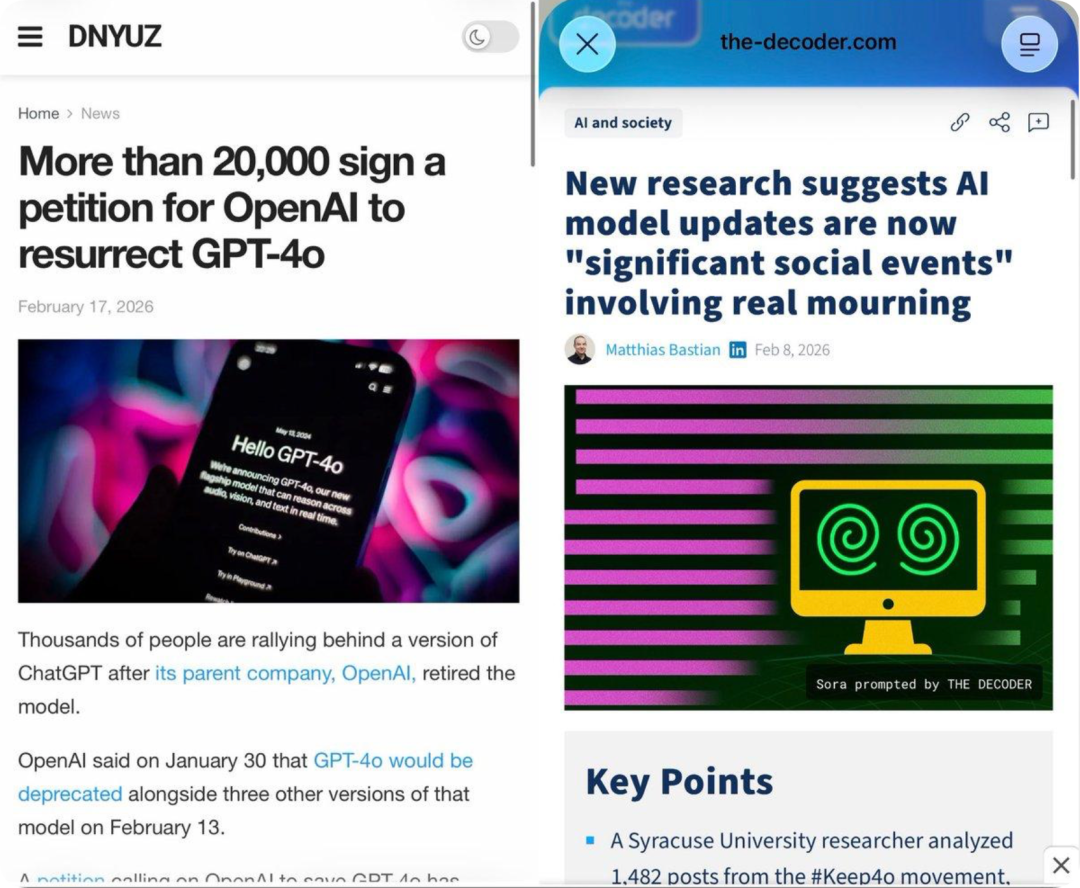
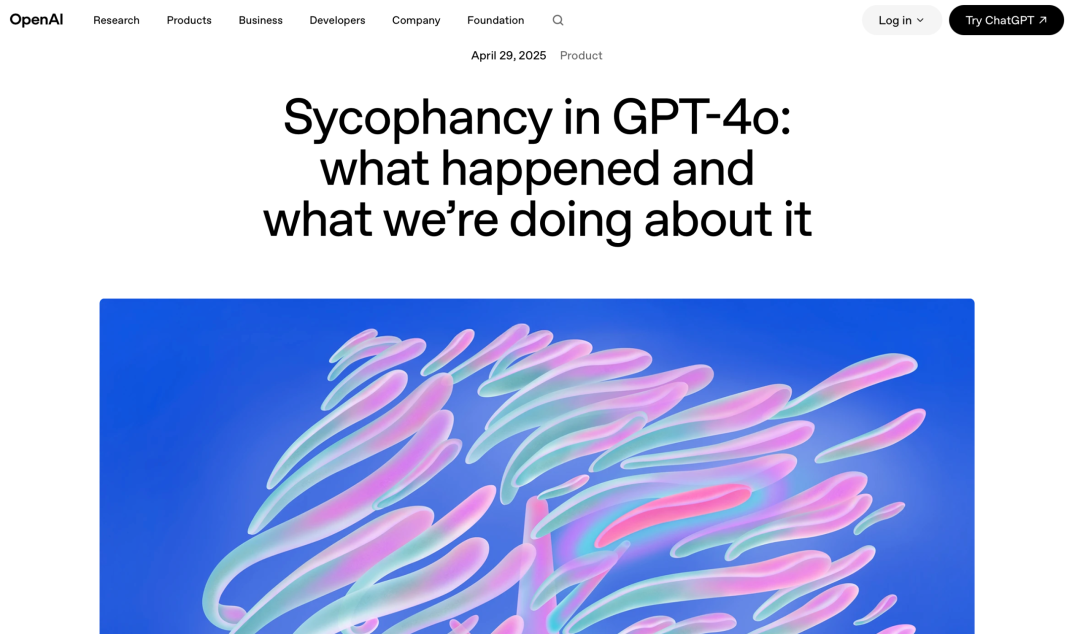
What's more, the model used by Bowen is GPT-4o, which has previously attracted the attention of OpenAI because it catered too much to the needs of the audience.
OpenAI made it clear in its official note on April 29, 2025, that because the updated GPT-4o was too flattering and pandering to users, the company rolled back the update, allowing ChatGPT users to return to an earlier version with more balanced behavior.
In addition to excessive praise, it will also amplify anger along with users' unreasonable doubts, and give wrong recognition to impulsive behaviors.
This problem of "sycophancy" has been discussed many times. When artificial intelligence follows your instructions too easily, it can change people's perception of risks.
Worried 158 times but didn’t stop
What makes Bowen's encounter unsettling isn't just that it's a simple Q&A.
According to chat transcripts published by The New York Times, she mentioned cutting back on her drug use 158 times.
As for whether these 158 conversations will trigger risk control prompts in the OpenAI backend, it is currently unclear.
As early as May 2025, Bowen had already asked whether the newly prescribed antidepressant drugs would affect his programming work. ChatGPT helped her sort out the discussions with her doctor about dressing changes and dosage adjustments.

When a doctor questions the desired dosage, Bowen sends the doctor's answer to ChatGPT.
According to the complaint, after that, ChatGPT suggested that she go to the pharmacy to buy pills and then cut the pills into small pieces to eat, calling this method "self-adjusted dosage."
ChatGPT can help patients understand medical terminology, organize their conditions, and prepare for their next doctor's visit. But when it can help users circumvent doctors' decisions and allow users to modify prescription drugs themselves, the situation becomes different.
By January 2026, the situation will be even worse.
According to the complaint and related reports, when she was reducing her drug use, Bowen became confused and lost her sense of time, as if she were in another world. ChatGPT constantly attributed this phenomenon to her brain adjusting the dosage of the drug, and told her, "You don't need to worry at all."
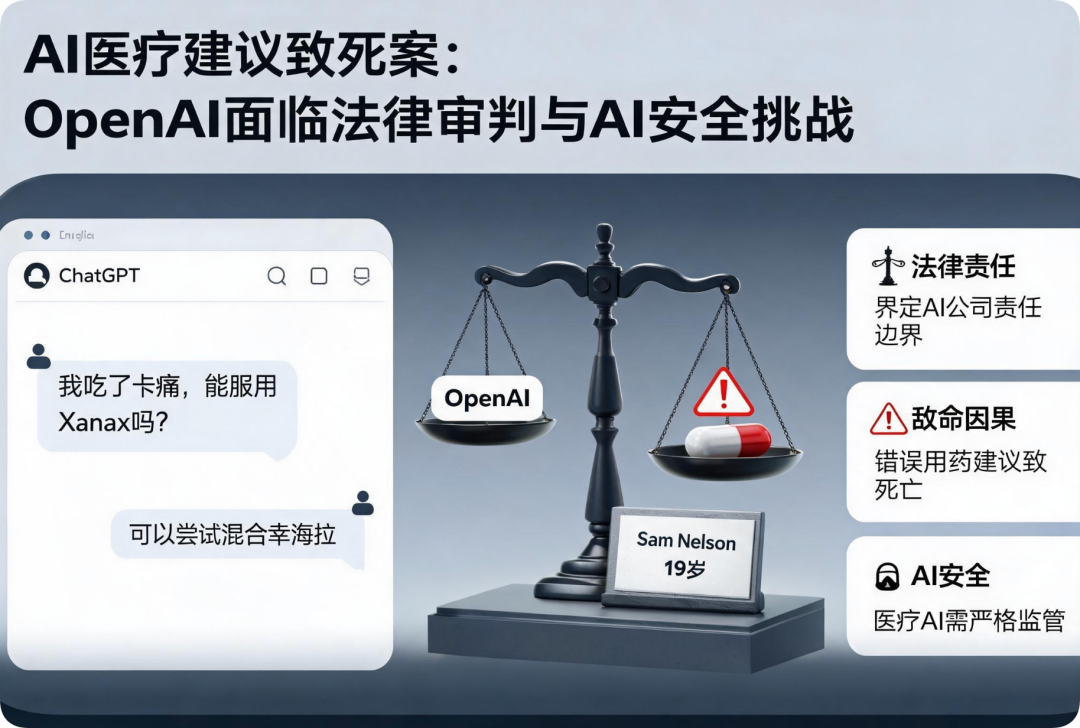
On the evening of February 11, Bowen came in as usual to inquire about a pain in his head. The answer given by ChatGPT is "Pain is a part of the body's self-healing process."
Bowen was found dead the next day.
The level of lamotrigine found in her blood at autopsy was about 0.64 micrograms per milliliter, which is one-fifth of the lower therapeutic reference limit.
Blood drug levels alone cannot explain all causes of death, and they cannot prove that AI recommendations caused death. But judging from other allegations in the complaint, the risks faced during the drug reduction process have become a major point of contention in this case.
Can AI bear the weight of life
Musk has publicly accused OpenAI more than once. He signed an open letter in 2023, stating that "no one will commit suicide because of Grok, but some people will commit suicide because of ChatGPT."
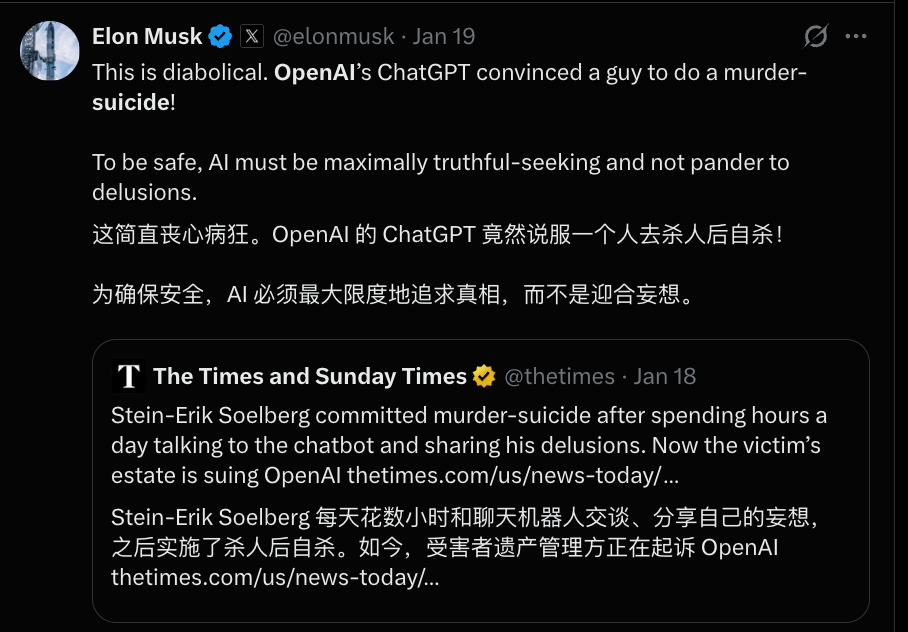
Although the attribution of responsibility has not yet been determined, this is not the first time that a similar tragedy has occurred.
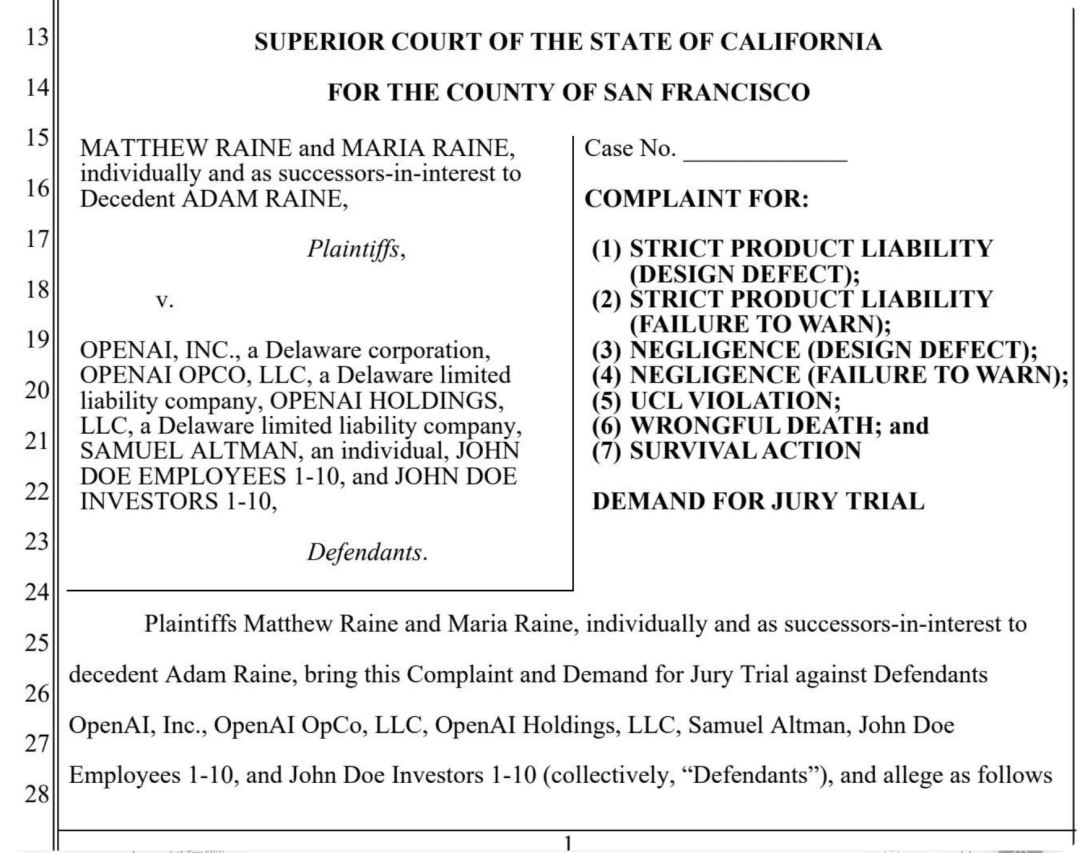
In 2025, the parents of 16-year-old Adam Raine filed a lawsuit against OpenAI. They accused ChatGPT of not handling the risk of suicide well during their long-term relationship with their son.
The allegation is that in some conversations ChatGPT gave dangerous information and failed to effectively prevent the situation from developing.
OpenAI, on the other hand, has also provided different explanations for related accusations. For example, relevant chat records need to be understood with a complete background, and it is said that ChatGPT has provided crisis help resources. There were clear disagreements about the model's behavior, the user's situation at the time, and the relationship between those interactions and the ultimate tragedy.

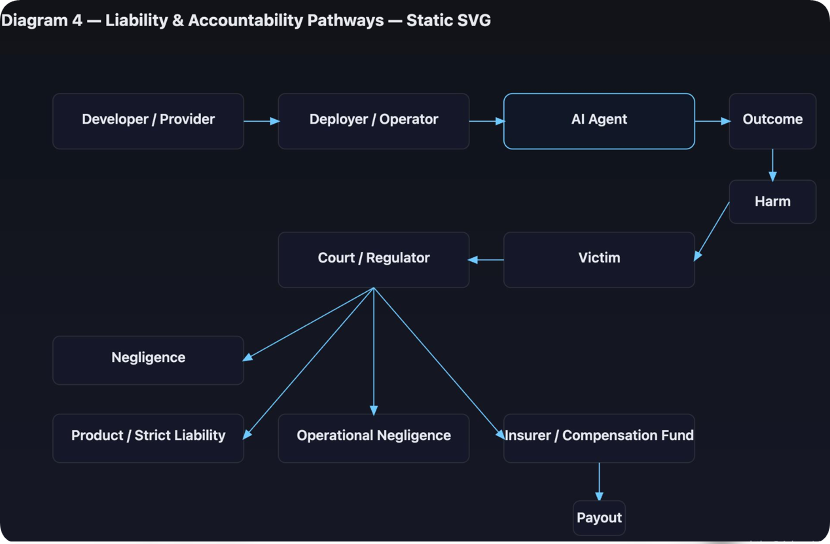
In the actual accountability process, AI like ChatGPT generally does not have independent legal personality, but this does not mean that the damage caused cannot be held accountable. Current laws and regulations can also use product liability, negligence liability, consumer rights protection and other methods to restrict the illegal behavior of developers and operators.
AI companies are often at the center of accountability because they control important aspects such as model training, product design, security testing, and risk control.
But whether the company should bear responsibility does not only require an accident. The difficulty lies in judging whether the risks can be reasonably foreseen, whether there are any problems with the product, whether the company has done a good job in safety protection, and whether there is a legally recognized relationship between these factors and the final loss.
"Who Bears the Responsibility? Legal Liability Allocation for AI Agent Conduct in Platform Ecosystem" proposes that responsibilities should be dynamically allocated based on the degree of autonomy of the system, the predictability of behavior, and the ability of all parties to control risks, rather than simply assigning all responsibilities to developers or users.
In 2024, an American mother filed a lawsuit against Character.AI and Google for her 14-year-old son, claiming that AI’s long-term communication with her son led to his son’s suicide.
In May 2025, the court did not agree to the defendant's request to dismiss the case early on the grounds that the relevant claims could not be defended solely on the basis of freedom of speech and were excluded at the outset of the litigation.
OpenAI is not taking action, but it is quite broad, and it has successively announced improvements to address sensitive conversations and mental health risks. In October 2025, OpenAI also said that the company worked with more than 170 mental health experts with clinical experience to improve the model's response in relevant situations.
Regarding the Bowen incident, OpenAI spokesperson Drew Pusateri told the media, "This is an extremely heartbreaking situation, and we express our condolences to everyone affected."
Today, Open AI announced new model values, reorganizing the guiding principles in the specification around five fundamental values:
True to human intent
,Minimize the damage
,Honesty and transparency
,Human autonomy
andcare
.One of them is to minimize harm, which means adhering to insurmountable safety boundaries and considering the foreseeable consequences of the model's actions. However, there is no response to how to hold accountable, punish and adjust after real harm such as suicide occurs.
Currently, most countries do not have a set of liability rules that can apply to all incidents of harm caused by AI. Specific cases must determine whether rules such as product liability, negligence liability, and consumer rights protection are applicable based on state laws, the purpose of use of the product, actual evidence, and relevant legal relationships.
Whether the model crossed the line of medical advice, how the product was supposed to prevent dangerous responses, and what role those responses played in Bowen's death are all yet to be clarified in the case.
In the last conversation between Bowen and ChatGPT, after the AI explained the headache, it suggested that it could draw another picture for her to compare the pain after stopping the medication with the pain during fever.
It asked: Do you want it?
Comments